

For pet owners and people with allergies, managing pet hair and airborne allergens can be a daily challenge. Hair, dander, pollen, and dust can quickly build indoors, making your home feel uncomfortable and more difficult to keep clean.
In this guide, we'll explain how pet hair and allergens affect your home, offer practical cleaning strategies, and share ways to improve indoor air quality for a cleaner, fresher living space.
Understanding Allergens
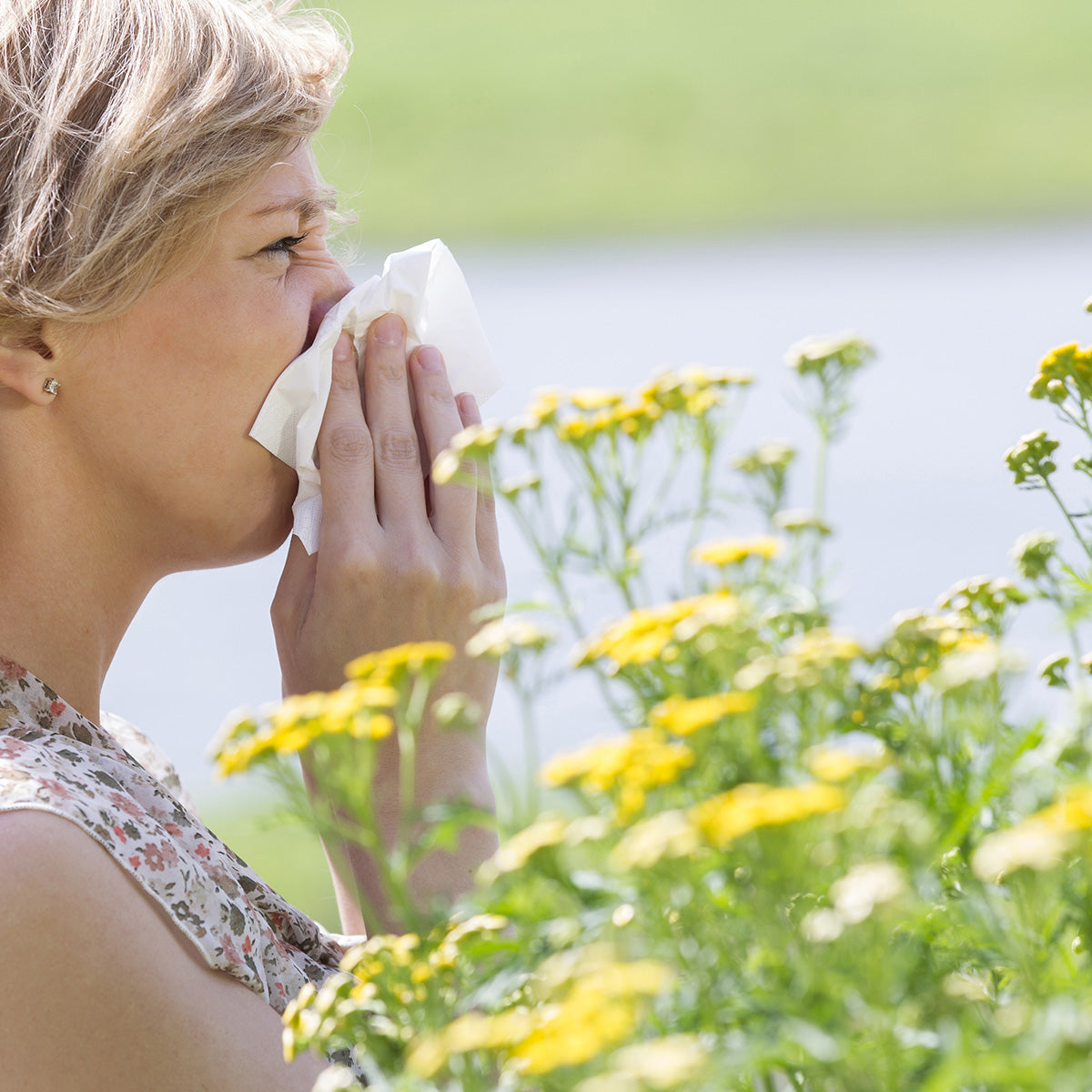
According to the Journal of Clinical Medicine, airborne allergens are categorized into indoor and outdoor variants. Indoor allergens include dust mites, pet dander, fungal spores, and pests. Outdoor allergens primarily include pollen and fungal spores.
These allergens can remain suspended in the air, enter the respiratory system, and trigger allergic reactions.
How Pet Hair Affects Allergies
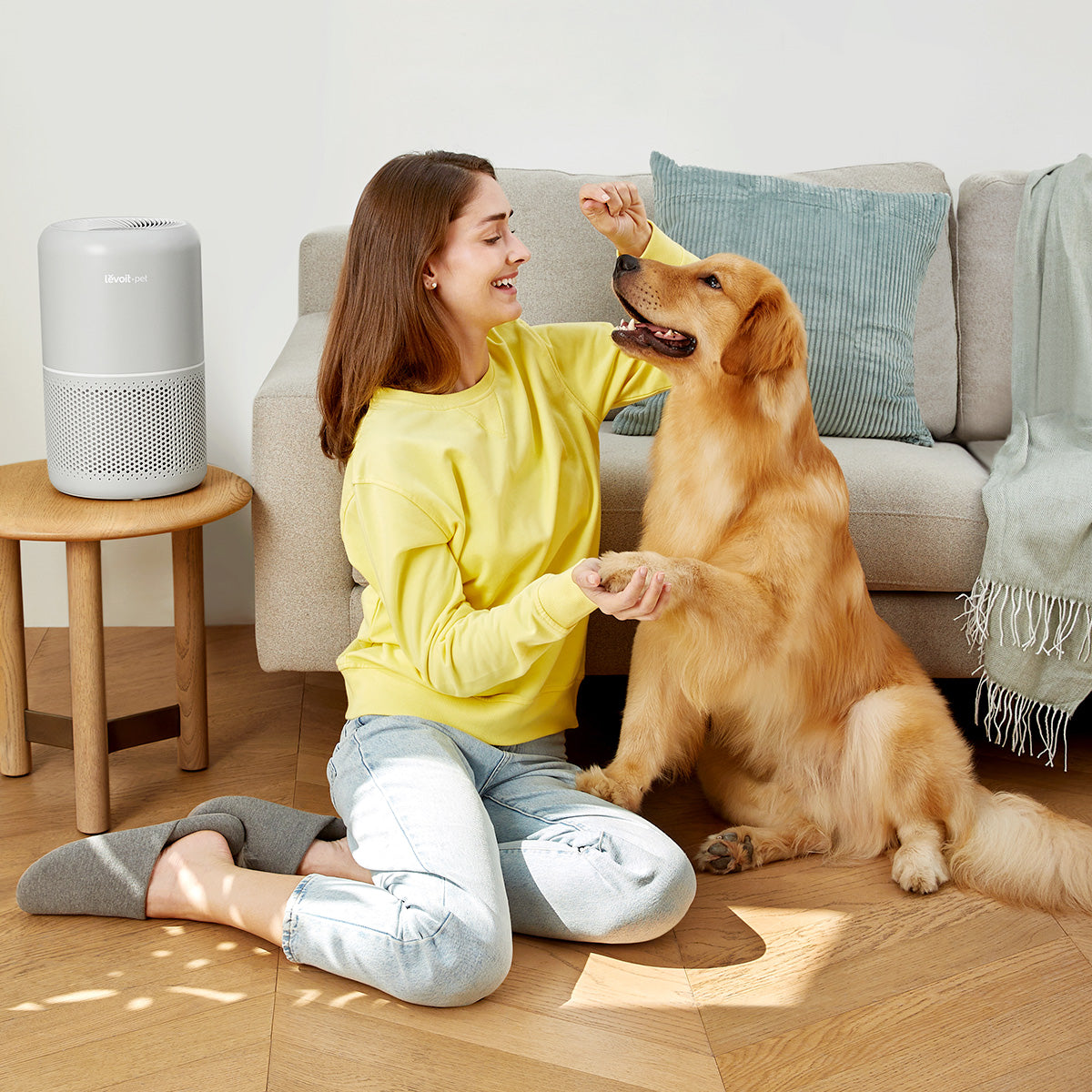
There’s a common misconception that pet allergies are caused by animal hair itself. According to the American Academy of Allergy, Asthma & Immunology, allergies are triggered by proteins found in pet dander, such as skin flakes, saliva, and urine.
Pet hair still plays a role in carrying and spreading allergens, allowing dander and pollen to accumulate on floors, furniture, and fabric.
7 Cleaning Strategies to Reduce Pet Hair and Allergens
With the right habits and tools, you can significantly reduce pet hair and allergens in your home.
Here are 7 cleaning strategies you can follow right away:
1. Use a Strong Suction Vacuum for Pet Hair
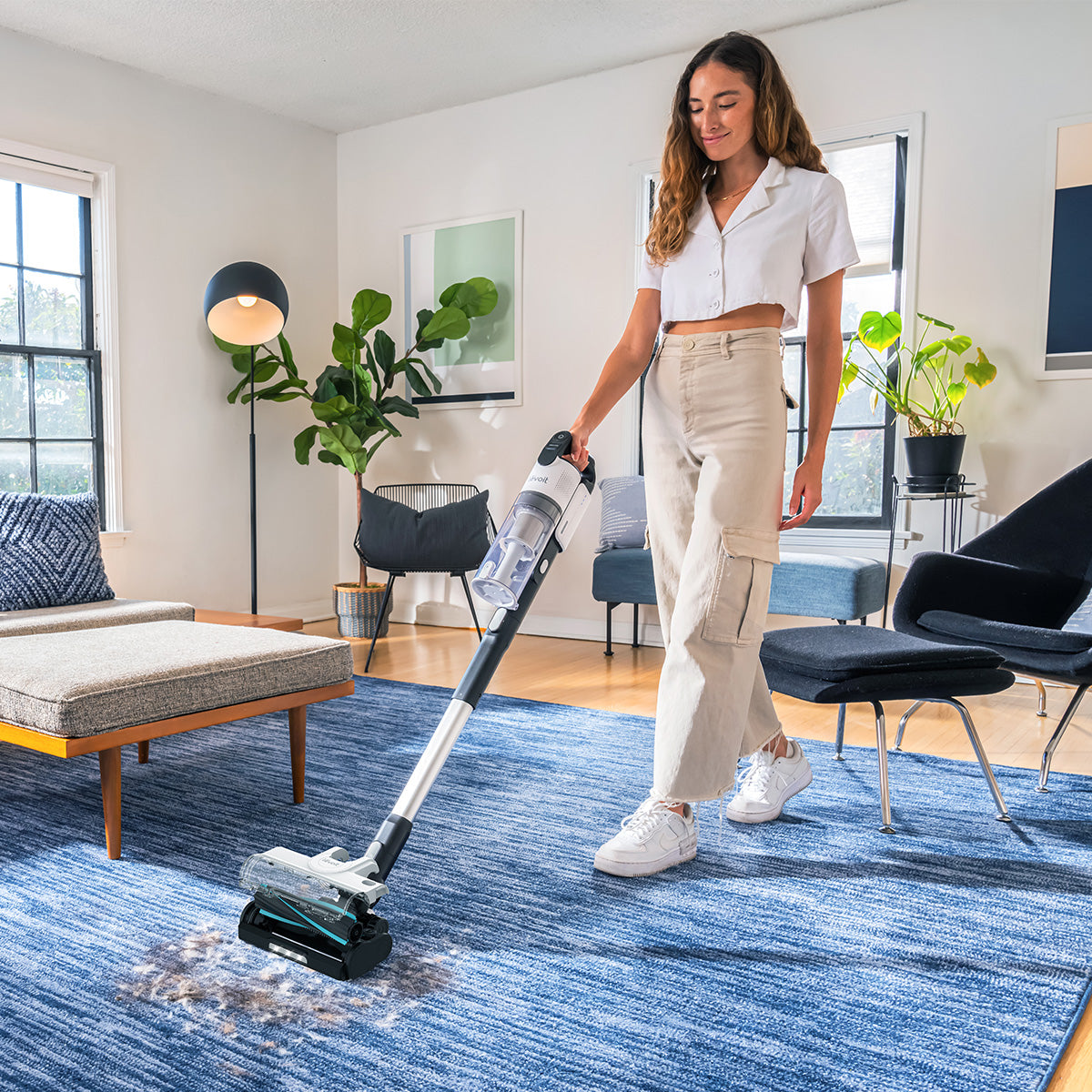
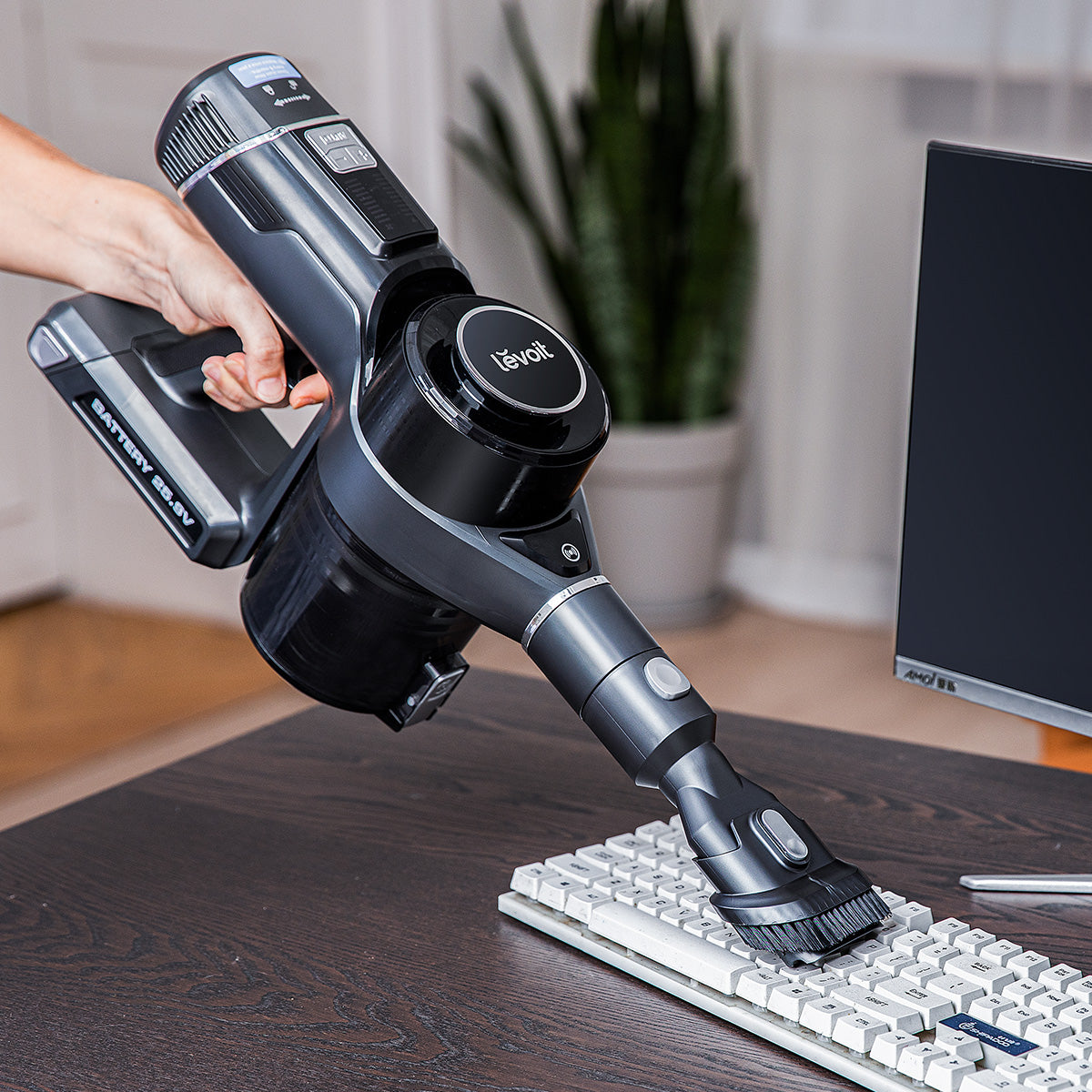
Vacuuming is one of the most effective ways to tackle pet hair and allergens. Vacuums equipped with a HEPA filter can capture fine particles such as pet dander, dust, and pollen instead of sending these particles back into the air.
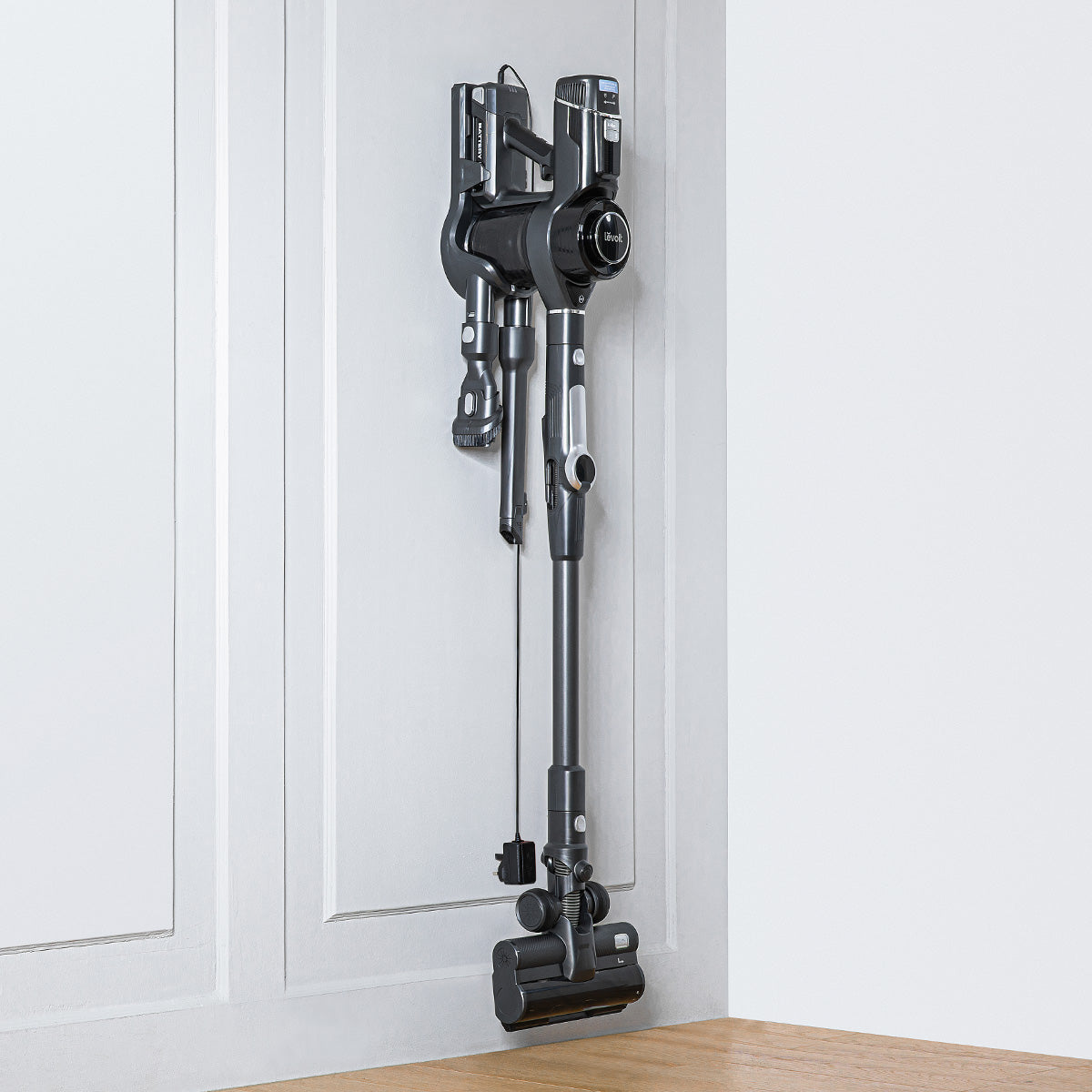
Using models designed for pet hair, such as those with anti-tangle brushes and a HEPA filter like the Levoit LVAC-300, can make cleaning fast and effective.
Tip: Vacuum carpets, rugs, upholstered furniture, and pet sleeping areas regularly to prevent buildup.

2. Use an Air Purifier for Airborne Allergens
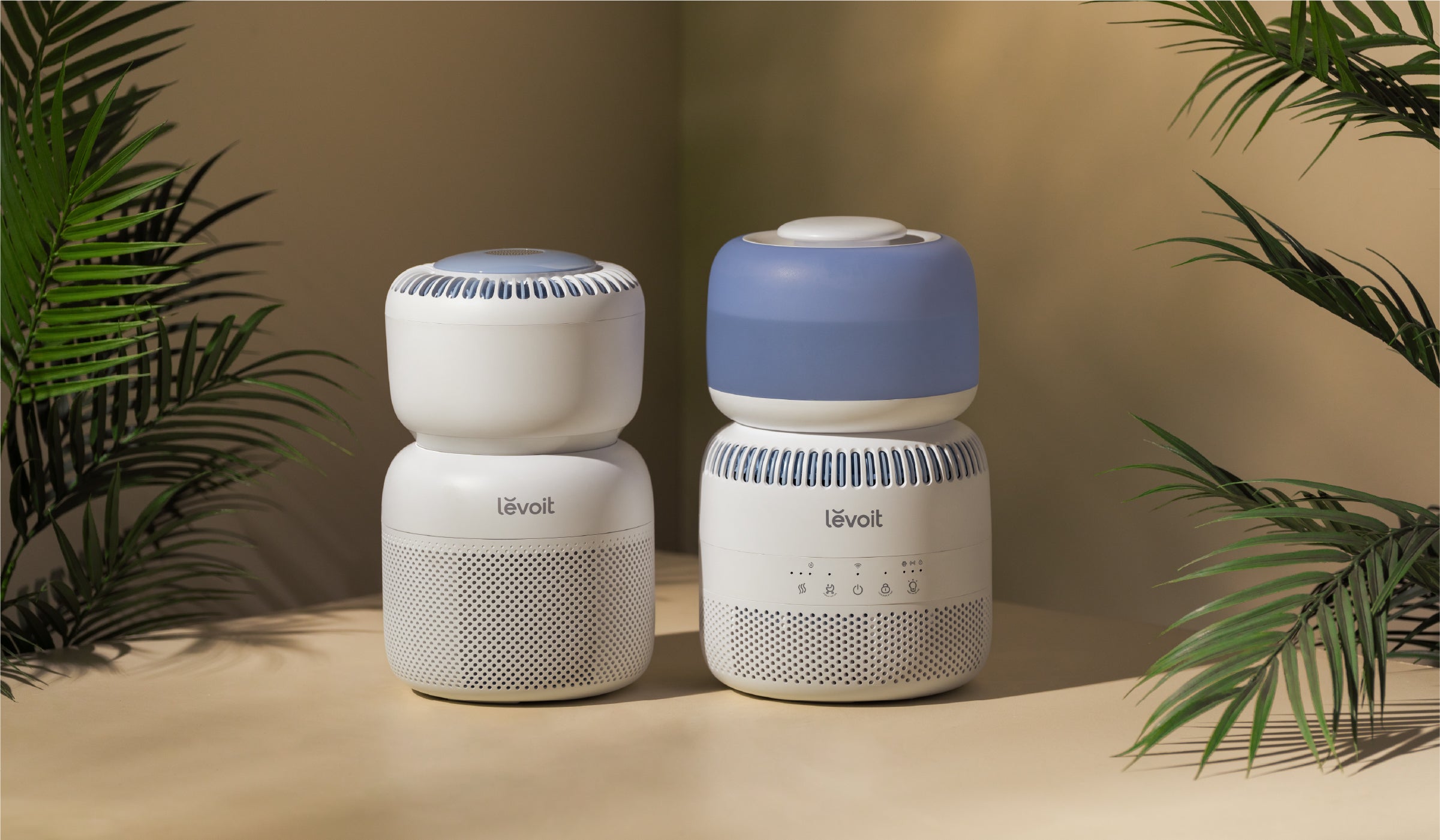
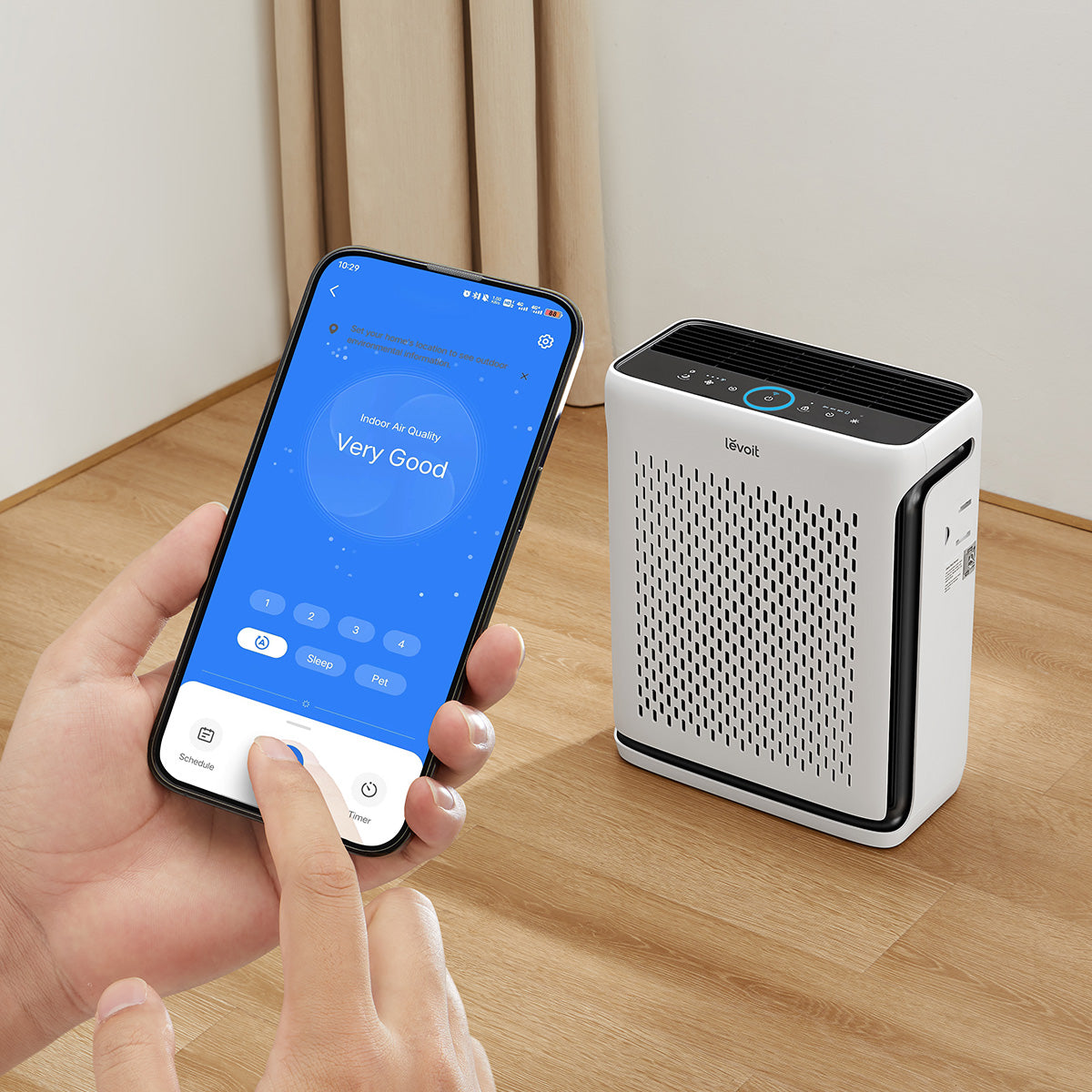
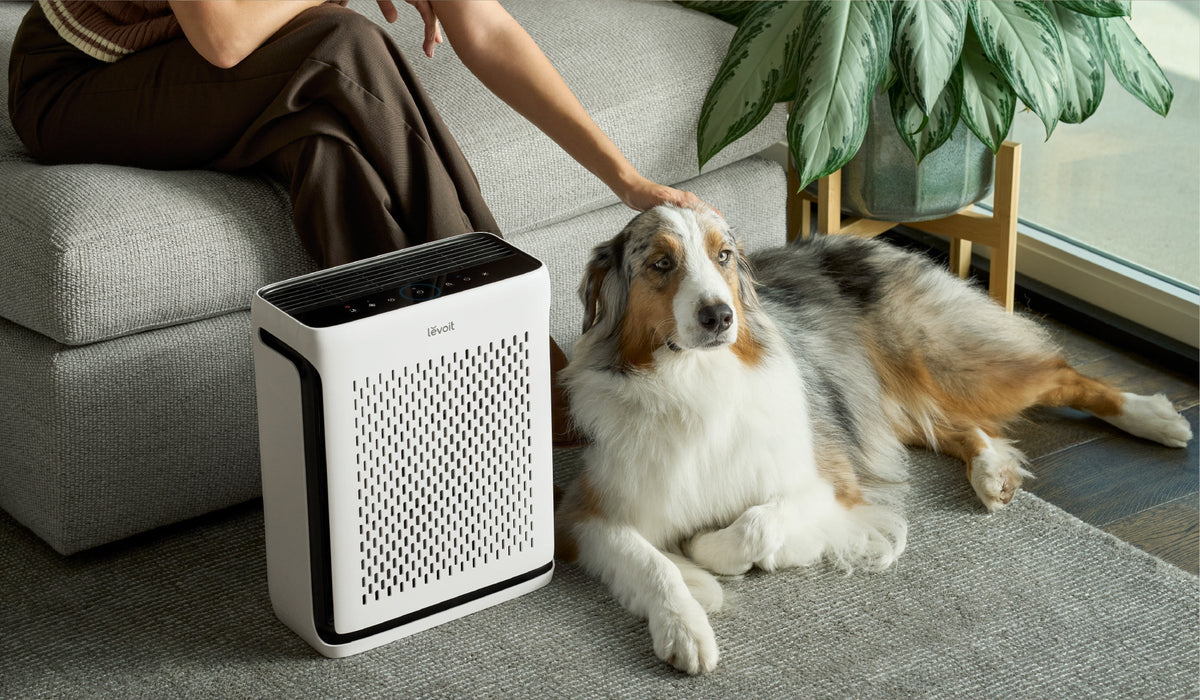
Air purifiers, such as the Levoit Vital Pet Pro , can help remove up to 99.97% of airborne particles like pet dander, pollen, and dust before they settle on surfaces.
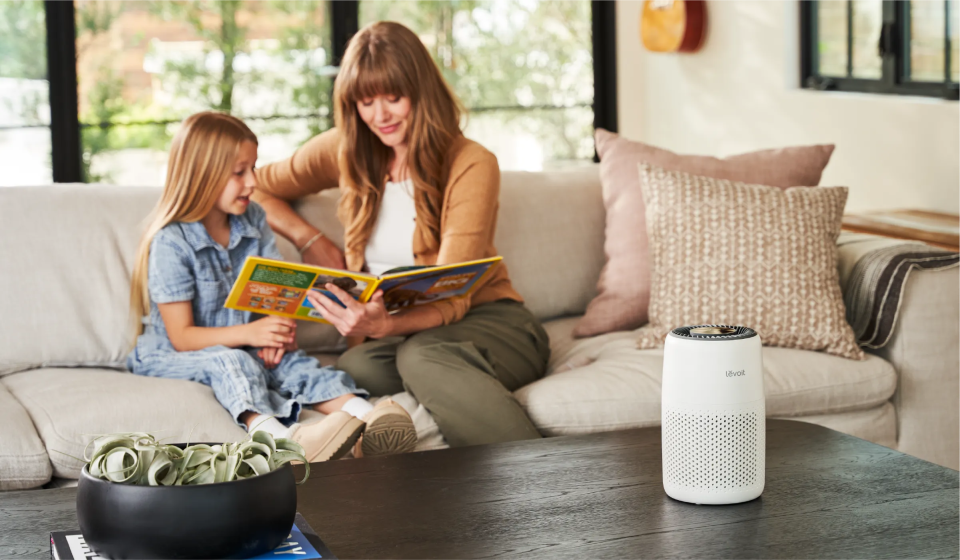
Placing an air purifier in bedrooms or communal areas can significantly improve air quality and may help reduce symptoms such as sneezing and congestion.
Tip: Place air purifiers near areas where pets spend the most time to capture allergens at the source.
3. Clean Surfaces with a Damp Cloth
Dry dusting can stir allergens back into the air. Using a slightly damp cloth traps dust and pet dander more effectively.
Be sure to clean overlooked areas such as baseboards, shelves, and under furniture as well. Pet bedding, toys, and feeding areas should also be wiped down regularly.
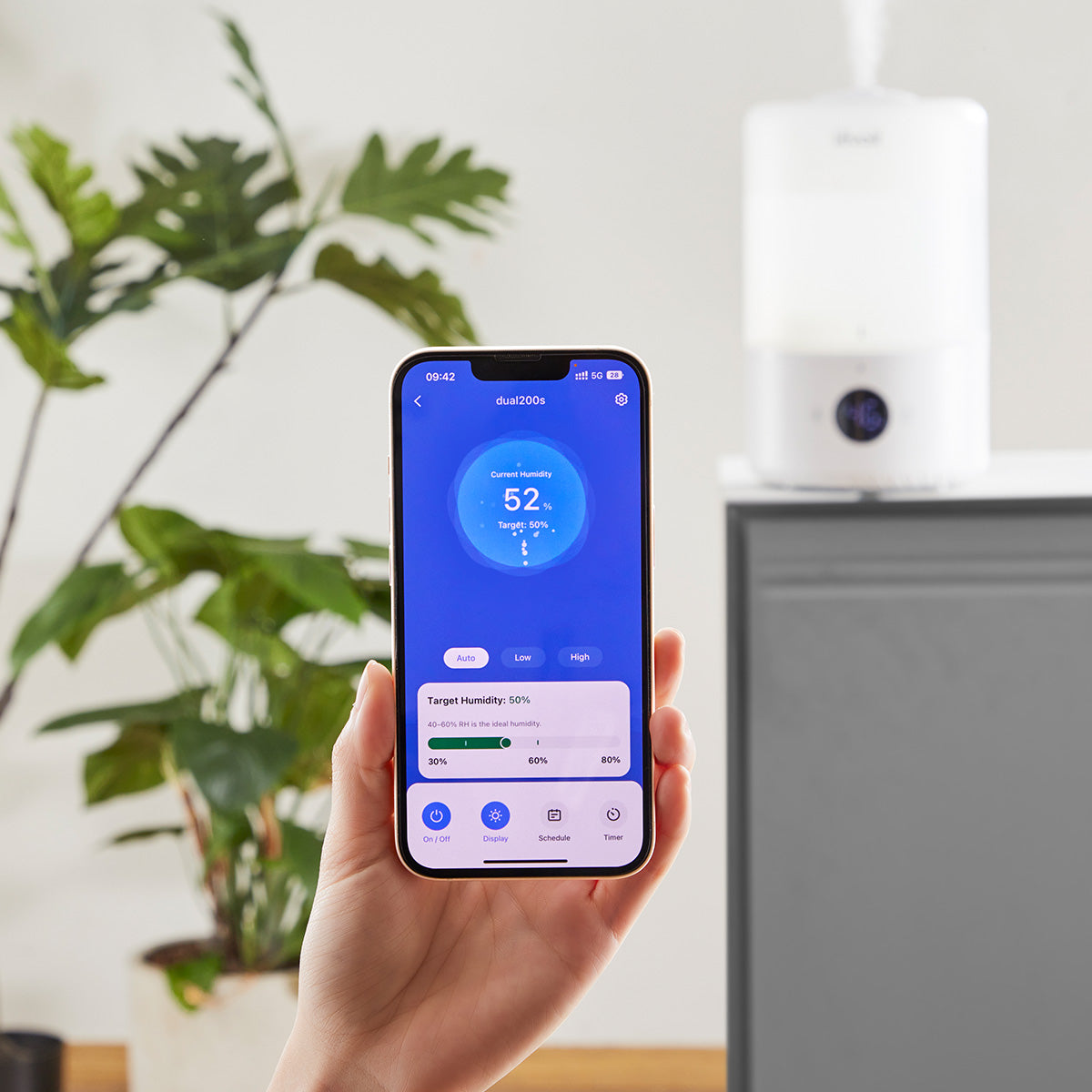
4. Maintain Optimal Indoor Humidity
Very dry air can worsen allergy symptoms by irritating nasal passages, while excessive humidity can enable dust mite growth.
Tip: Aim for humidity levels between 30–50%. Humidifiers or dehumidifiers can help maintain this balance, depending on your climate.

5. Support Your Pet’s Health
A balanced diet can help reduce excessive shedding and dry skin in pets, which may help lower allergen levels at the source. Consult a veterinarian for dietary recommendations tailored to your pet’s needs.
6. Clean Pet Supplies Regularly
Wash pet bedding, toys, and blankets frequently to prevent allergen buildup.
Tip: Use fragrance-free, mild detergent and wash items in hot water to remove dander and dust mites.
7. Keep Your Home Well-Ventilated
Ventilation helps dilute indoor pollutants and allergens. While opening windows isn’t always practical, especially in cold weather, using kitchen and bathroom exhaust fans can help improve air circulation.
Tip: If natural ventilation is limited, air exchange or ventilation systems can help bring fresh air indoors while expelling stale air.
Enjoy a Fresher, Cleaner Home
Creating a cleaner, more comfortable home doesn’t require drastic changes. Consistent cleaning, proper ventilation, and the right tools can significantly reduce pet hair, dander, and dust.
By combining regular vacuuming, air purification, surface cleaning, and humidity control, you can create a more comfortable living environment for you and your pets.
Sources:
Multidisciplinary Digital Publishing Institute. "Dissecting Airborne Allergens"
American Academy of Allergy Asthma & Immunology. "The Truth About Pet Allergies"
The information provided here is for informational and educational purposes only and should not be used in medical emergencies or for diagnosing or treating any medical condition. It's crucial to consult a licensed medical professional for diagnosis and treatment. External links are for informational purposes and do not constitute endorsements. No warranty of any kind, either expressed or implied, is made as to the products and/or the accuracy, reliability, timeliness, or correctness of the information provided herein.