



Indoor air quality plays a major role in how comfortable our homes feel. A once common, but often misunderstood group of indoor pollutants, are volatile organic compounds (VOCs). This guide explains what VOCs are, where they come from, and how air purifiers can reduce their presence in your home.
What Are VOCs & Where Do They Come From?
Volatile organic compounds are a group of chemicals that evaporate into the air at room temperature. Because they have high vapor pressure and low water solubility, VOCs are released as gases from many everyday solids and liquids, often without being visible or immediately noticeable.
Common Household Sources of VOCs
VOCs are present in many products commonly found in homes, including:
- Paints, furniture, and flooring: Fresh paint, varnishes, adhesives, engineered wood products, and new furniture can release VOCs as they cure or age, sometimes for weeks or months at a time.
- Cleaning products and fragrances: Many cleaning sprays, disinfectants, air fresheners, candles, and scented products contain organic solvents that emit VOCs during use and storage.
- Cooking activities and home renovations: Cooking fumes, gas combustion, and renovation activities such as sanding, painting, or installing new home furnishings can significantly increase indoor VOC levels.
Other contributors include office equipment like printers and copiers, hobby and craft supplies, permanent markers, and even some cosmetics.

Why Are Indoor VOC Levels Higher Than Outdoors?
VOC levels are often higher indoors than outdoors due to tightly sealed modern homes, frequent use of VOC-emitting products, and reduced ventilation.
According to the U.S. Environmental Protection Agency, VOC concentrations indoors are typically 2–5 times higher than outdoors and can be up to 10 times higher in some cases.
Can Air Purifiers Actually Remove VOCs?
Some air purifiers can remove VOCs, while others cannot. It depends on how the purifier is designed and the type of filtration it uses.
Most standard air purifiers are built to capture particulate pollutants such as dust, pollen, and smoke. These pollutants are solid and can be physically trapped by mechanical filters. However, VOCs are gaseous pollutants, which means they cannot be removed by particle filtration alone.
To address VOCs, an air purifier must include dedicated gas filtration, typically in the form of activated carbon. Some manufacturers clearly indicate this capability in specific models.
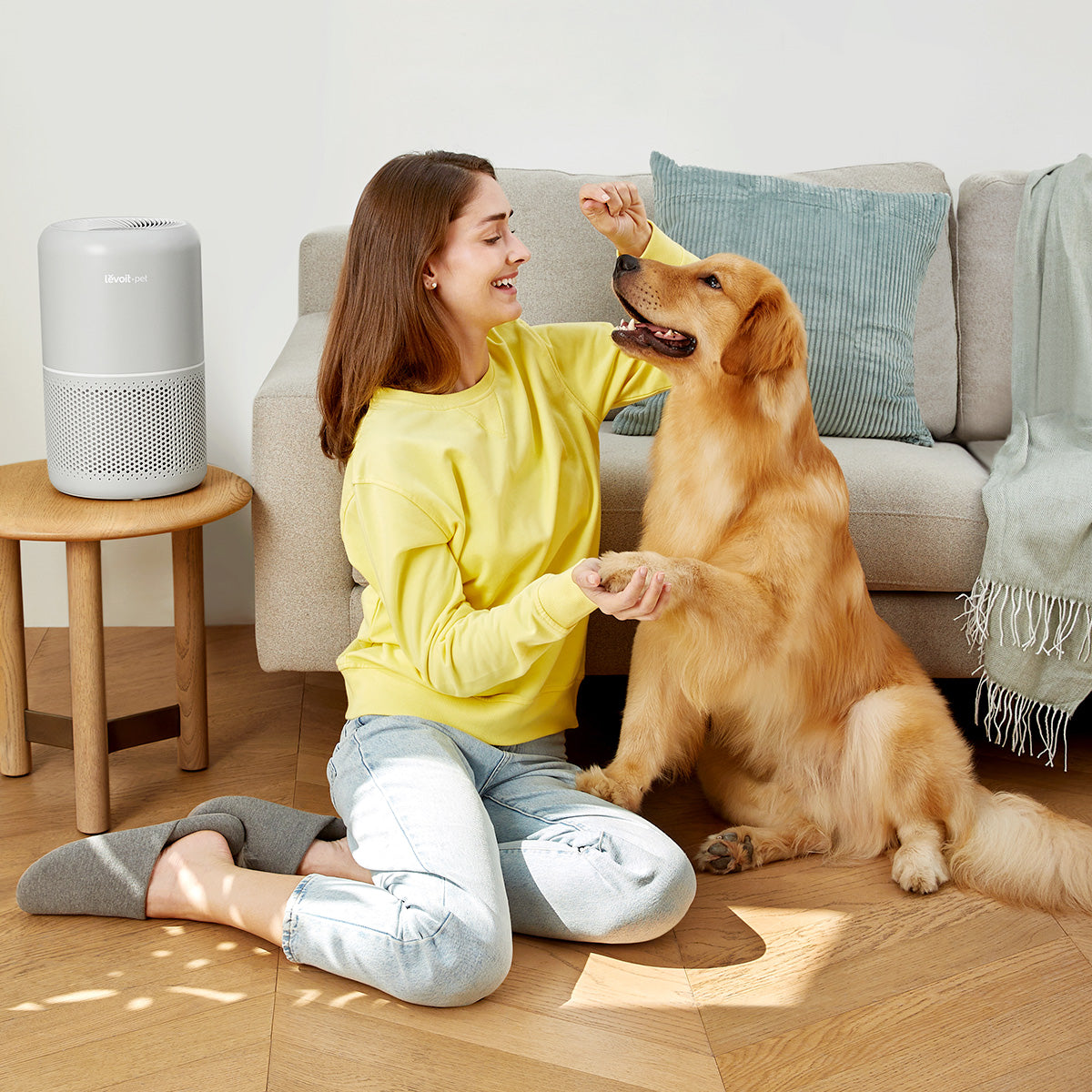
For example, products like the Levoit Sprout Air Purifier are designed with activated carbon filtration to help reduce chemical odors and gaseous pollutants, making them more suitable for those concerned about VOCs.
How VOC-Focused Air Purifiers Work
VOC-focused air purifiers rely on activated carbon filtration to trap gaseous pollutants as air passes through the filter in a process called adsorption, in which the molecules stick to the surface of a filtering material. Activated carbon has a highly porous structure that allows VOC molecules to bind to its surface.
The effectiveness of VOC removal depends on several factors, including:
- The amount of activated carbon
- The density and pore structure of the carbon
- The contact time between the air and the carbon surface
Simply put, more carbon and longer contact time lead to better performance. Because activated carbon can become saturated over time, regular filter replacement and proper maintenance are essential to maintaining VOC reduction.
What to Look for When Choosing an Air Purifier for VOCs
When selecting an air purifier designed to address VOCs, consider the following key factors:
Filter Type
Look for activated carbon filters. The greater the carbon quantity and finer the pore structure, the better the performance. Modified or enhanced carbon can further improve VOC removal.
CADR (Clean Air Delivery Rate)
A higher CADR indicates faster air purification. The rating is measured at the air purifier’s highest speed.

Total Carbon Weight
Total carbon weight refers to the actual amount of activated carbon contained in the air purifier’s filter, typically measured in grams or kilograms. This is a critical indicator of the purifier’s ability to adsorb VOCs, odors, and harmful gases.
Sealing & Build Quality
Good sealing prevents unfiltered air from bypassing the filtration system, improving overall effectiveness.
Additional Features
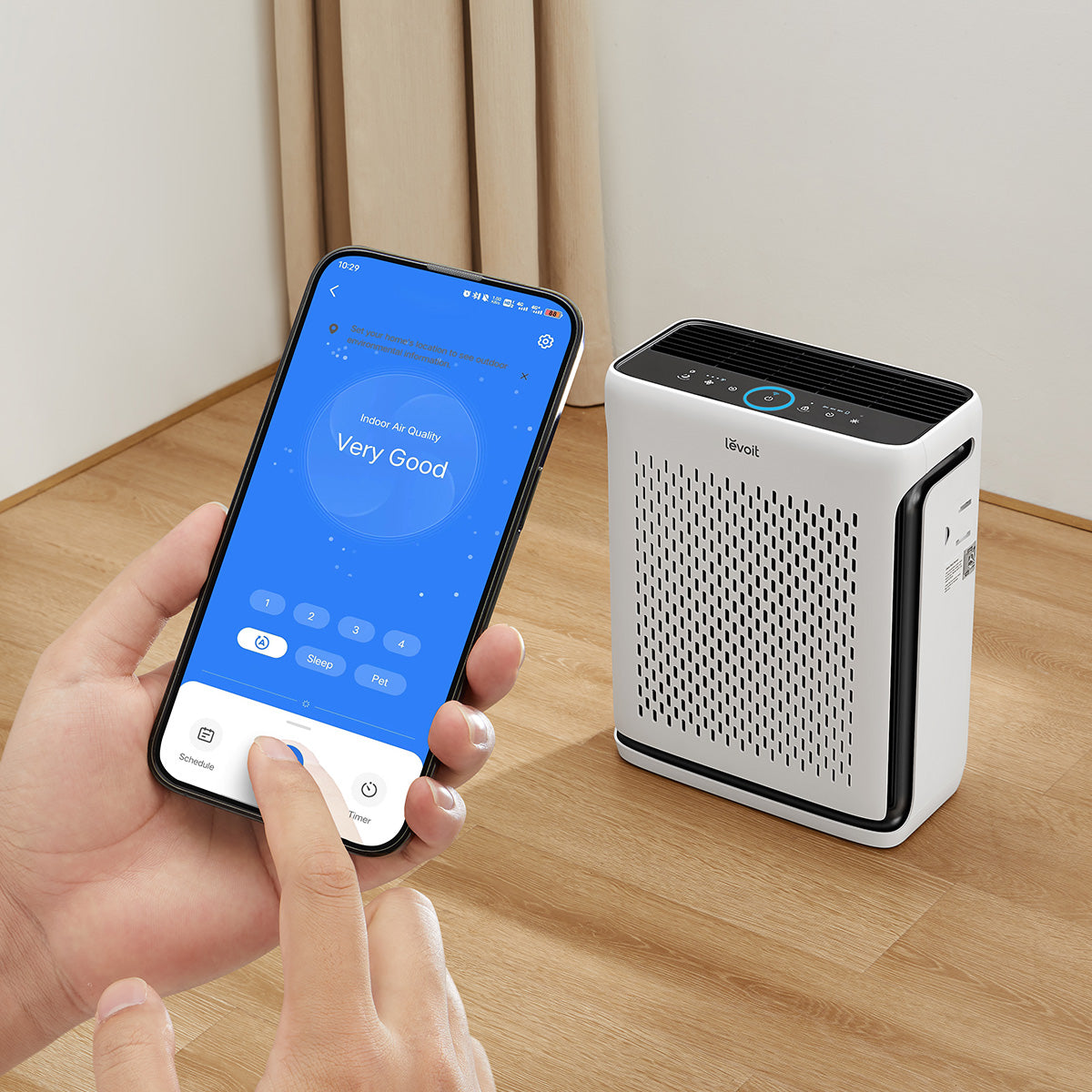
Some air purifiers include VOC sensors that monitor pollution levels in real time and adjust the device’s performance automatically.
Additional Ways to Reduce VOCs Indoors
Air purifiers work best when combined with mindful everyday habits that reduce VOC sources and improve airflow. These small changes can significantly lower the overall exposure to VOCs:
- Choose low-VOC or VOC-free paints, finishes, and household products.
- Allow new furniture, flooring, or building materials to “off gas” in a well-ventilated space before use.
- Improve ventilation by opening doors or windows to increase airflow whenever possible and when safe to do so.
- Limit the use of strong-scented or chemical-based products indoors.
- Maintain air purifiers and replace filters regularly.
Making an Informed Choice for Better Indoor Air
Not all air purifiers are designed to handle VOCs. Understanding how different filtration helps set realistic expectations and ensures you choose the right solution for your home. For the best results, combine a VOC-capable air purifier with good indoor habits such as proper ventilation and routine maintenance.
*Source:
US EPA. “What are volatile organic compounds (VOCs)?”
The information provided here is for informational and educational purposes only and should not be used in medical emergencies or for diagnosing or treating any medical condition. It's crucial to consult a licensed medical professional for diagnosis and treatment. External links are for informational purposes and do not constitute endorsements. No warranty of any kind, either expressed or implied, is made as to the products and/or the accuracy, reliability, timeliness, or correctness of the information provided herein.


