
Summary: Spring allergies affect tens of millions of people each year, triggered by pollen from trees, grass, and weeds. Symptoms range from sneezing and itchy eyes to congestion and fatigue. The good news? With the right strategies, including using an air purifier, keeping windows closed, and maintaining a clean home environment, you can significantly reduce your exposure to allergens and feel your best all season long.
Every spring, the world bursts back to life in a riot of color and warmth. Flowers bloom, trees bud, and the outdoors beckons. But for the more than 80 million Americans who experience spring allergies, the season can also bring a wave of sneezing, congestion, and itchy, watery eyes that make it hard to enjoy everything springtime has to offer.
Spring allergies aren’t just a minor inconvenience. For many people, they interfere with sleep, productivity, and daily well-being. The key to taking back your spring is understanding what triggers your symptoms and taking proactive measures to reduce your exposure to allergens. This guide can help you reclaim your spring with the right steps.
When Is Allergy Season?
Allergy season in the UK typically begins in late March or early April, when trees such as birch, oak, and ash start releasing pollen into the air. Grass pollen season usually peaks between May and July, while weed pollen can extend into late summer and early autumn.
Spring allergy season generally runs through late spring, and in some regions, it overlaps with summer grass pollen season, extending discomfort well into June or July. Weather plays a significant role too. Warm, windy, and dry days tend to push pollen counts higher, while cool, rainy days can bring temporary relief.
Common Spring Allergy Symptoms
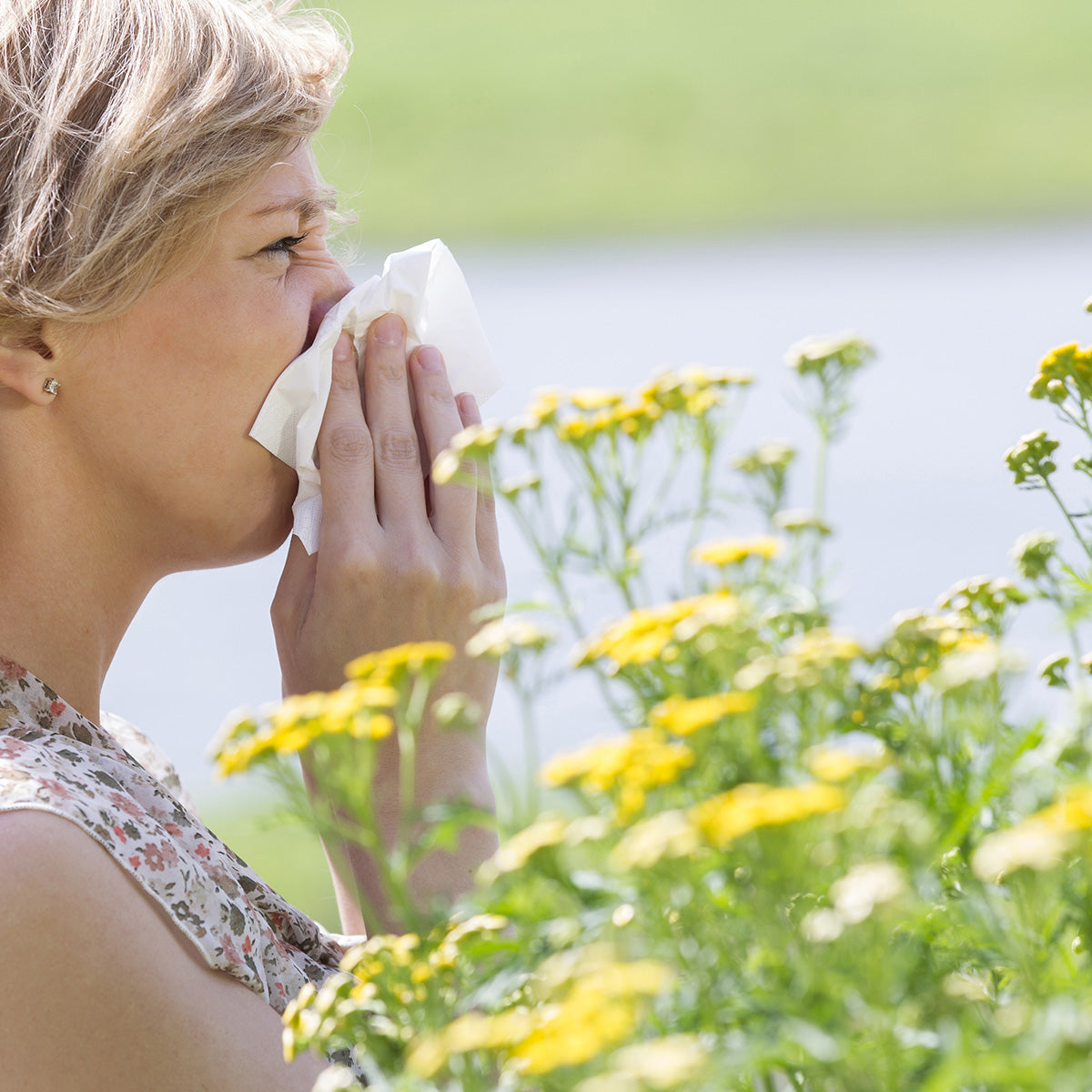
Spring allergy symptoms can range from mildly annoying to genuinely disruptive. Knowing what to look for can help you take preventive action early in the season. Common spring allergy symptoms include:
- Frequent sneezing, especially in the morning
- Runny or stuffy nose that lingers for weeks
- Itchy, red, or watery eyes (also called allergic conjunctivitis)
- Nasal congestion and pressure
- Postnasal drip leading to a sore or scratchy throat
- Dry or itchy skin
- Fatigue caused by poor sleep and the immune system working overtime
- Coughing or mild wheezing, particularly if you have asthma
If your symptoms seem to follow the same pattern each spring and ease up as the season changes, seasonal allergies are likely the cause. A healthcare provider can confirm this with a simple allergy test.
What Causes Spring Allergies
Airborne allergens spike during the warmer months, triggering most spring allergy symptoms. Tree pollen is the most common culprit in early spring, with birch, oak, cedar, elm, and maple being the top offenders.
As spring progresses into late April and May, grass pollen becomes the dominant allergen in many parts of the country. Mold spores are another seasonal allergen that tends to flourish in moist spring conditions, particularly outdoors after rain.
While outdoor allergens are the main drivers of spring allergies, indoor allergens like dust mites and pet dander can compound symptoms, making it even more important to maintain clean indoor air during allergy season.

How To Reduce Exposure to Allergens
Managing spring allergies means reducing the amount of allergen you come into contact with. Here are five practical steps you can take to protect yourself this season.
Use an Air Purifier
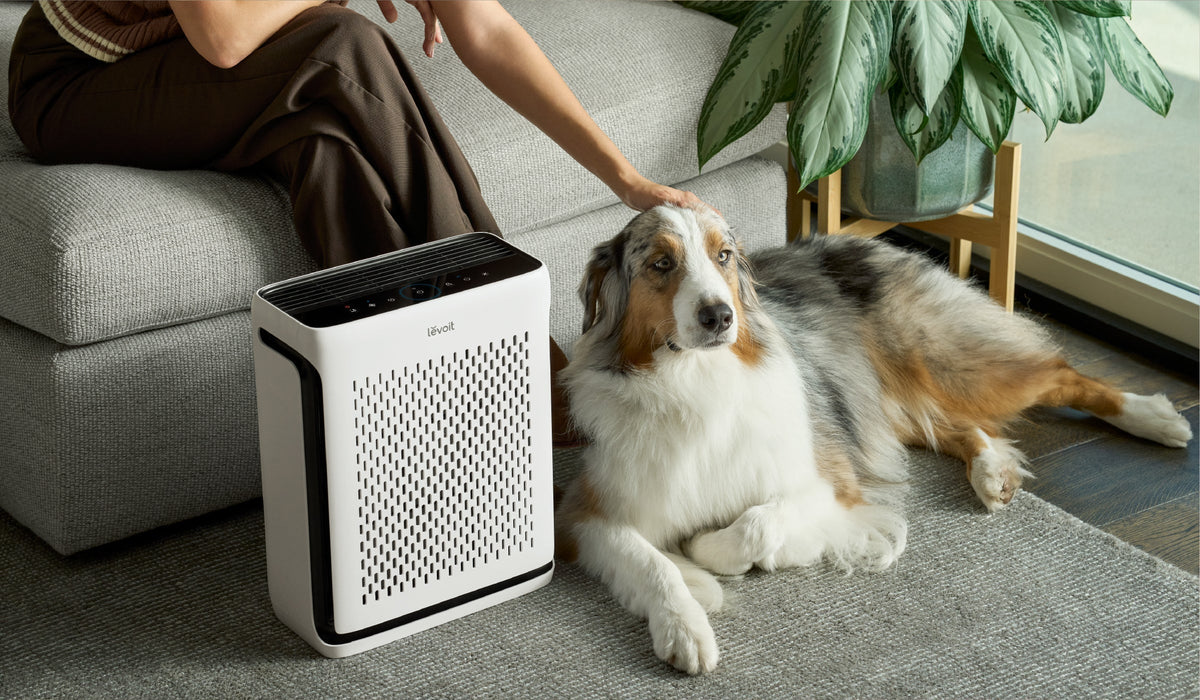
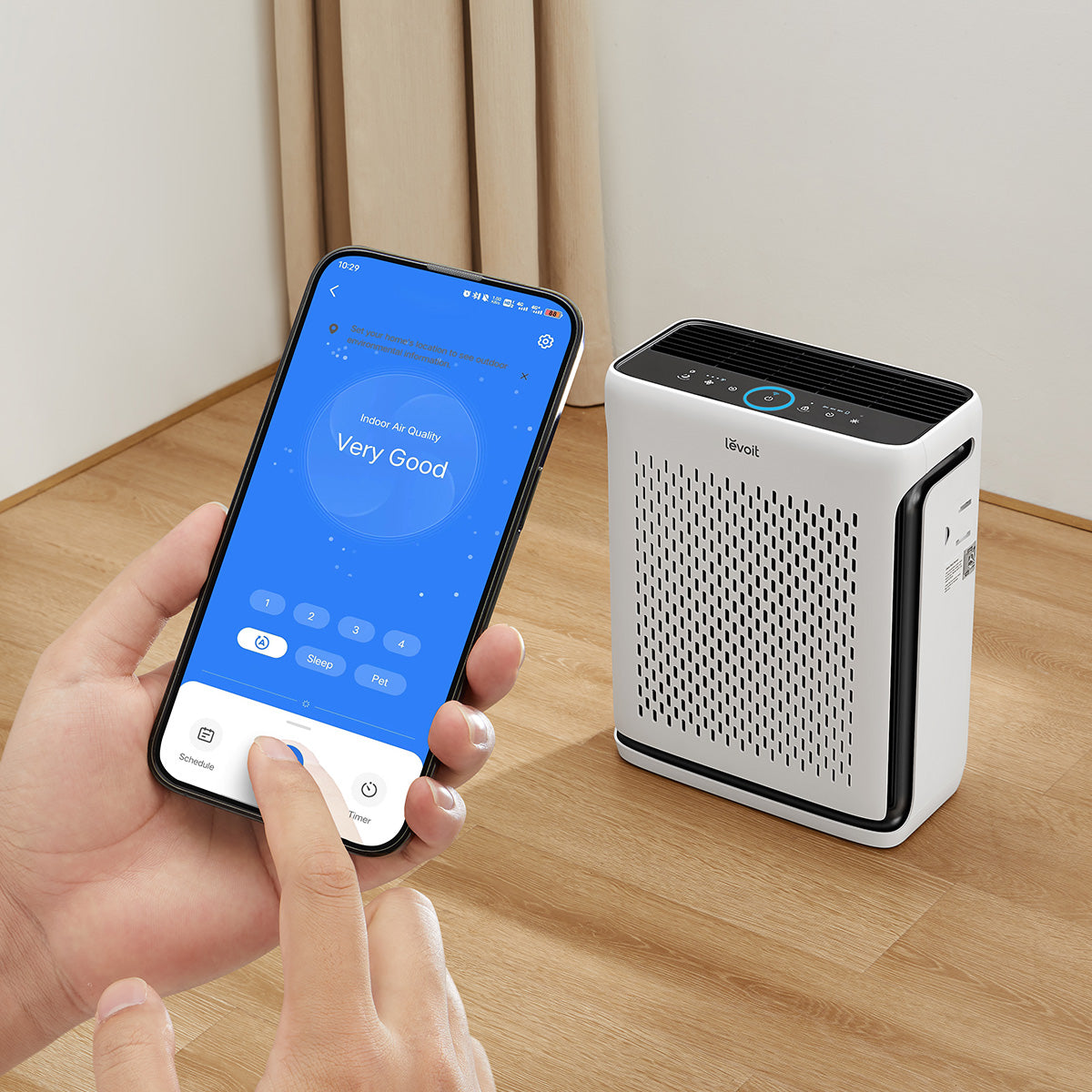
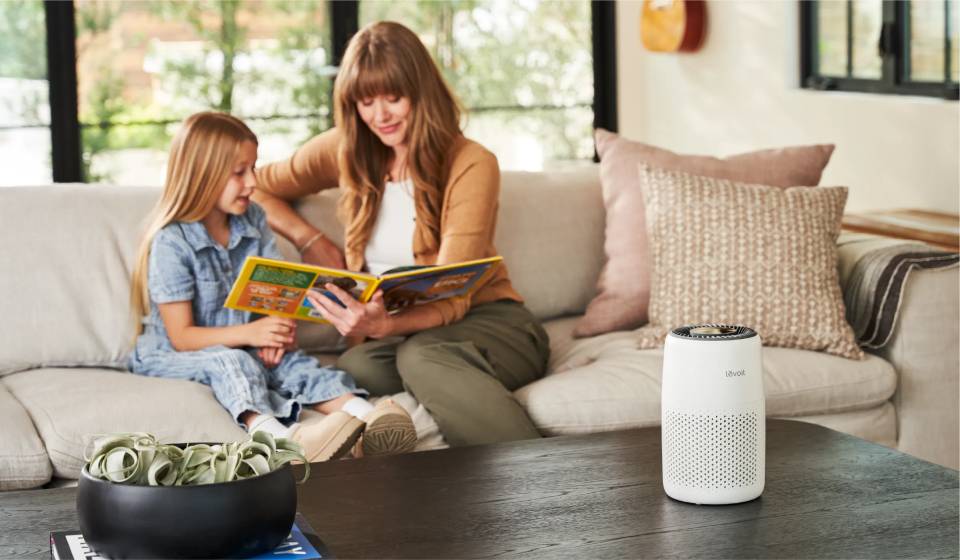
One of the most effective ways to reduce indoor allergens is by running a high-quality air purifier. Air purifiers can capture particles as small as 0.3 microns, including pollen, dust, and pet dander that drift into your home from outside.
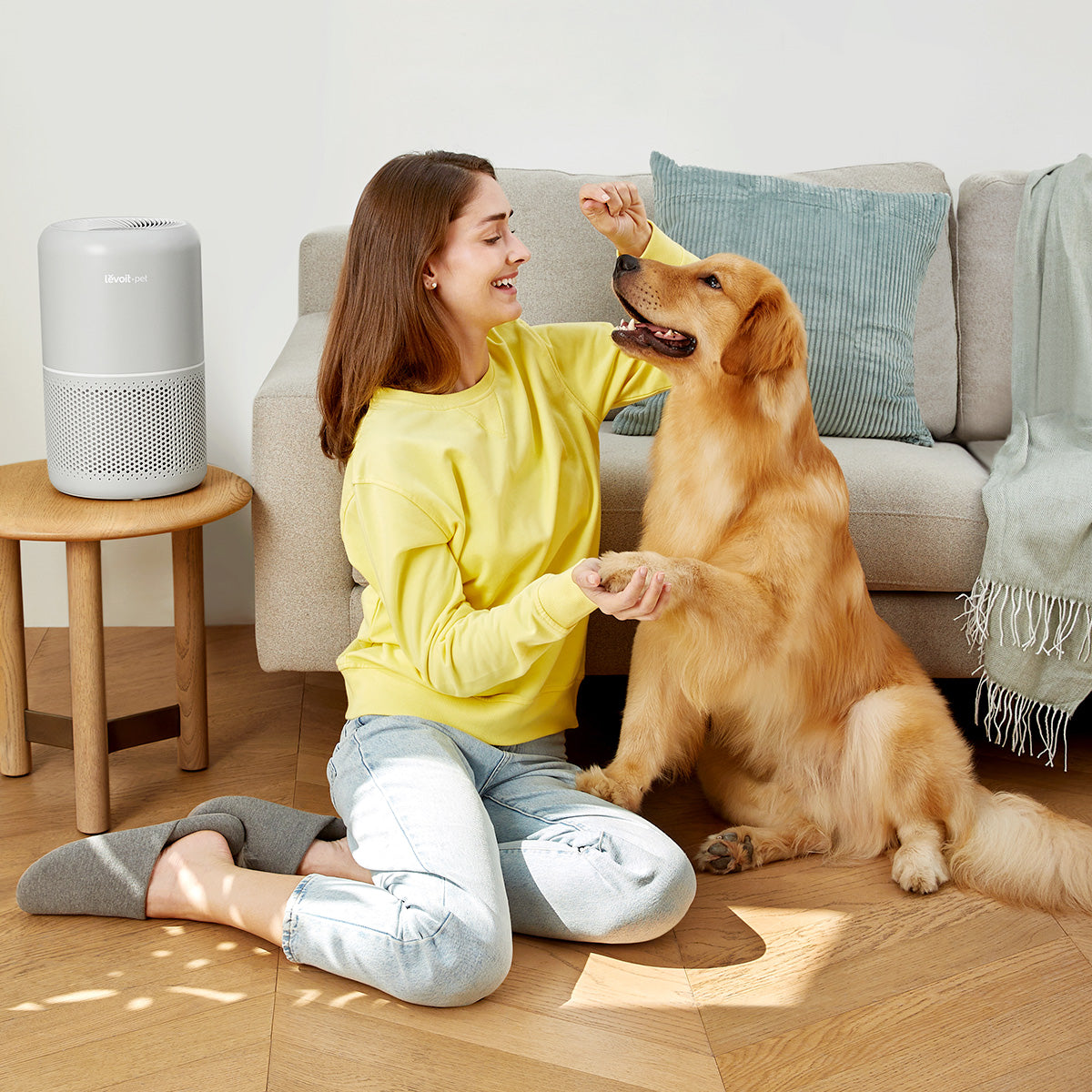
The Levoit Core 300S is a great option for bedrooms and smaller spaces. It features a 3-stage filtration system and whisper-quiet operation, so you can breathe clean air without disrupting your rest. For smaller spaces like a dorm room, home office, or nursery, the Levoit Core Mini-P offers an air filtration solution in a sleek, compact design.
Keep Windows Closed on High-Pollen Days
As inviting as a warm spring breeze feels, open windows are an easy entry point for pollen. On days when pollen counts are high, keep your windows and doors closed and rely on air conditioning to stay cool. Check your local weather app or a pollen-tracking site each morning to better prepare for sensitive conditions. Pollen counts are typically highest in the mid-morning and on dry, windy days.
Clean Regularly With a HEPA Vacuum
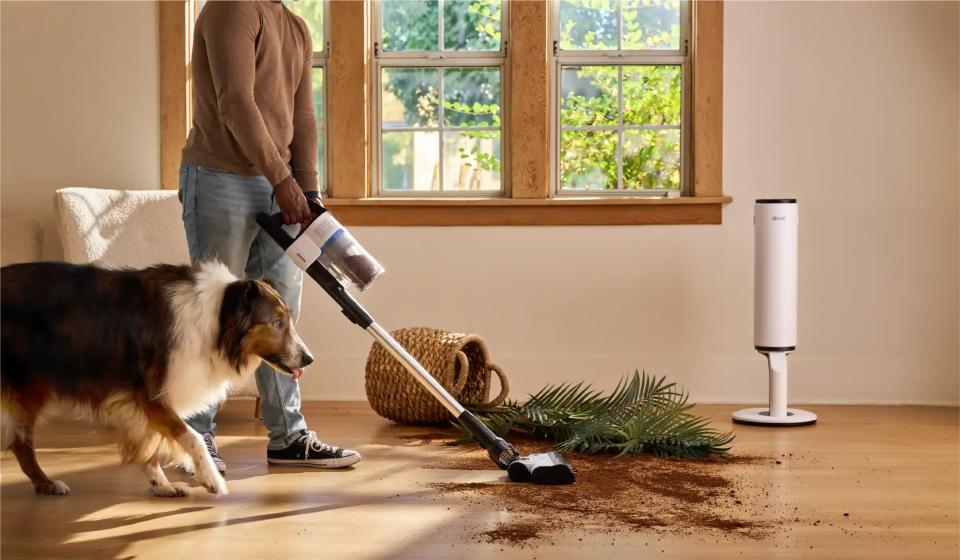
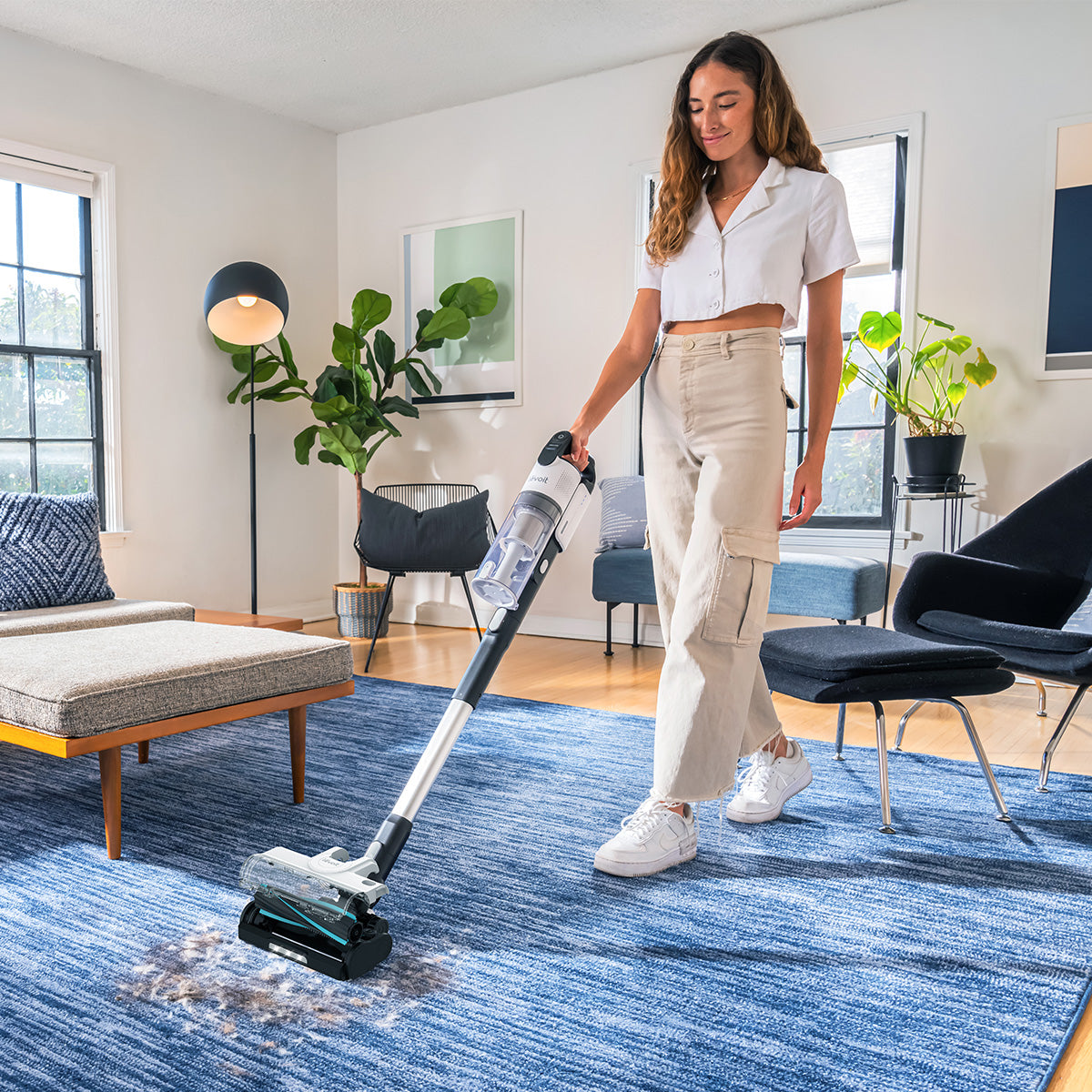
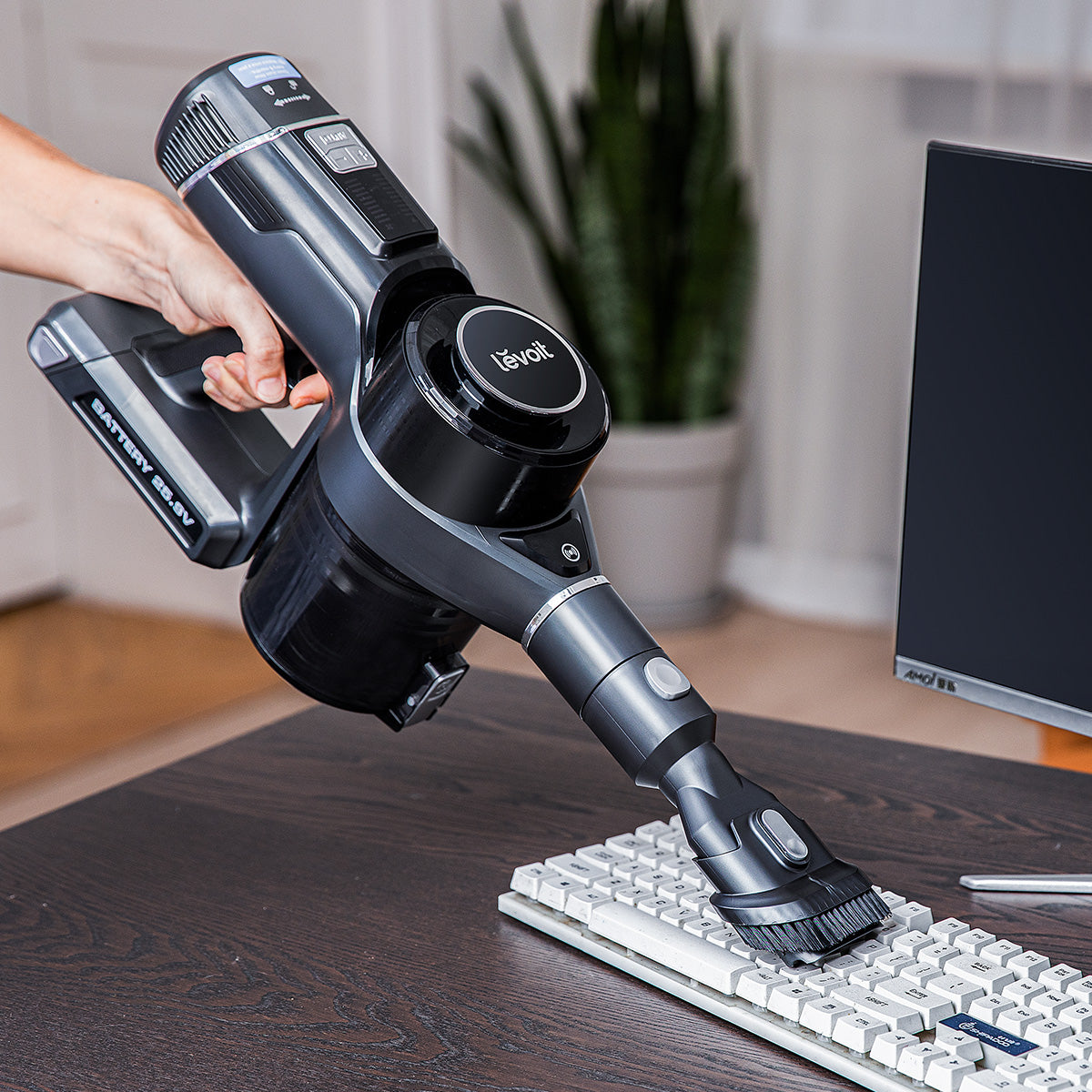
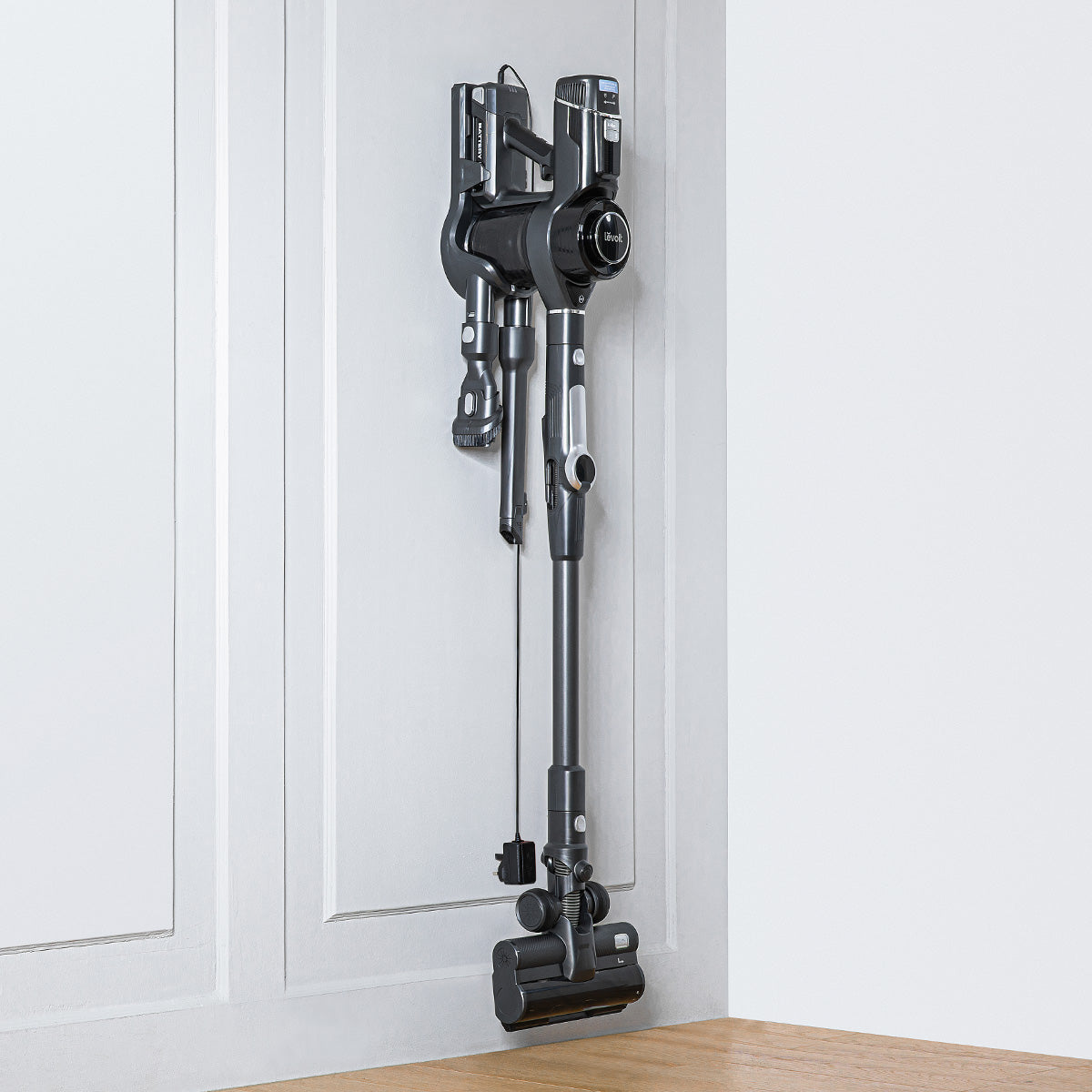
Pollen and other allergens settle on floors, carpets, furniture, and bedding throughout the day. Regular vacuuming helps keep these particles from building up in your home. For best results, choose a vacuum with a HEPA filter, like the Levoit LVAC 300, which traps allergens rather than recirculating them back into the air.
Vacuum floors and upholstery at least twice a week during peak allergy season, and wash bedding in hot water weekly to eliminate dust mites and any pollen that’s accumulated.
Wear Masks and Sunglasses Outdoors
When you do venture outside during high-pollen periods, a few simple accessories can help shield you from airborne allergens. Wearing a well-fitted mask, such as an N95 or KN95, can filter out pollen particles before you inhale them. Wraparound sunglasses provide a barrier for your eyes, helping to reduce the exposure that leads to itching and redness. These measures are especially helpful during outdoor activities like gardening, hiking, or exercising in the park.
Shower After Outdoor Activities
When you come inside after spending time outdoors, pollen clings to your hair, skin, and clothing. Make it a habit to shower and change clothes before settling in for the evening. This simple routine prevents allergens from transferring to your furniture and bedding, which can prolong your exposure long after you’ve left the outdoors behind.

Encouraging Healthy Lifestyle Changes
Managing spring allergies goes beyond avoiding pollen. Supporting your overall health can help your immune system respond more calmly to seasonal triggers.
Getting quality sleep is one of the most powerful actions you can take. When you’re well-rested, your body is better equipped to handle the demands of allergy season.
Staying hydrated helps thin mucus secretions, making congestion easier to manage. A diet rich in anti-inflammatory foods such as leafy greens, berries, and omega-3 fatty acids may also help moderate the immune response that drives allergy symptoms. Regular exercise supports immune health too, though on high-pollen days it’s wise to take your workout indoors.
If you suffer from severe spring allergies, working with an allergist can open the door to targeted treatments like immunotherapy, which trains your immune system to be less reactive to specific allergens over time. Combined with the strategies above, a personalized care plan can make a significant impact on your quality of life each spring.
Spring should be a season you look forward to, not one you dread. From creating a clean indoor environment with a Levoit air purifier to building simple outdoor habits, you can reduce your exposure to allergens and make the most of this beautiful time of year.
FAQ
When do spring allergies start?
Spring allergies typically start early in warmer regions of the U.S. in late February. In cooler northern climates, spring allergy season may not begin until April. The exact timing varies each year depending on temperature, precipitation, and local vegetation. You can check your local pollen forecasts in late winter to anticipate the start of your symptoms and prepare accordingly.
How long do spring allergies last?
For most people, spring allergy symptoms last from early spring through late May or June, though the duration depends on which allergens trigger your symptoms. Tree pollen season tends to peak in April, while grass pollen season follows from May through July in many areas. If your symptoms seem to stretch well into summer, grass pollen or mold may be contributing. In regions with mild winters and extended growing seasons, allergy season can be longer than average.
Do air purifiers help with allergens?
Yes, air purifiers can be a powerful tool for managing spring allergens indoors. Levoit air purifiers capture particles as small as 0.3 microns, which includes common allergens like pollen, dust, and pet dander. While an air purifier can’t eliminate all allergen exposure, especially from outdoor sources, it can significantly reduce the concentration of allergens indoors. For the best results, place an air purifier in your bedroom and any rooms where you relax, and run it continuously during peak allergy season.