

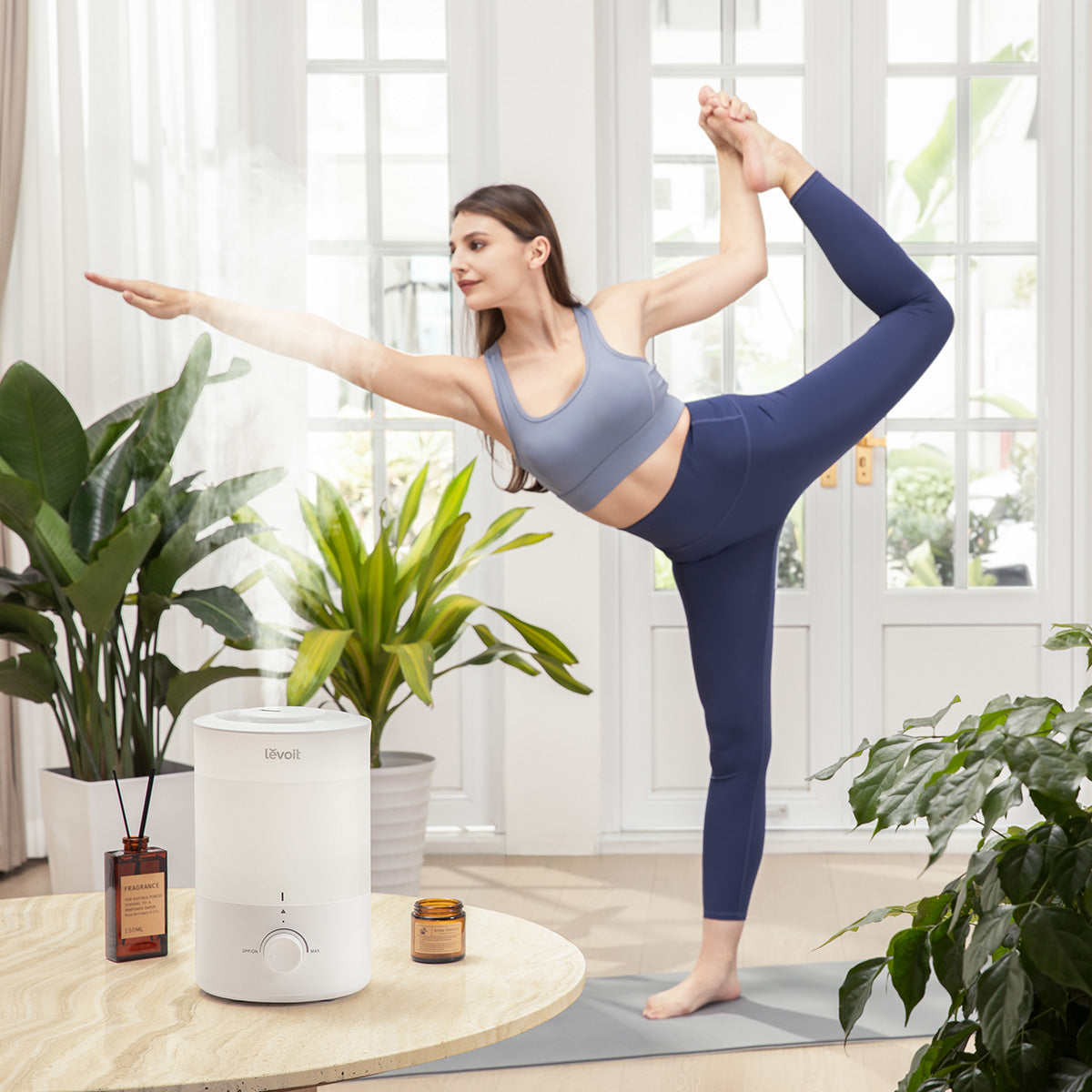
Bringing a new baby home means paying close attention to everything in their environment — including the air they breathe. If you are wondering whether to use a humidifier with a newborn or infant, especially during winter or when the heating is running, you are not alone. Dry indoor air is a common concern for new parents.
This guide covers everything you need to know about using a humidifier with a baby: when it may be useful, which type to consider, how to use one safely, and what to look for when choosing a humidifier for your baby’s room.
Is a Humidifier Good for Newborns?
A humidifier can be a helpful addition to a nursery when indoor air feels dry. Dry air — common during colder months when central heating is running — can make a room feel uncomfortable for anyone, including babies.
Adding moisture to the air may help ease some of the physical discomfort that comes with dry indoor conditions, such as dry skin or a stuffy nose. However, a humidifier is not a medical device and is not a treatment for illness. If your baby is unwell or you have concerns about their health, always speak to your GP or health visitor.
Humidifier Benefits for Babies’ Rooms
When used appropriately, a humidifier in the nursery may offer some comfort-related benefits:
- Relieving dryness. Dry air can irritate delicate nasal passages and skin. A humidifier adds moisture to the air, which may help keep the room feeling more comfortable.
- Seasonal comfort. In winter, when central heating tends to reduce indoor humidity significantly, maintaining a moderate humidity level in the nursery can make the environment feel less harsh.
- White noise. Some humidifiers produce a gentle ambient sound that some babies find soothing.
It is worth noting that these are comfort benefits, not medical ones. A humidifier does not prevent or treat respiratory illness.
Can I Use a Humidifier for a Newborn?
Yes — using a humidifier with a newborn is generally considered safe, provided it is set up and maintained correctly. A humidifier for a baby’s room can help add moisture to dry indoor air, but the key factors are appropriate humidity levels, safe placement, and regular cleaning. For any specific health concerns about your baby, always consult a healthcare professional before making changes to their environment.
What Type of Humidifier Is Ideal for Infants?
There are two common technologies used in home humidifiers, each with different characteristics worth considering for nursery use.
Ultrasonic humidifiers use high-frequency vibrations to break water into a fine cool mist, which is then released into the air. They tend to run quietly, which makes them well suited to rooms where noise is a consideration. One thing to note is that ultrasonic humidifiers can produce white dust if used with hard tap water — this is mineral residue from the water. Using filtered or distilled water can reduce this.
Evaporative humidifiers work differently: a fan draws air through a wet wick or filter, allowing water to evaporate naturally into the air. Because the evaporation process is self-regulating, evaporative humidifiers are less likely to over-humidify a room. They do not produce white dust, and tap water can generally be used without issue. The trade-off is that the wick filter needs to be replaced periodically.
Both technologies can work well in a nursery. The right choice depends on your priorities — whether that is noise level, water type, maintenance preferences, or the size of the room. Neither is universally better or safer for infants.

How to Choose a Humidifier for Your Baby’s Room
Once you have decided on the type, here are the practical things to consider.
Choose the Right Size for the Nursery
A humidifier’s output should be matched to the size of the room. A unit designed for a large open-plan space will typically add moisture much faster than a smaller nursery requires, which can push humidity too high. Check the manufacturer’s recommended room coverage and choose accordingly. Most nurseries are small to medium-sized rooms, so a compact or mid-range model is usually sufficient.
Look for Adjustable Humidity and Auto Shut-Off
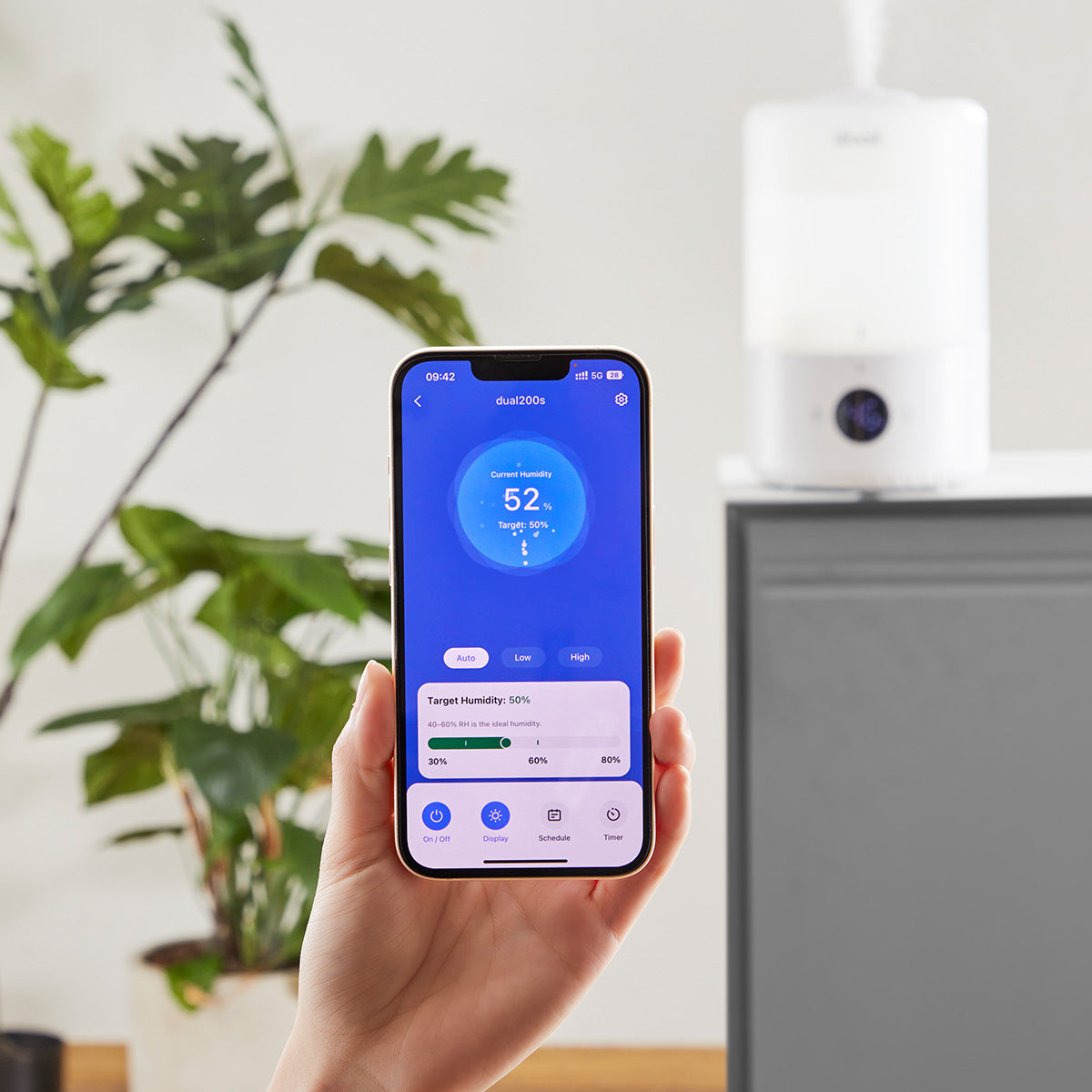
Being able to set a target humidity level — or using a model with a built-in humidistat — makes it easier to keep the room within a comfortable range without constant manual adjustment. Auto shut-off is a useful feature that turns the humidifier off when the water tank is empty or when the target humidity is reached, helping to avoid over-humidification and reducing the need to monitor the unit overnight.
Consider Noise and Nighttime Use
Nurseries are used for sleep, so noise level matters. Ultrasonic humidifiers tend to run very quietly. If you are considering an evaporative model, check the noise level at its lowest fan setting. Some models also include a dedicated sleep mode that reduces output and dims any indicator lights.
Choose an Easy-to-Clean Humidifier
Regular cleaning is one of the most important factors in using a humidifier safely. Look for a model with a wide tank opening that allows your hand or a cloth to reach inside, and components that are straightforward to disassemble and rinse. Models with a top-fill design can be easier to refill without moving the unit. Always follow the manufacturer’s cleaning instructions.
How to Use a Humidifier Safely in a Baby’s Room
Safe use comes down to placement, humidity monitoring, and maintenance.
How Close Should a Humidifier Be to a Baby?
The humidifier should be placed well out of your baby’s reach — they should not be able to touch it, pull it, or knock it over. The mist output should not be directed towards the crib or directly at the baby. Refer to the manufacturer’s placement recommendations for the specific model you are using.
Where to Put a Humidifier in a Baby’s Room
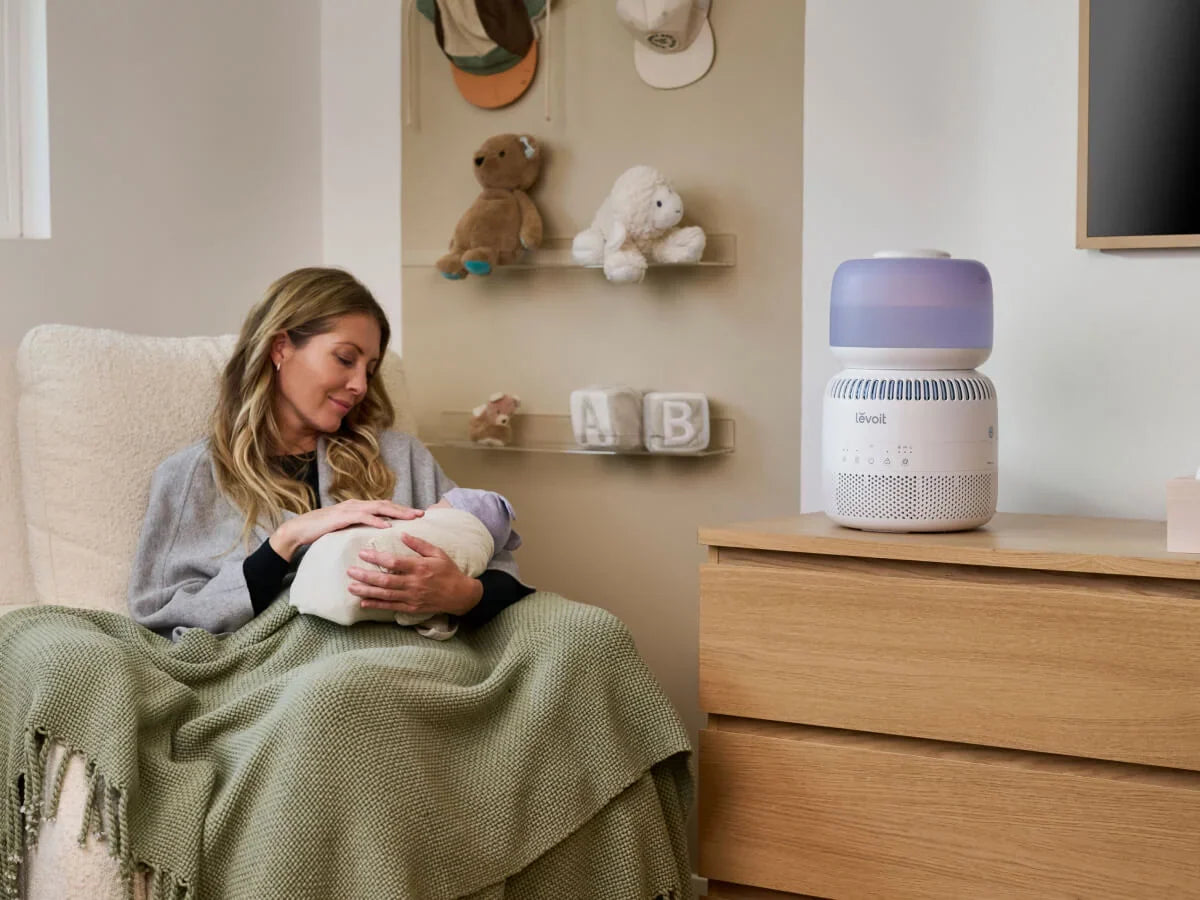
Place the unit on a stable, flat, elevated surface — such as a chest of drawers or a shelf — where it is secure and cannot be tipped. Keep it away from the crib, bedding, curtains, and walls, as prolonged exposure to moisture can cause damage or encourage mould growth on surfaces. Leave enough space around the unit for air to circulate freely.
Keep Humidity at a Comfortable Level
The goal is to maintain comfortable indoor humidity, not to maximise moisture. A hygrometer — a small, inexpensive device that measures room humidity — is a useful tool for monitoring the nursery environment. A comfortable indoor relative humidity is generally considered to be around 40–60%. If the humidity in the room climbs above this, consider reducing the humidifier’s output or running it for shorter periods, as damp air can encourage mould and dust mites.
Excessive humidity can encourage mould growth and increase dust mite activity, so more is not necessarily better.

Use Fresh Water and Clean the Humidifier Regularly
Always use fresh water when filling the tank. Empty any remaining water if the humidifier has been sitting unused, and clean the tank before refilling. Stagnant water can allow bacteria and other microorganisms to develop, which can then be dispersed into the air when the humidifier runs.
Follow the manufacturer’s recommended cleaning schedule — this usually involves rinsing the tank daily, and a more thorough clean with a mild disinfectant weekly. Replace wick filters on evaporative models as directed.
Can a Humidifier Help With a Baby’s Cough?
Dry air can sometimes contribute to a dry or irritated nose and throat, and humidified air may provide some comfort in these conditions. However, a humidifier is not a treatment or cure for coughs, colds, or any respiratory illness.
A note on white dust: If you are using an ultrasonic humidifier, consider using distilled or filtered water to reduce mineral deposits (white dust) that can be dispersed into the air. Alternatively, an evaporative humidifier does not produce white dust and can be used with tap water.
If your baby has a persistent or concerning cough, or any respiratory symptoms that worry you, seek medical advice. A humidifier is a comfort measure, not a substitute for professional healthcare.
Common Mistakes to Avoid When Using a Baby Humidifier
Placing the Humidifier Too Close to the Crib
The mist should not be directed at your baby, and the unit should be positioned where it cannot be reached or knocked over. A stable, elevated position away from the sleep area is best.
Letting the Room Become Too Humid
Running a humidifier continuously at a high output can push room humidity beyond a comfortable range. Monitor with a hygrometer and adjust the humidifier’s settings or running time accordingly. High humidity can encourage mould and dust mites.
Forgetting to Clean the Humidifier
A humidifier with standing or dirty water can become a source of bacteria and mould. Empty the tank when not in use, refill with fresh water, and clean the unit regularly according to the manufacturer’s instructions.
Adding Essential Oils Without Checking the Instructions
Essential oils should only be added to a humidifier if it is specifically designed to accommodate them — usually via a dedicated aroma tray or pad rather than the main water tank. Adding oils directly to the water tank of a humidifier not designed for this purpose can damage the unit and void the warranty. For infant use, avoid any unsupported claims about essential oils and their effects on health.
Levoit Humidifiers for the Nursery
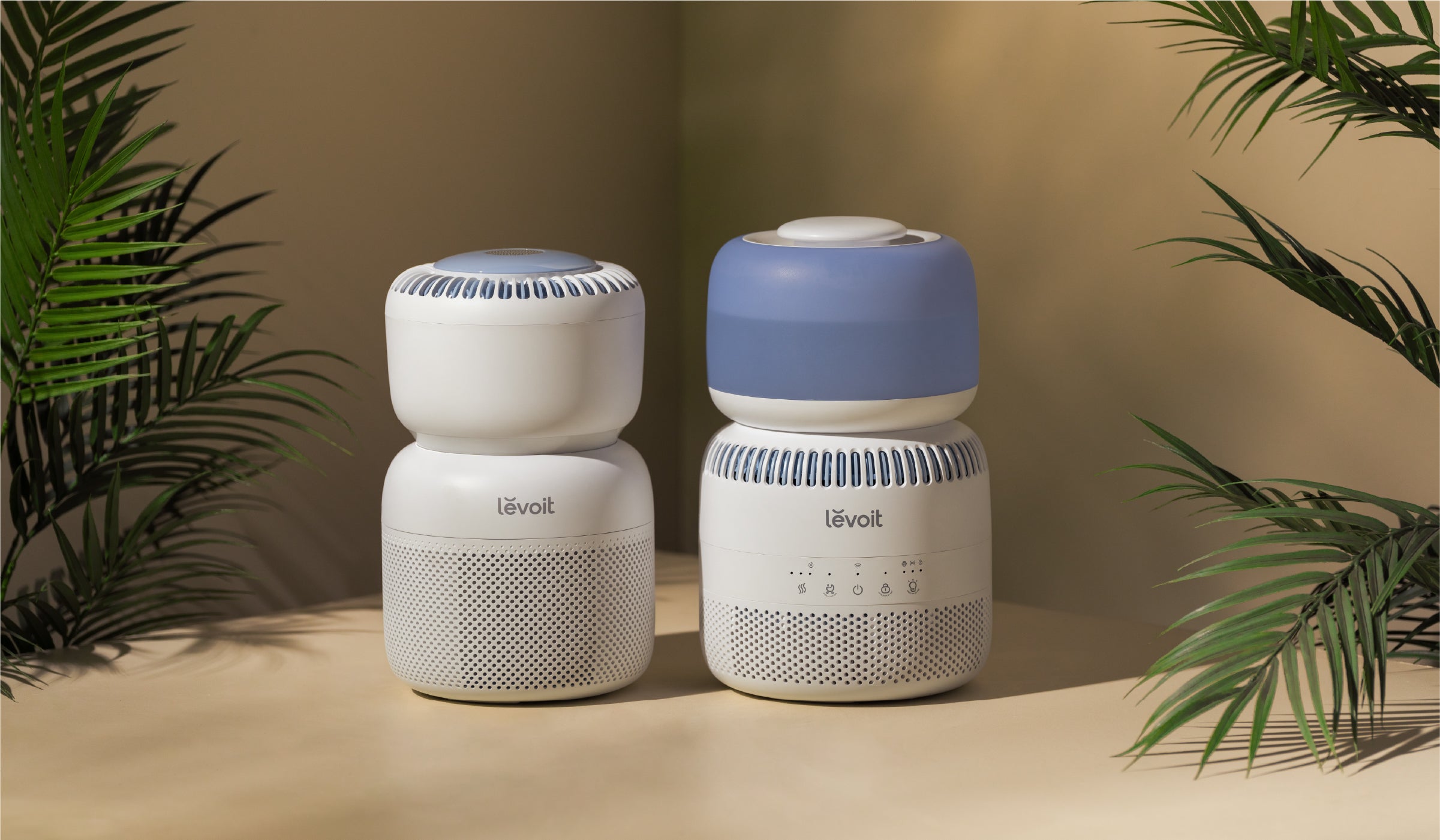
The right humidifier depends on your nursery size, how you plan to use it, and the features that matter most to you. Here are two Levoit NeoClassic models suited to different nursery needs — both designed with easy cleaning and quiet overnight use in mind.
For Smaller Nurseries — Levoit NeoClassic 450S Smart Humidifier
Shop the Levoit NeoClassic 450S
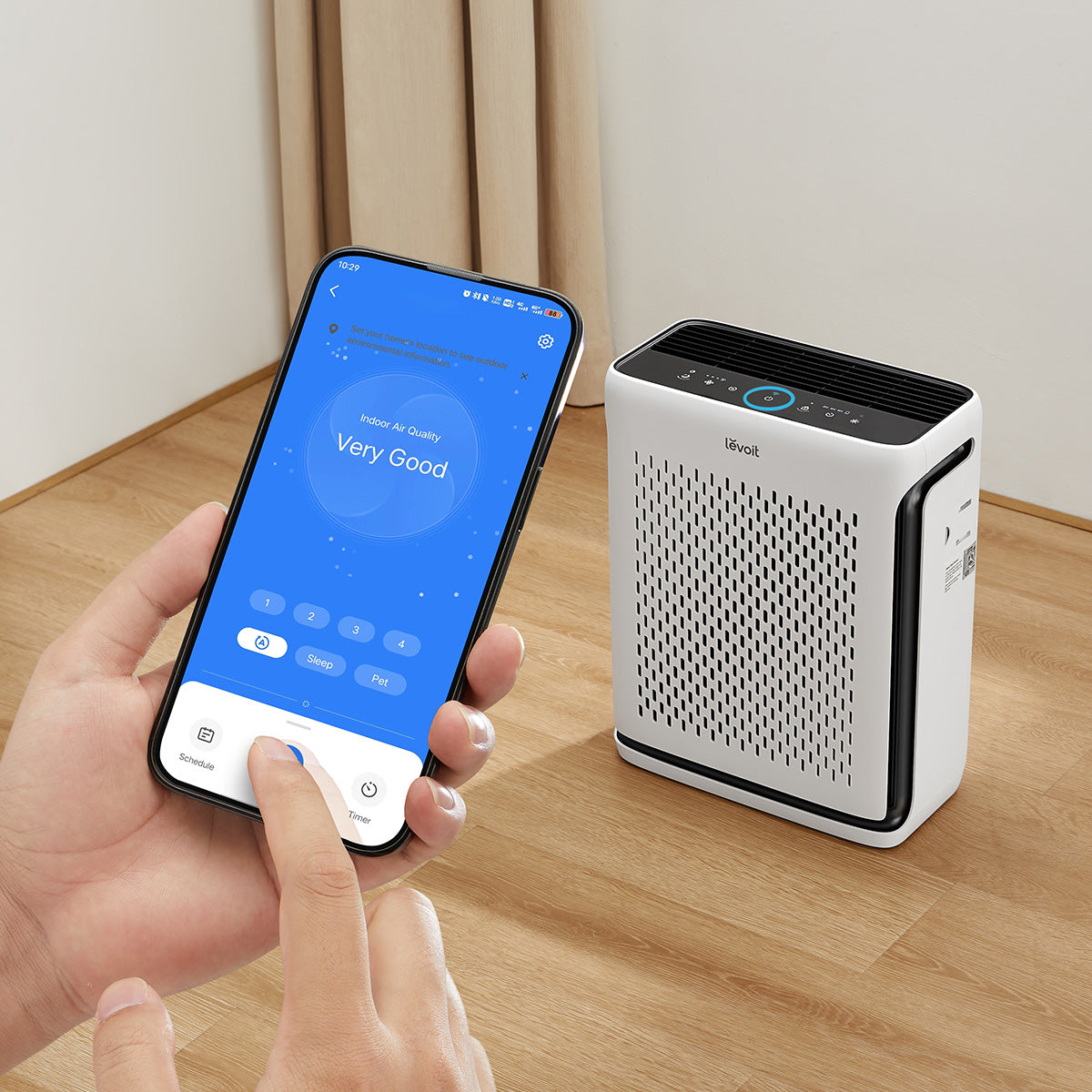
The NeoClassic 450S is a compact ultrasonic humidifier designed to be used in small and medium-sized nurseries and bedrooms. Its 4.2-litre tank provides up to 42 hours of continuous mist on the lowest setting — enough for several nights without refilling. The top-fill design and dishwasher-safe detachable tray make it straightforward to clean, with no awkward corners to reach. It operates from 21 dB in Sleep Mode, and the blue light-free night light provides a gentle glow without disrupting rest. The VeSync app lets you set schedules and monitor the room remotely.
Key specs: 4.2 L tank · up to 42 hrs on lowest setting · 21 dB Sleep Mode · blue light-free night light · dishwasher-safe parts · top-fill · App + voice control
For Larger Nurseries or Open-Plan Spaces — Levoit NeoClassic 650S Smart Humidifier
Shop the Levoit NeoClassic 650S
The NeoClassic 650S is designed for larger spaces, covering up to 50 m² with a 320 ml/h mist output and a 6.2-litre tank that runs for up to 62 hours on the lowest setting. Intelligent Auto Mode maintains your target humidity with ±5% sensor accuracy, adjusting output automatically so you do not need to monitor it overnight. It runs at 26 dB and features a blue light-safe night light. The removable tank and detachable tray are dishwasher-safe, making cleaning straightforward.
Key specs: 6.2 L tank · up to 62 hrs on lowest setting · covers up to 50 m² · Auto Mode (±5% accuracy) · 26 dB · blue light-safe night light · dishwasher-safe parts · App + voice control
FAQs About Humidifiers for Infants
Is a Humidifier Necessary for a Newborn?
A humidifier for a newborn is not essential, but it can be a helpful comfort measure in dry indoor environments — particularly during winter when central heating is running. The best approach is to monitor the actual humidity in the nursery with a hygrometer. If the room is already within a comfortable range (roughly 40–60%), a humidifier for your baby may not be needed.
How Long Can I Use a Humidifier?
There is no fixed rule for how long to run a humidifier. The sensible approach is to monitor room humidity and run the humidifier only as needed to maintain a comfortable level. Many parents run it overnight and switch it off during the day, or use a model with Auto Mode that adjusts output based on real-time humidity readings.
How Close Should a Humidifier Be to a Crib?
The humidifier should not be placed close to the crib. Keep it out of your baby’s reach, position the mist output away from the sleep area, and follow the manufacturer’s specific placement guidance for the model you are using.
Where Should I Put a Humidifier in a Baby’s Room?
On a stable, elevated surface — such as a chest of drawers — away from the crib, bedding, curtains, and walls. Make sure there is enough space around the unit for air to circulate. The mist outlet should not be directed towards the baby or any surface where moisture could accumulate.
Can a Humidifier Help With a Baby’s Cough?
Humidified air may provide some comfort if dry air is contributing to a dry or irritated nose and throat. However, a humidifier is a comfort measure only — it is not a treatment for coughs, colds, or any medical condition. If your baby has persistent or worsening symptoms, seek advice from a healthcare professional.
This article is for general informational purposes only and does not constitute medical advice. Always consult a qualified healthcare professional for concerns about your baby’s health. All product specifications sourced from levoit.co.uk. Runtime figures are based on the lowest mist setting; actual performance may vary depending on room conditions and usage.