

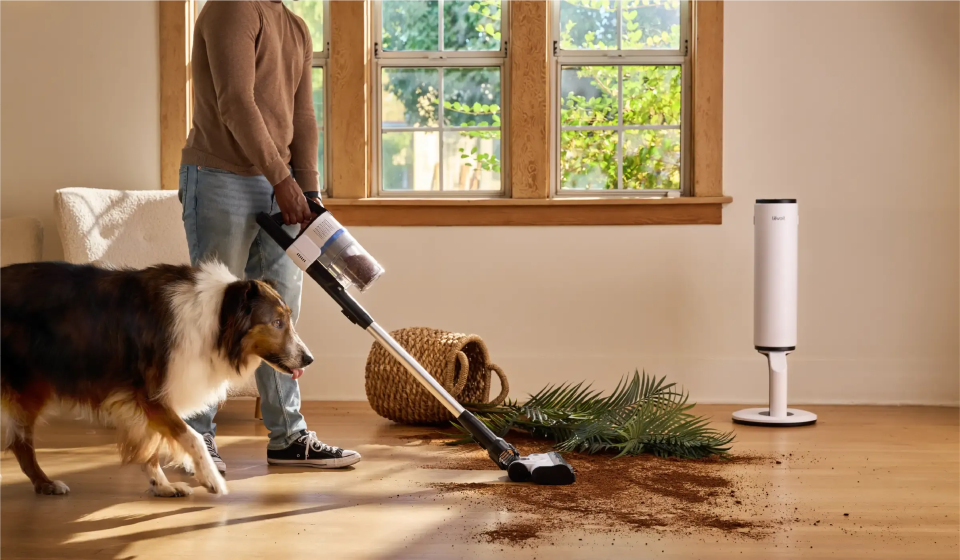
2026 Buying Guide: Learn how to choose the best vacuum based on power, runtime, filtration, noise level, and cleaning needs.
Why Vacuum Type Matters
A clean home is more than a visual standard. It contributes to better air quality, reduced allergens, and a space that genuinely feels good to live in.
Every household has different needs based on space, floor types, pets, and daily habits. A studio apartment with hardwood floors calls for something entirely different than a multi-story home with thick carpets and a pet that sheds constantly. By taking these factors into consideration, you can spend less time shopping, avoid overpaying or underbuying, and enjoy a home that feels its best.
What Type of Vacuum Cleaner Fits Your Home?
Understanding the main vacuum categories is the first step toward a smarter purchase.
Canister Vacuum Cleaners
Canister vacuum cleaners are a classic among homeowners who want the same suction across all surfaces. The motor and dust bin are housed in a separate canister that rolls along the floor, while a flexible hose and wand give you full control over where you clean.
They're particularly well suited for deep cleaning sessions, upholstery, and larger homes with mixed flooring. The tradeoffs are storage and mobility. Canister models tend to be bulkier and harder to maneuver and require a dedicated storage space.
Upright & Corded Vacuum Cleaners
Upright vacuums have long been a common choice for carpeted homes. With consistent power, corded models deliver reliable suction on every pass. They are effective on plush or high-pile carpet where debris tends to sink deep into the fibers.
The limitations are flexibility and weight. Cords restrict your range of movement, and some upright models can feel cumbersome when navigating furniture or stairs.
Cordless Vacuum Cleaners
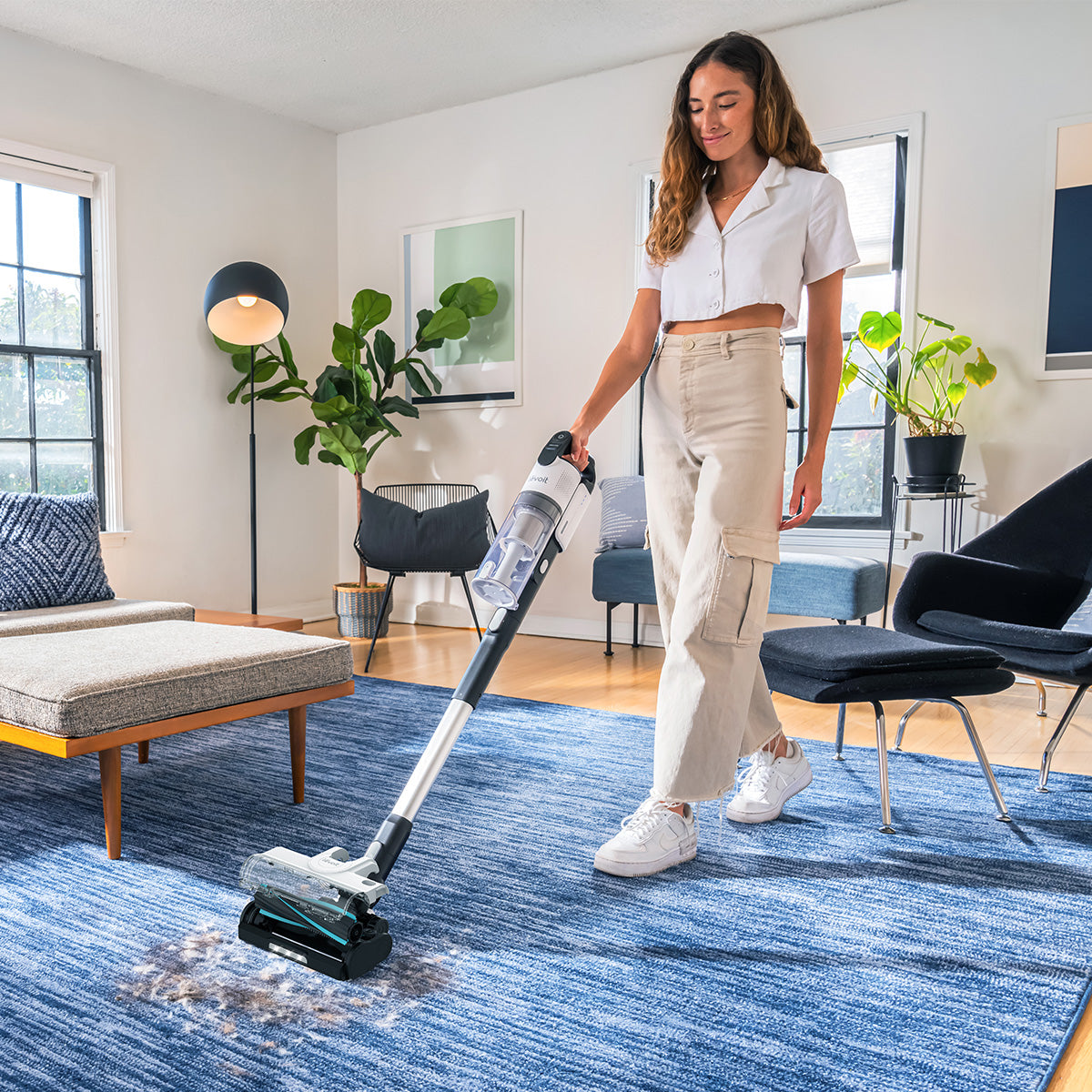
The cordless vacuum cleaner has become one of the most popular choices for modern homes. Without a cord to manage, you can move freely from room to room, transition between floor types, and reach spaces that traditional vacuums can't access easily.
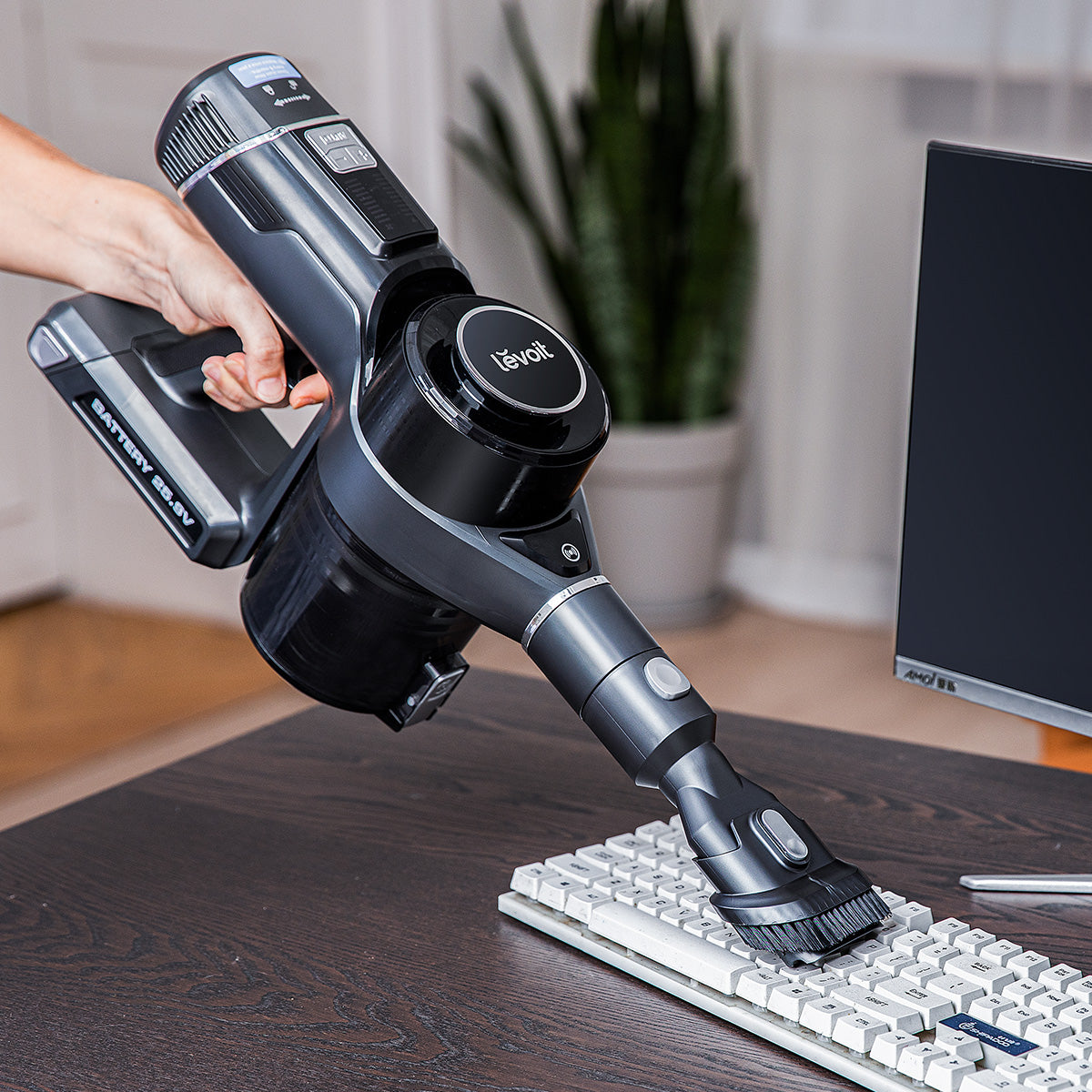
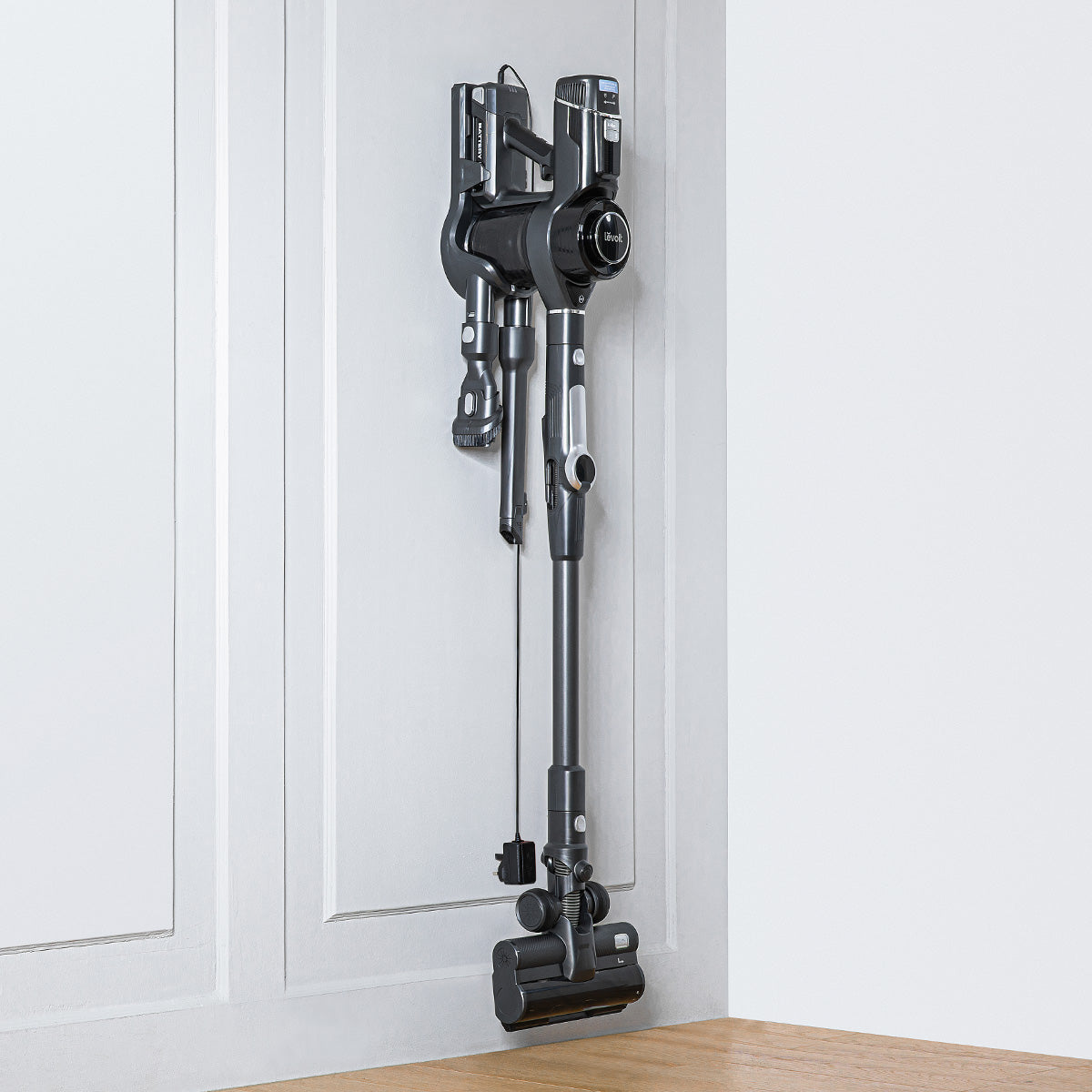
Cordless models are lightweight, quick to grab, and ideal for everyday maintenance cleaning in small- to medium-sized homes. Many also convert into handheld units, giving you even more versatility. For households where fast, flexible cleaning is the goal, a cordless vacuum cleaner is a natural fit.

Key Factors to Consider Before Buying a Vacuum Cleaner Good for Your Home
Once you've identified the type that suits your lifestyle, these are the performance and usability factors that separate a good vacuum cleaner from a great one.
Suction Power & Cleaning Performance
Suction power is measured in air watts (AW) and is one of the clearest indicators of cleaning performance. Higher suction means the vacuum can lift more debris from deeper within carpet fibers or pull fine dust from hard floors more effectively. Look for models with adjustable power settings so you can conserve battery on lighter tasks and boost suction when a deeper clean is needed.
Filtration System
A vacuum cleaner's job isn't just to remove visible debris. It might also affect the air you breathe. A HEPA filter is the gold standard, capturing particles as small as 0.3 microns, including dust mites, pollen, and pet dander. Prioritizing a filtration system with HEPA can help make sure that particles do not leak into the air.
Battery Life & Runtime for Cordless Models
For cordless vacuum cleaners, battery life determines how much you can accomplish before stopping to recharge. Look for a model that offers at least 40–60 minutes of runtime and consider whether the battery is removable. A swappable battery means you can keep a spare charged and extend your cleaning sessions without waiting.
Weight & Ease of Use
It’s easier to get daily use out of a vacuum cleaner when it isn't stressful to reach for. If a model feels too heavy or awkward, it becomes something you avoid rather than rely on. Lightweight cordless models typically weigh between three and six pounds, making them easy to carry up stairs or switch between rooms without fatigue.
Noise Level
Noise level matters more than most people anticipate. Measured in decibels (dB), a quieter vacuum is a real advantage if you're cleaning during nap times, early mornings, or in shared living spaces. Models operating below 70dB offer a noticeably more comfortable experience without sacrificing suction.
Maintenance & Cleaning Convenience
The best vacuum cleaner is one that's easy to maintain. Look for models with washable filters, large dust bins that don't require frequent emptying, and components that snap apart without tools. Simplified maintenance keeps the vacuum performing at its best over time and makes the whole experience more pleasant.
Brush Design & Hair Management
For pet owners or anyone with long hair, the roller brush design is a critical consideration. Anti-tangle roller brushes with specialized teeth or combing mechanisms prevent hair from wrapping around the roller, reducing the time you spend cleaning the vacuum itself. This single feature can significantly improve the long-term usability of your machine.
Floor Type Compatibility
Not all vacuums perform equally across all surfaces. Some models excel on hard floors but struggle on thick rugs. Others are built for carpet but scatter debris on smooth surfaces. The best vacuum cleaner for your home is one that adapts. Look for models with different suction levels and versatile attachments that let you optimize performance depending on what's underfoot.

Ability to Reach Tight Spaces
Corners, baseboards, under furniture, and crevices along walls are where dust and debris accumulate most. Attachments with slim nozzle profiles, flexible hoses, and low-profile cleaning heads allow the vacuum to reach areas that a traditional upright cannot. If your home has a lot of furniture or narrow passages, this feature is worth prioritizing.
Home Size & Cleaning Habits
Finally, match the vacuum to the scale of your cleaning routine. A large, multi-room home with multiple floor types benefits from a high-capacity, high-suction model with extended runtime. A smaller space where you clean frequently can be maintained beautifully with a lightweight model that's quick to deploy and easy to store.
What to Look for at a Glance
Before you make your final decision, here's a summary of the key factors to evaluate:
- Suction power: Look for adjustable settings and high air watts (AW) for reliable performance.
- Filtration: HEPA filters effectively capture fine particles.
- Battery life: Aim for 40–60 minutes of runtime for cordless models.
- Weight: Lighter models make daily cleaning more sustainable and comfortable.
- Noise level: Models under 70dB create a quieter, more livable cleaning experience.
- Brush design: Anti-tangle technology reduces maintenance time, especially for pet owners.
- Floor compatibility: Choose a model that adapts to the surfaces in your home.
- Reach: Versatile attachments help you clean corners and tight spaces.
- Home size: Match the vacuum's capacity and runtime to the scale of your space.
The Best Vacuum for You
There is no single best vacuum cleaner for everyone. The right choice depends on your floor types, home size, daily habits, and what matters most to you in a cleaning experience. A well-chosen vacuum cleaner makes cleaning faster, easier, and more efficient, turning a task you tolerate into one that fits your lifestyle.
Take time to think about how and where you clean most often. Prioritize the features that align with your lifestyle, and you'll find a vacuum that works as hard as you do, every single day.