




From dryness to breakouts, the air in your home can influence how your skin looks and feels. That’s where air care comes in: Clean, balanced air can help maintain hydration, reduce irritation, and create a more supportive environment for your skin.
Air care can support your skin with a more complete approach to comfort and wellness that extends beyond traditional skincare.
The Rise of Air Care
As awareness grows around indoor air quality, more households are looking for ways to create clean, comfortable environments. This shift reflects a broader understanding that air plays a key role in how we feel, inside and out.
Air care is not just about comfort. It’s about supporting overall well-being, including skin health. With the help of air purifiers and humidifiers, it’s easier than ever to manage your indoor environment. As a result, air care is becoming a natural extension of both wellness routines and everyday living.
How Air Quality & Humidity Affects Skin Hydration
Your skin relies on moisture to stay smooth, soft, and resilient. When indoor air is too dry, it can lead to dehydration. Over time, this may cause your skin to feel tight, flaky, or more sensitive than usual.
Air quality and humidity work together to influence how well your skin retains moisture. Clean air minimizes contact with airborne irritants, while balanced humidity can help your surface skin retain essential moisture.
- Dry air can lead to moisture loss: When indoor air lacks humidity, it pulls moisture from your skin, leaving it feeling tight and dehydrated. Over time, this can make skin prone to irritation.
- Balanced humidity helps maintain hydration: Keeping humidity within an optimal range supports your skin’s ability to retain moisture. This helps your skin feel soft, smooth, and more comfortable throughout the day.
- Airborne particles can disrupt skin comfort: Dust, pollen, and other particles in the air can settle on your skin and cause irritation. Clean air helps reduce this exposure, supporting a more balanced complexion.
Humidity & Skin Barrier
Humidity plays a critical role in maintaining your skin’s natural barrier. Ideally, indoor humidity levels should stay between 30–50% to support hydration and comfort. When the air becomes too dry, it can pull moisture from your surface skin, leaving it feeling tight, rough, and itchy.
On the other hand, excessively high humidity can create a different set of challenges. It may lead to a heavier feeling on the skin. Maintaining balanced humidity helps support the skin barrier, allowing it to retain moisture more effectively.
Air Quality & Sleep: The Beauty Connection
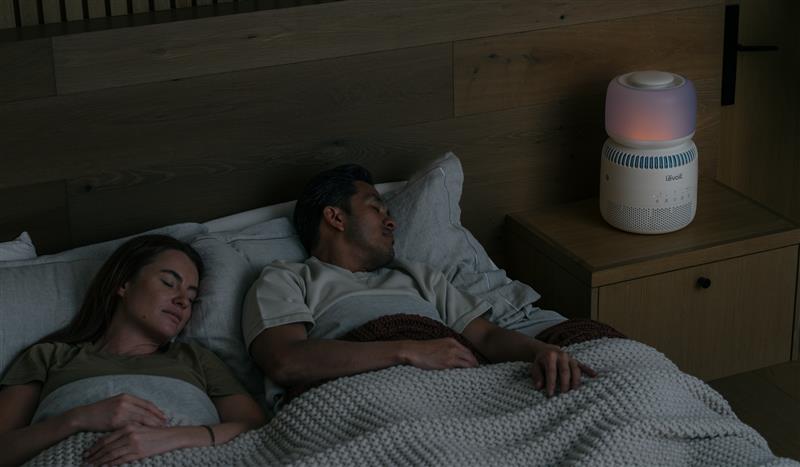
Sleep is often called “beauty rest” for a reason, but air quality plays a key role in how restorative that rest actually is. Poor indoor air that’s filled with dust, allergens, or pollutants can disrupt sleep by causing discomfort or irritation. This can lead to more frequent waking and less time in deep sleep cycles.
Clean air can help create a more comfortable sleep environment. Over time, prepping your sleep environment can become part of your skincare beauty routine.
How To Create a Beauty-Grade Air Environment at Home
Creating a beauty-focused environment at home includes consistent, intentional air care. Air care works quietly in the background, helping maintain conditions that allow your skin to thrive. By combining filtration and humidity control, you can support skin comfort.
Use an Air Purifier
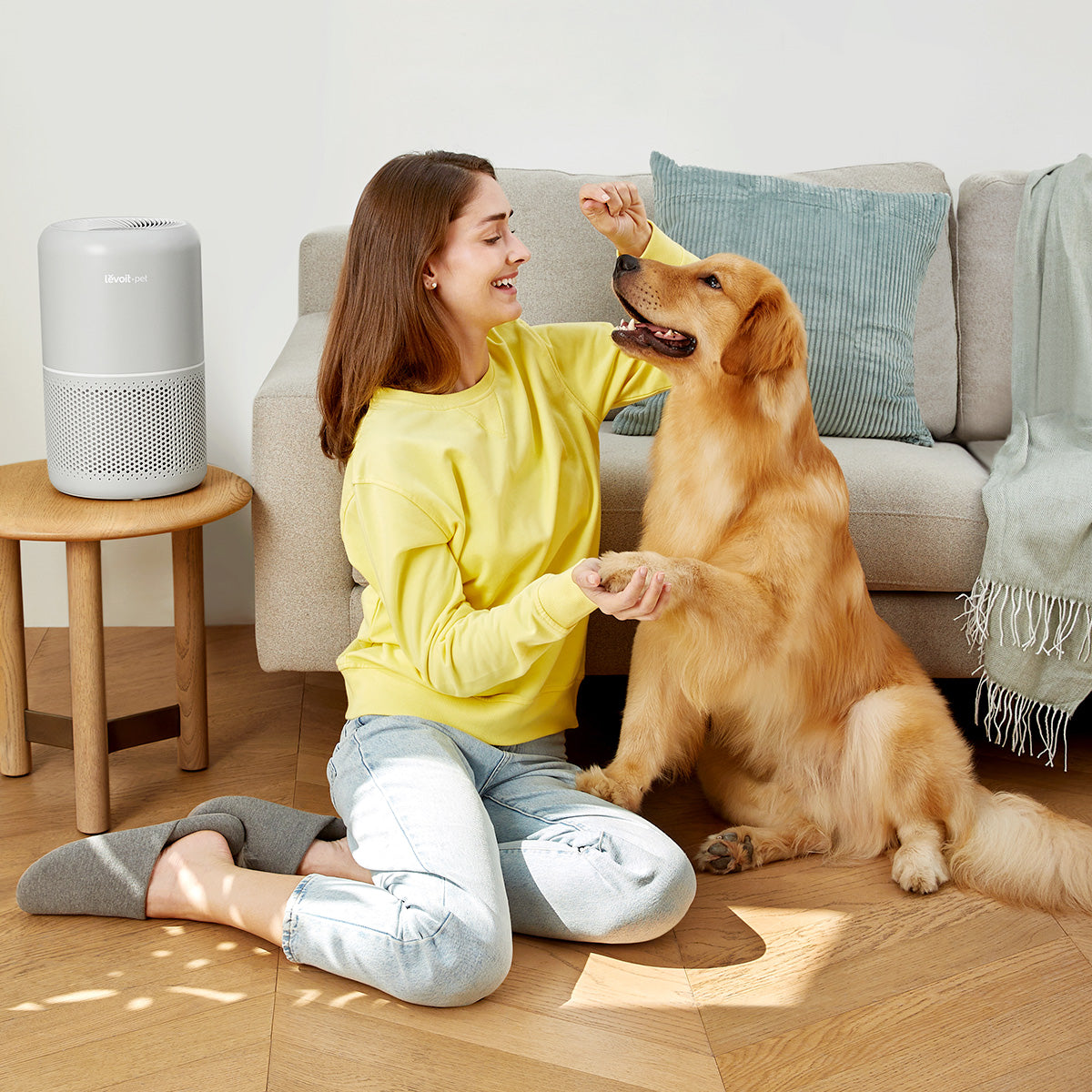
An air purifier helps remove airborne particles like dust, pollen, and other irritants that can affect your beauty routine. Since the air is clean, there’s less chance of particles settling on freshly cleansed skin. It works quietly in the background, supporting a beauty-first environment.
Use an air purifier before and during your skincare routine to help prepare your environment for better results.
Consistent use of an air purifier can also prevent the buildup of particles on surfaces and in the air throughout the day, meaning fewer irritants settling on your skin. This is especially helpful in spaces where you spend the most time, such as bedrooms or living rooms.

Maintain Optimal Humidity With Cool or Warm Mist Humidifiers
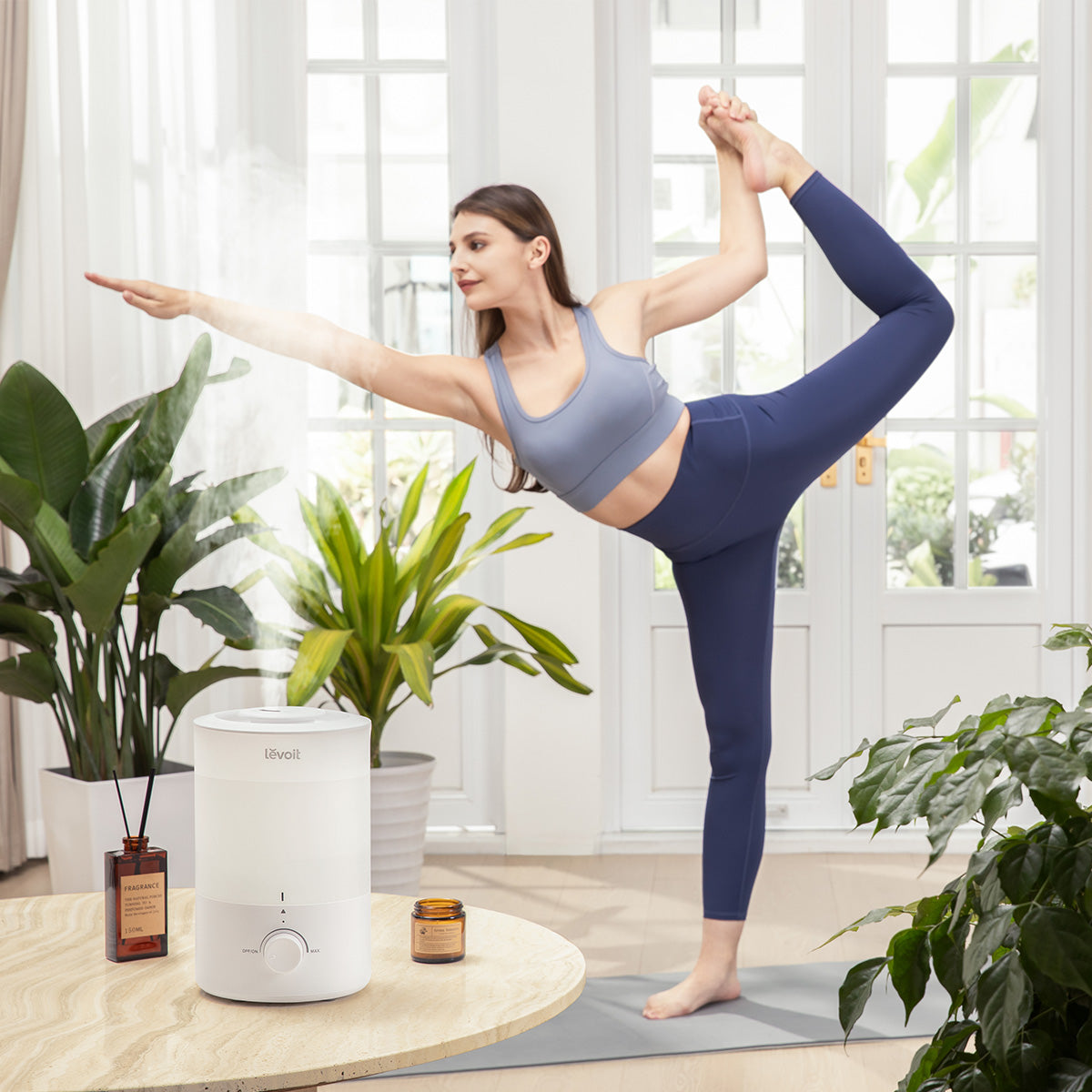
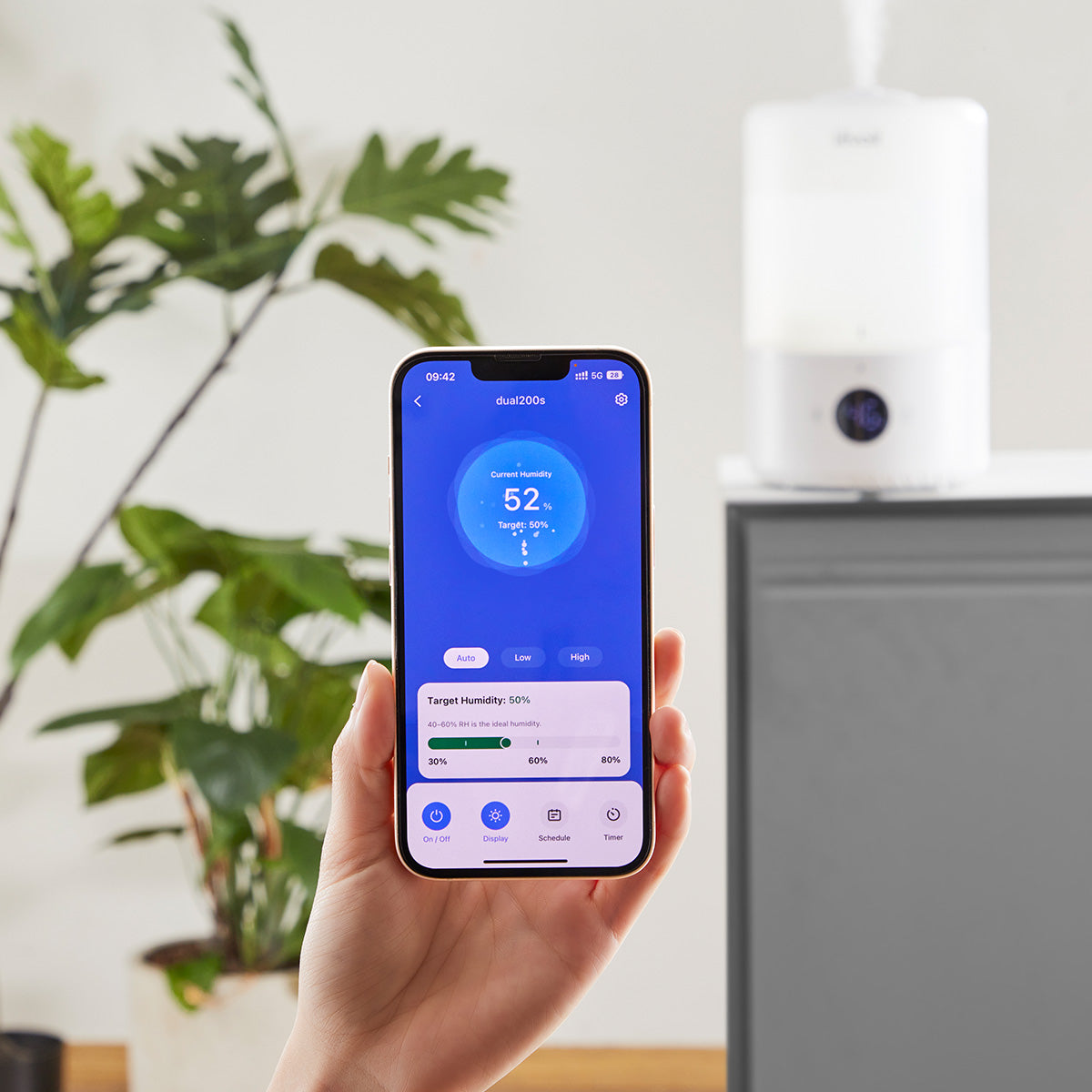
Humidifiers add moisture back into the air, helping maintain the ideal humidity range for skin comfort. Using a humidifier regularly can also support your surface skin’s ability to retain moisture.
Whether you choose a cool or warm mist option, the goal is to prevent dryness and support hydration. Balanced humidity can help your skin feel soft and comfortable throughout the day.
- Cool mist humidifiers are often preferred for everyday use because they disperse moisture evenly without heating the air. They can be a great option for bedrooms and larger spaces where continuous hydration is needed.
- Warm mist humidifiers, on the other hand, release slightly heated moisture that can feel soothing, especially in colder environments
Both options support effective air care. It simply depends on your personal preference and space. Placement and maintenance also play an important role in getting the most out of your humidifier. Positioning it in areas where you spend the most time can help maximize its benefits for your skin.
Air Care: Additional Tips
These simple habits can complement your air care efforts and support an indoor space that feels clean, fresh, and comfortable for both your skin and overall wellness.
- Keep bedding and fabrics clean to reduce buildup of airborne particles
- Avoid overusing harsh cleaning products that may affect indoor air
- Open windows occasionally when outdoor air quality is good
- Stay hydrated to support skin from within
Daily “Beauty Air Routine”
A “beauty air routine” doesn’t require extra effort. It can be simple and effective. Taking these steps can help maintain a supportive environment for your skin throughout the day.
- Turn on your air purifier before starting your skincare routine
- Set your humidifier to maintain 30–50% humidity
- Apply moisturizer or serum after spending a few minutes in balanced air
- Keep bedroom air clean and comfortable during sleep
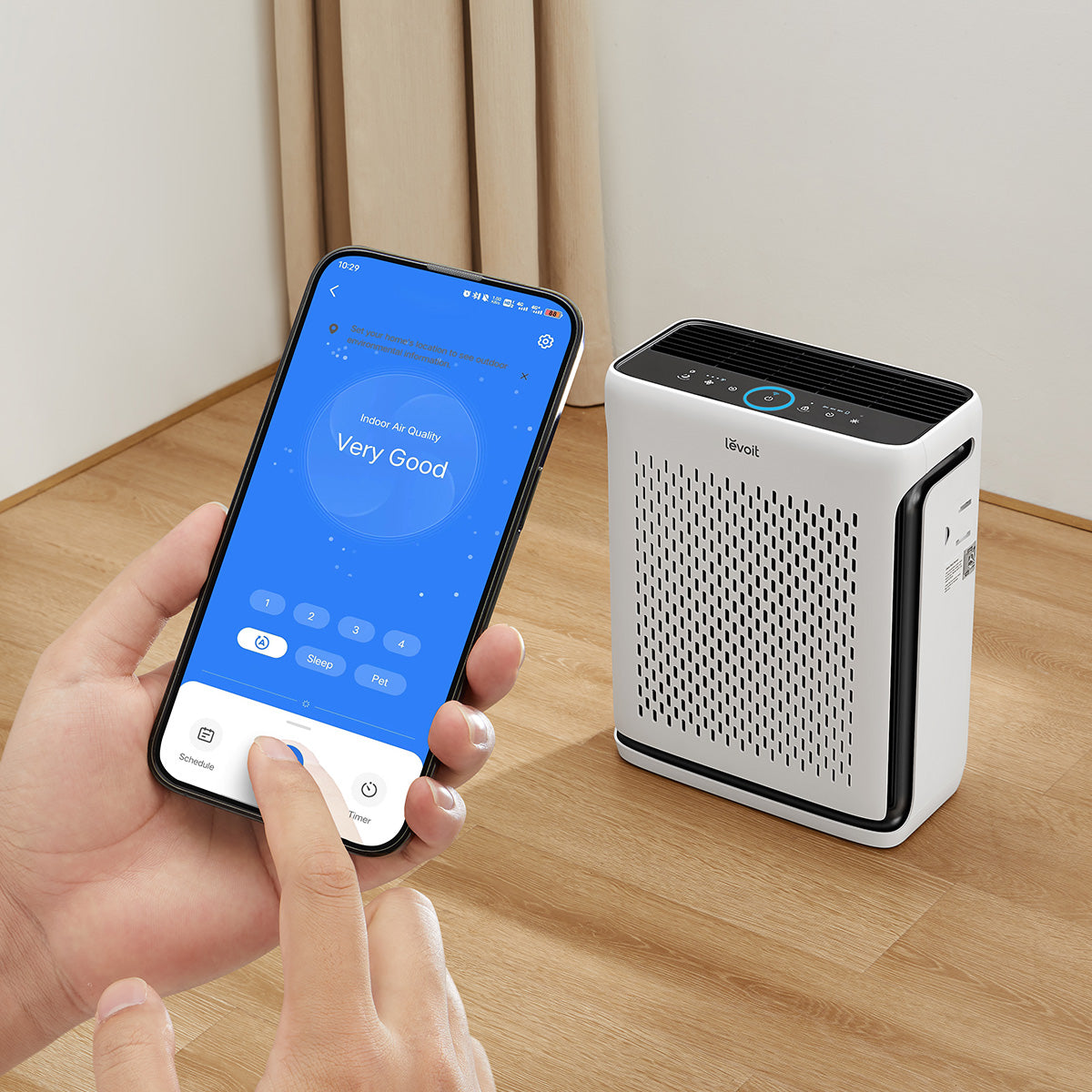
- Check indoor air quality weekly to stay on track
To get the most out of your routine, try aligning your air care habits with your daily schedule. For example, running your air purifier in the morning can help refresh your space before you begin your day, while maintaining humidity levels in the evening supports overnight skin recovery. Consistency is key, and even small adjustments can lead to noticeable improvements over time.
You can also personalize your routine based on your environment and seasonal changes. During colder months, indoor air tends to be drier, making humidifier use especially important. In warmer seasons, focusing on air purification can help reduce exposure to airborne particles. By adapting your approach, your beauty air routine stays effective year-round.
Air Care: The Missing Step in Your Beauty Routine
Air care represents the next step in evolving your approach to skincare. While products work on the surface, your environment plays a continuous role in skin wellness.
Clean, balanced air helps support hydration and comfort throughout the day and night. Small, daily adjustments, like using an air purifier or maintaining proper humidity, can make a meaningful difference over time. When combined with your skincare habits, air care helps you build a routine that supports both comfort and confidence.
Article sources
Tan, G., Peng, X., Lawson, L.B., He, J. Freytag, L.C., Clements J.D., John, V.T. “Hydration Effects on Skin Microstructure as Probed by High-Resolution Cryo-Scanning Electron Microscopy and Mechanistic Implications to Enhanced Transcutaneous Delivery of Biomacromolecules.”
Belo, J., Meira e Cruz, M., Viegas, C., Lage, J., Almeida, S.M., Verde, S.C., Alves, C., Canha, N. “Sleep and indoor air quality: an exploratory polysomnographic evaluation of potential associations.”
The information provided here is for informational and educational purposes only and should not be used in medical emergencies or for diagnosing or treating any medical condition. It's crucial to consult a licensed medical professional for diagnosis and treatment. External links are for informational purposes and do not constitute endorsements. No warranty of any kind, either expressed or implied, is made as to the products and/or the accuracy, reliability, timeliness, or correctness of the information provided herein.