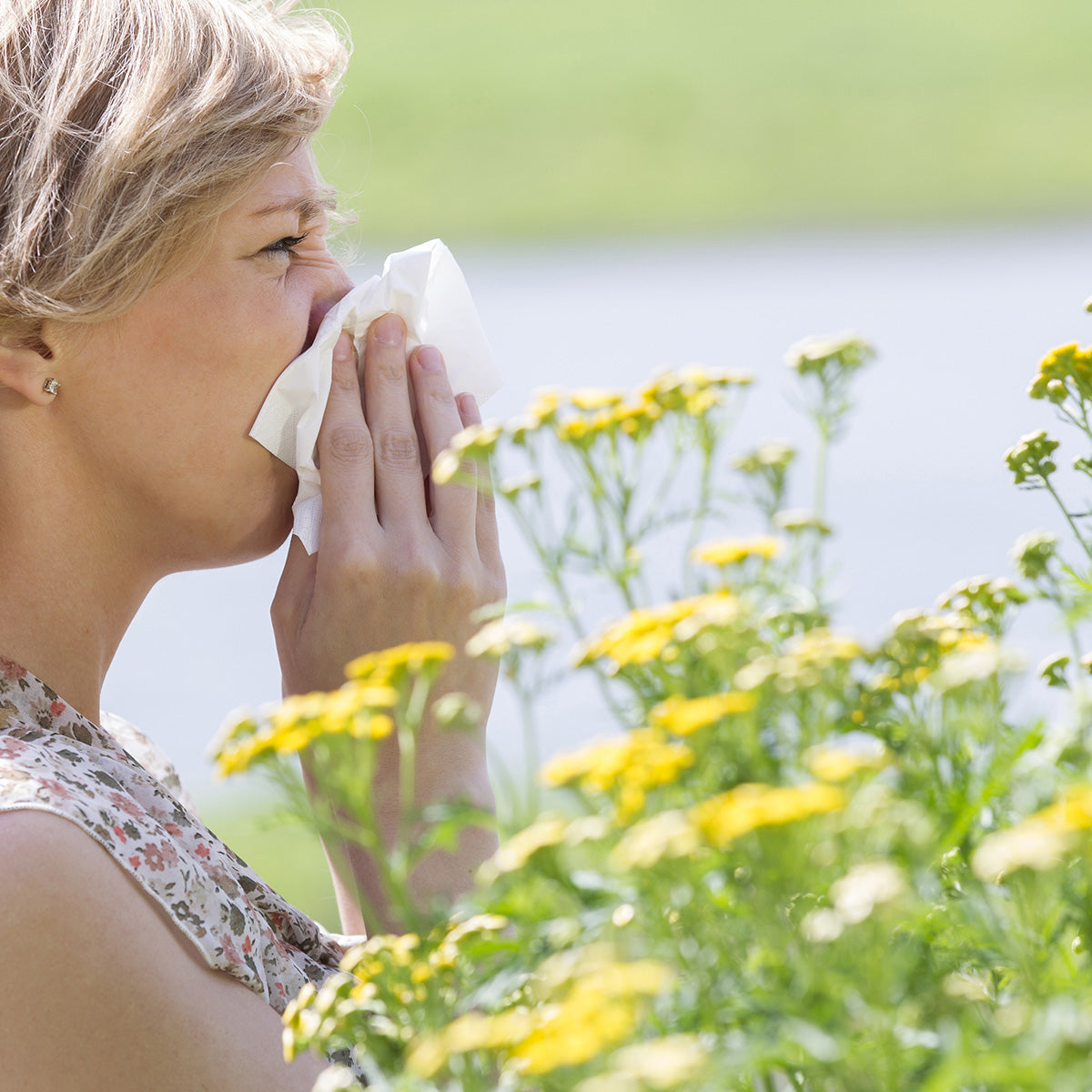


Pollen may be tiny, but its impact on daily comfort can feel anything but small. For many people, pollen and allergens trigger sneezing, congestion, and itchy eyes that disrupt routines and rest.
With the right knowledge and tools, you can create a more comfortable indoor space during peak pollen season. Whether it’s adopting simple habits or using an air purifier, small changes can help reduce airborne allergen exposure and support clean air at home.
What Is Pollen?
Pollen is a fine, powdery substance released by plants as part of their natural reproductive cycle. Trees, grass, and weeds produce pollen grains that travel through the air to fertilize other plants. While essential for ecosystems, these particles are a major source of pollen and allergens for many households.
When inhaled, pollen can trigger immune responses that lead to allergy symptoms. Because pollen grains are lightweight, they can easily travel indoors and mix with other airborne irritants. This combination of pollen and allergens can quickly affect indoor comfort if not managed properly.
When Is Pollen Season?
Pollen season varies depending on location, but it typically follows a seasonal pattern. Tree pollen appears in early spring, grass pollen in late spring and summer, and weed pollen in late summer through fall.
Weather plays a key role in pollen levels, with warm, dry, and windy days often increasing airborne particles. Staying aware of pollen season trends can help you plan ahead and reduce exposure when levels are highest.
Common Sources of Pollen
Pollen comes from a variety of plants, but certain types are more likely to contribute to pollen and allergens in the air.
- Trees: Birch, oak, ash, and alder are the main tree pollen sources in the UK, typically releasing from February to May
- Grasses: Timothy, ryegrass, and meadow grass are the most common grass pollens in the UK, peaking from May to July
- Weeds: Nettle, dock, and mugwort are the most common weed allergens in the UK, present from June through to September
- Flowers: Some flowering plants can also add to airborne pollen levels
These sources can vary in intensity depending on your region and the time of year. Being aware of which plants are most active can help you better anticipate and manage your exposure.
How Pollen Spreads
Pollen spreads primarily through the air, carried by wind over long distances. Because pollen grains are so small, they can remain suspended and travel far from their source. This makes it easy for pollen and allergens to affect areas even without nearby plants.
Once airborne, pollen settles on surfaces, clothing, and skin, making it easy to bring indoors. It can also enter through open windows or attach to pets and shoes.
How To Minimize Pollen Exposure
Reducing exposure to pollen and allergens starts with simple, consistent habits. While it’s impossible to avoid pollen entirely, small changes can significantly limit how much enters your everyday spaces.
A balanced approach that combines outdoor awareness with managing indoor air quality is key. Using tools like an air purifier designed to filter pollen alongside practical habits can help create a more comfortable living space.
Outdoor Strategies
These tips help reduce direct contact with pollen during the day. By limiting how much pollen you bring back inside, you can better control indoor air quality.
- Check daily pollen forecasts: Checking daily pollen forecasts before you go outside can help you plan your time outdoors based on current pollen levels. On high-count days, you can choose to limit exposure or adjust activities.
- Avoid outdoor activities during peak pollen times: Peak pollen times, such as early mornings or windy days, can increase your exposure to allergens. Plan activities later in the day to help minimize contact with airborne irritants.
- Wear sunglasses and hats: Sunglasses and hats can help block pollen from reaching your eyes and settling in your hair. This added layer of protection reduces direct contact with airborne particles.
- Shower and change clothes after returning indoors: This can help remove pollen from your skin, hair, and fabrics, preventing pollen from spreading throughout your home and settling on surfaces. It’s an easy step that supports a cleaner indoor environment.

Indoor Strategies
Maintaining your indoors helps reduce the buildup of pollen and allergens over time. Consistent filtration and cleaning can make a noticeable difference in everyday comfort.
- Keep windows and doors closed during high pollen days: Closing windows and doors helps prevent pollen from entering your home and settling on surfaces. This reduces the amount of airborne pollen that can circulate indoors.
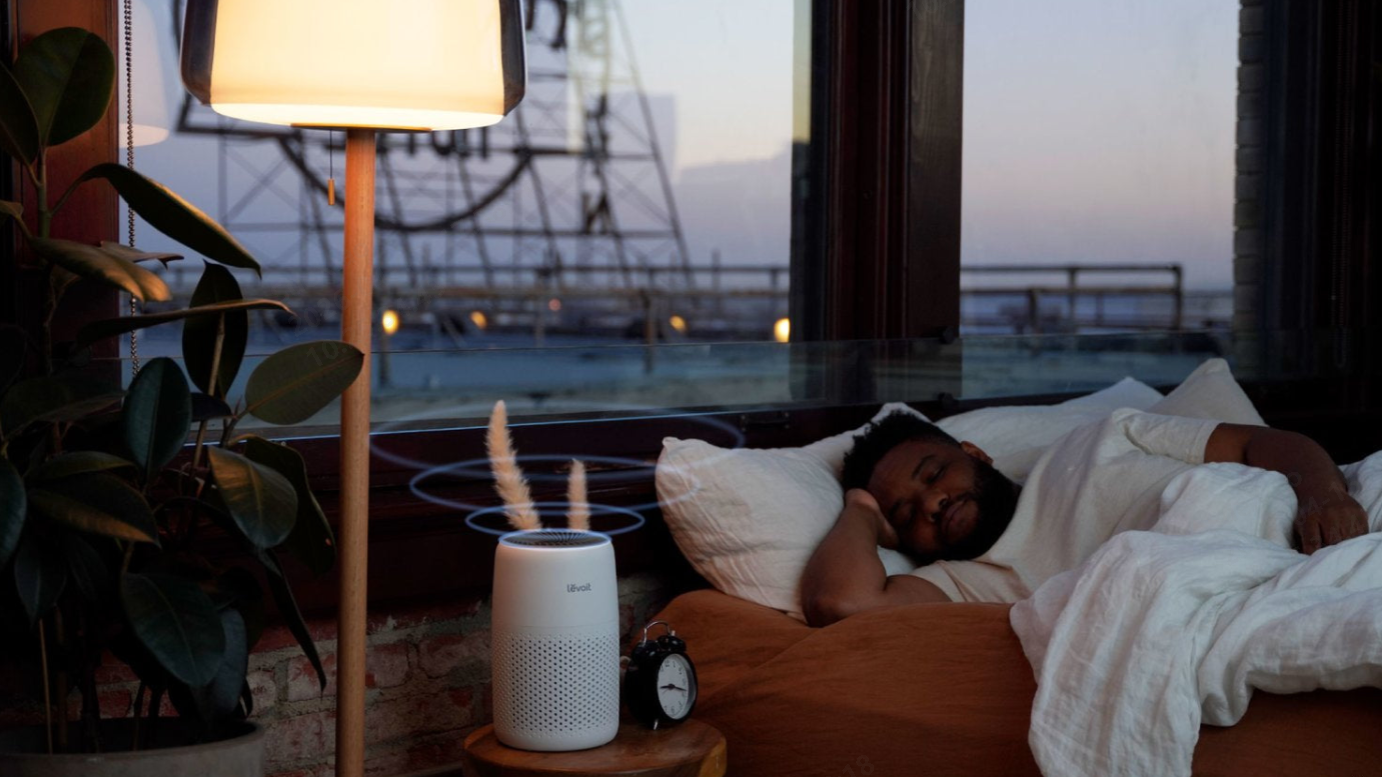
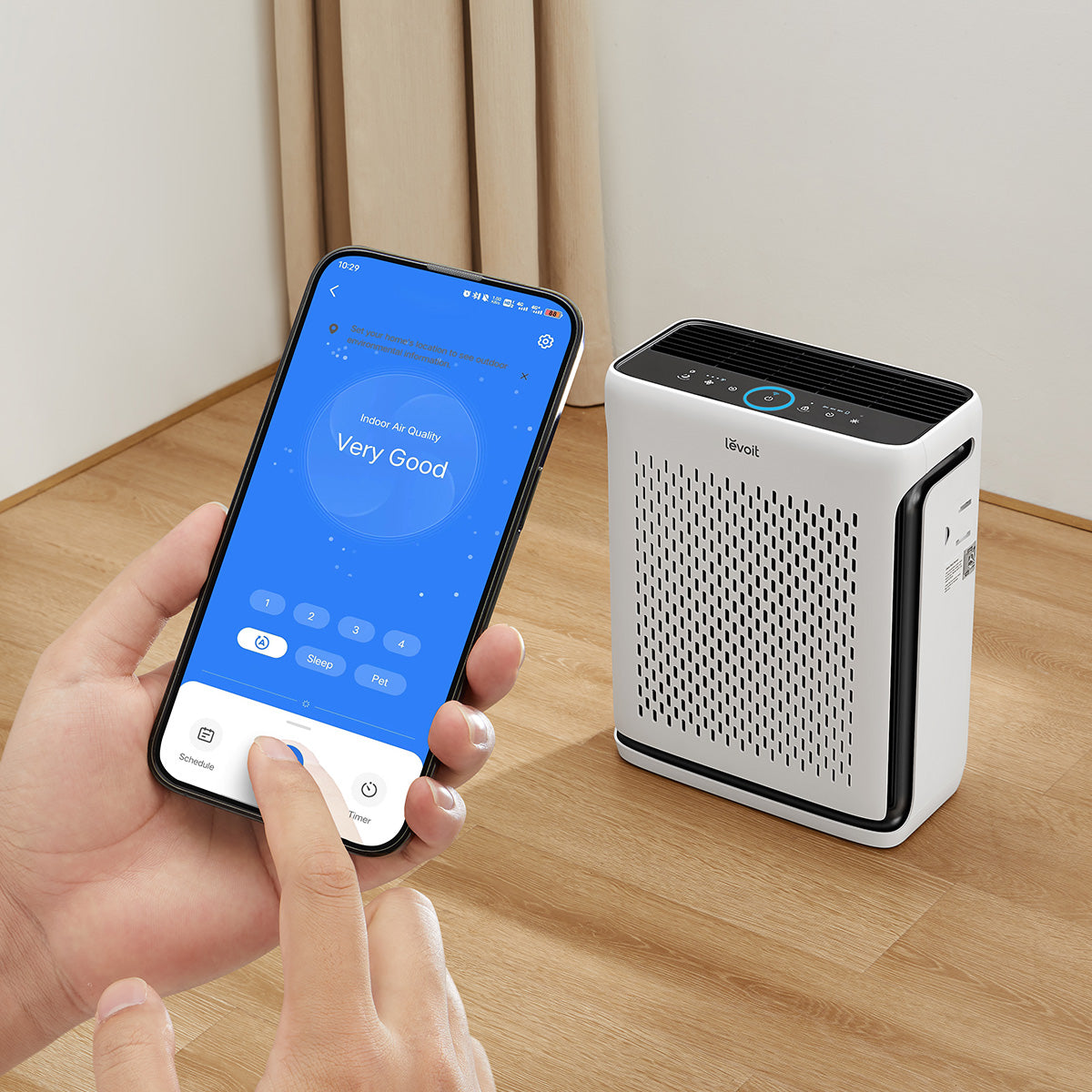
- Use an air purifier designed to filter pollen: An air purifier helps capture airborne particles before they circulate throughout your space. Placing it in high-traffic areas like bedrooms or living rooms can support consistent, clean air.
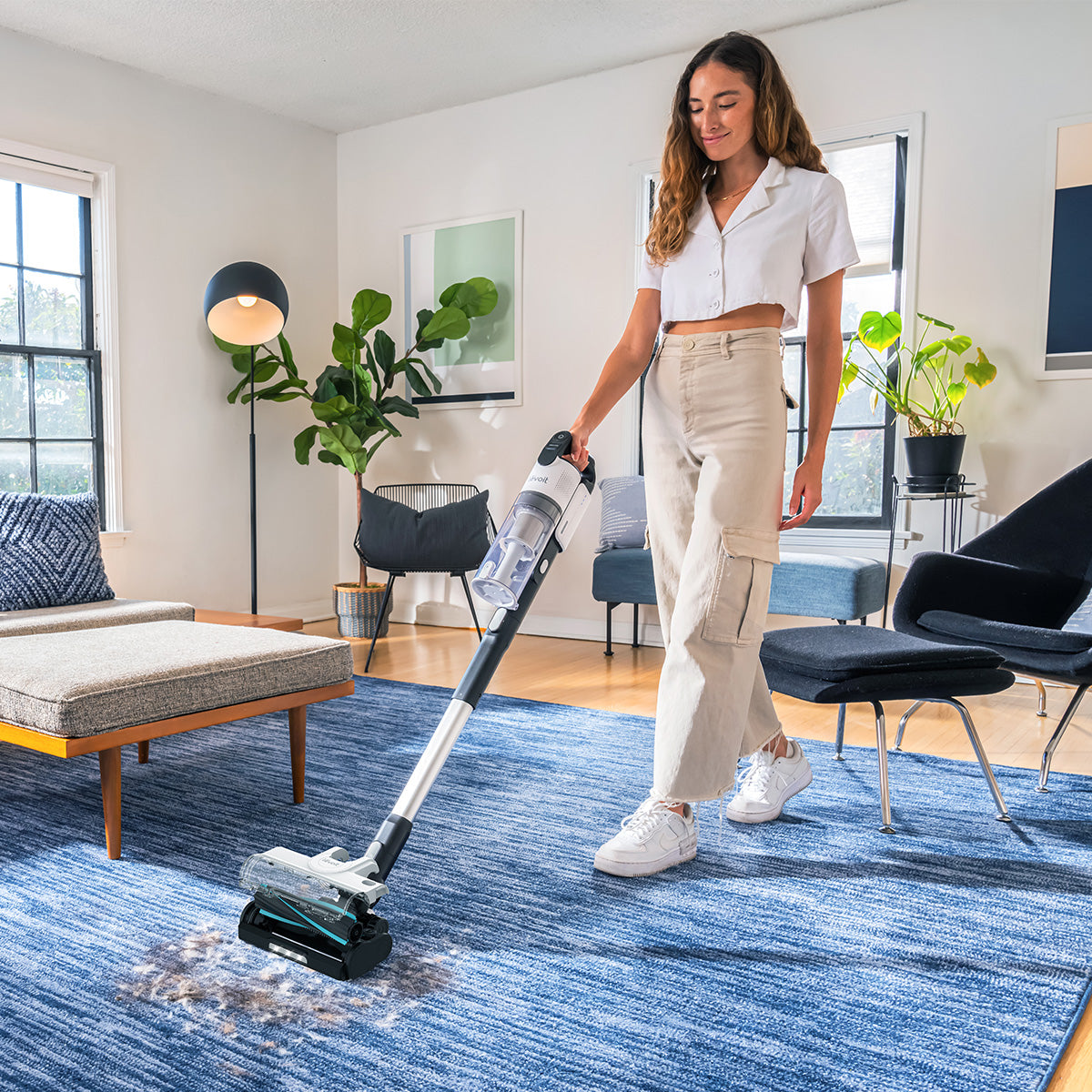
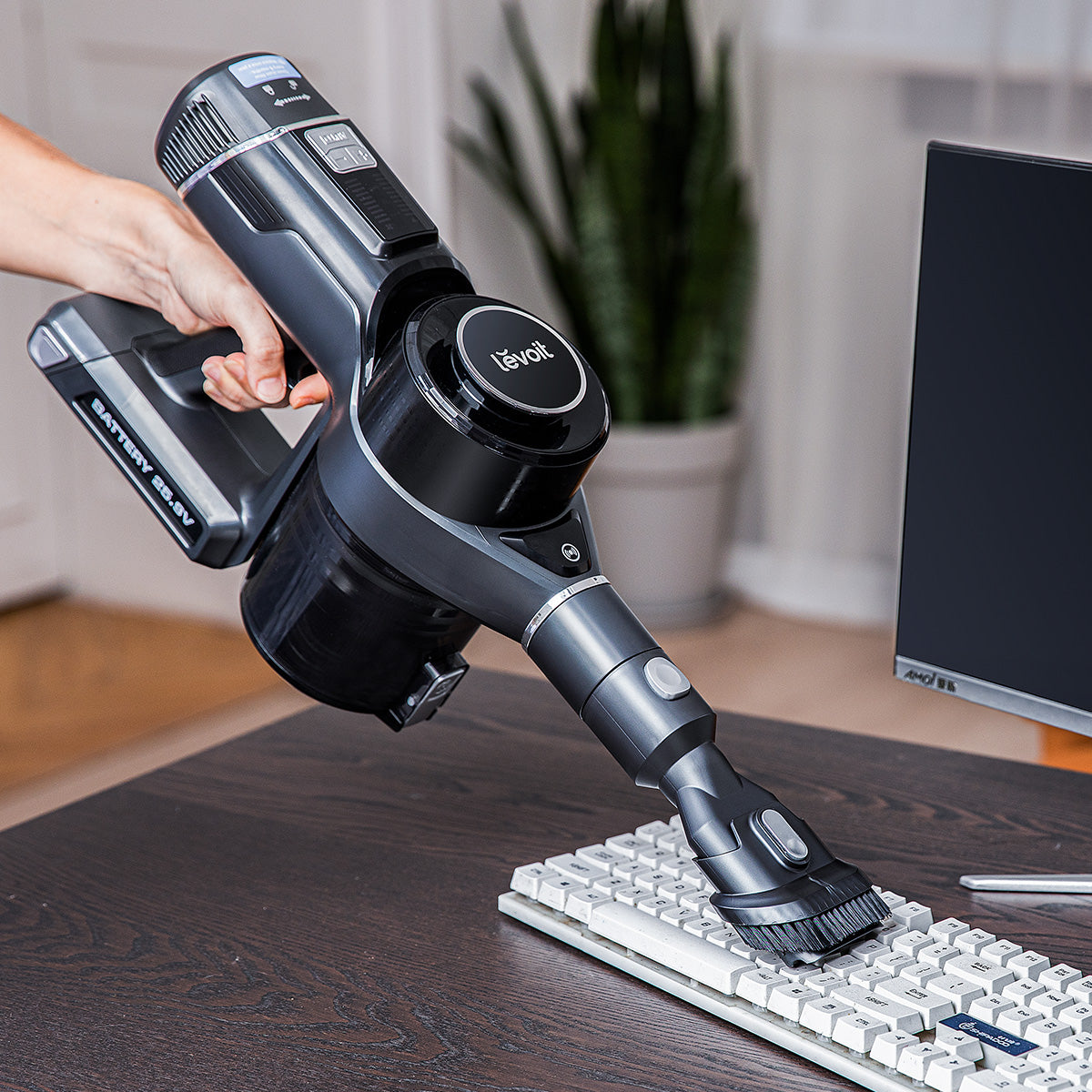
- Vacuum frequently with HEPA-equipped vacuums: A vacuum with a HEPA filter helps trap fine particles like pollen instead of releasing them back into the air. Regular cleaning prevents buildup in carpets, rugs, and upholstery where allergens can accumulate.
- Clean surfaces regularly: Pollen can settle on surfaces like furniture, shelves, and floors throughout the day. Wiping down these areas helps remove particles before they become airborne again.
Additional Tips
Washing bedding regularly, grooming pets, and avoiding outdoor drying of clothes can all help reduce pollen buildup. These small actions prevent allergens from accumulating indoors.
Staying mindful of daily routines can also improve overall comfort. Simple adjustments can help create a more balanced and breathable environment.
How an Air Purifier Can Help
An air purifier is designed to capture airborne particles, such as pollen, before they settle on surfaces or are inhaled. With high-efficiency filtration, these devices can help reduce the presence of pollen and allergens indoors. This supports a clean, fresh home environment.
When selecting a purifier, features like AHAM Pollen CADR, or Clean Air Delivery Rate, can indicate how effectively it filters pollen. CADR measures how quickly an air purifier can filter specific pollutants, like pollen, from the air in a given space.
A higher CADR rating means faster removal of airborne particles, making it easy to maintain clean air during allergy season.
Reduce Indoor Pollen Levels
Air purifiers designed for pollen use high-efficiency filters to capture fine airborne particles before they settle on surfaces. By continuously cycling air through the filter, they help lower the overall concentration of pollen and allergens indoors.
This is especially helpful during peak pollen season when outdoor levels are high. With regular filtration, indoor air can feel noticeably fresh.
Improve Overall Air Quality
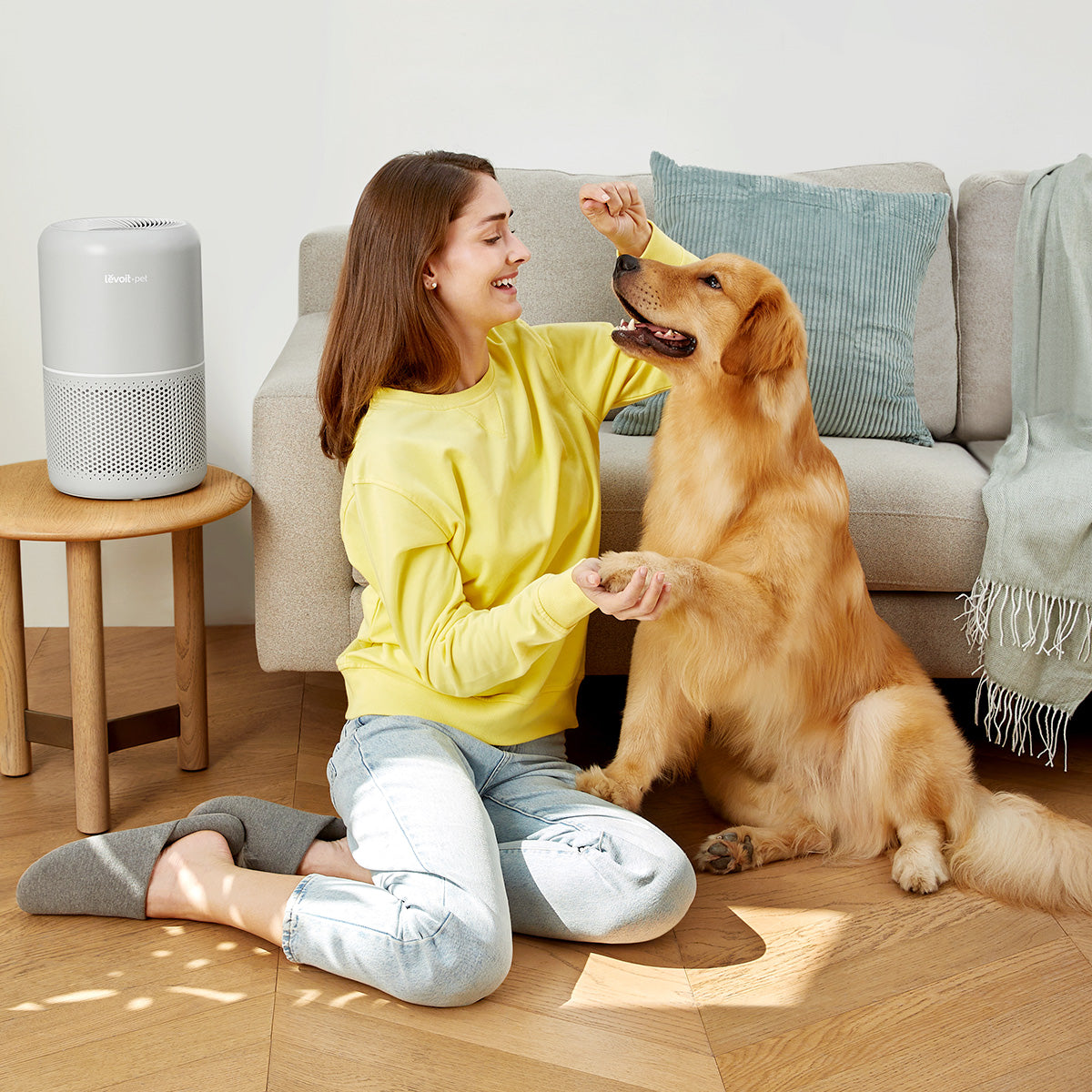
Air purifiers can help reduce other common airborne particles like dust, pet dander, and smoke. Using an air purifier continuously throughout the day helps maintain consistent air quality throughout your space. It reduces the buildup of unwanted particles, making your home feel fresher.
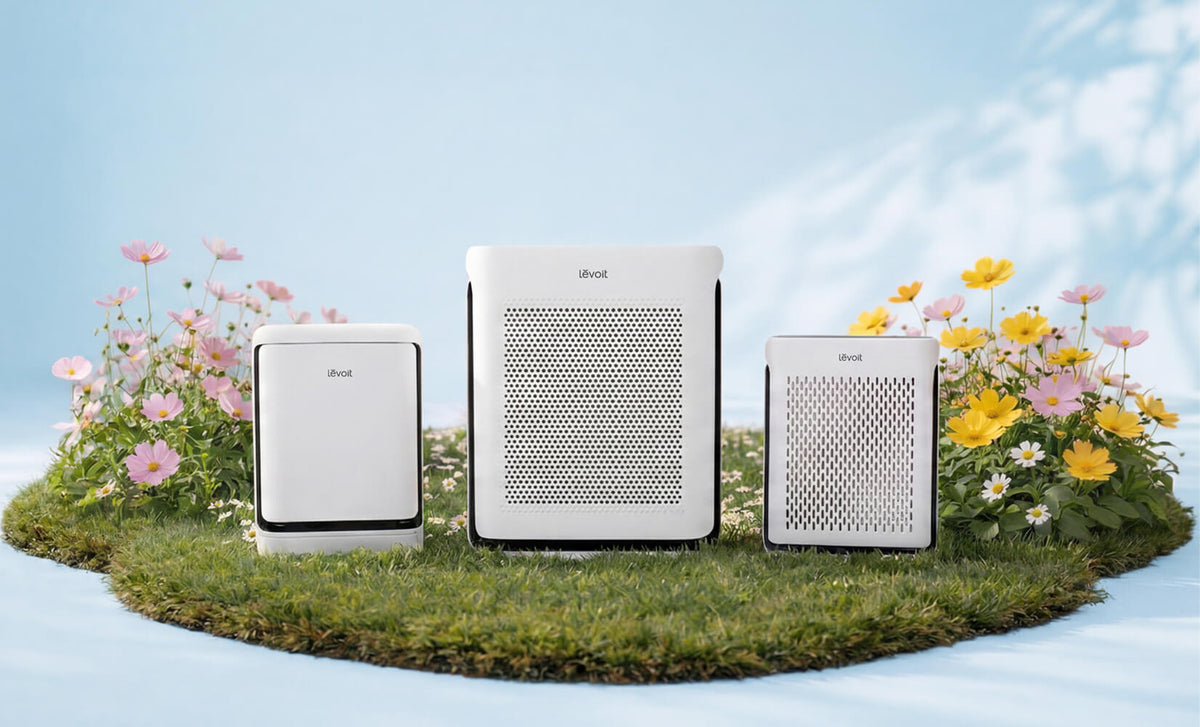
Recommended Products: Levoit Core® 300S-P and Levoit Vital 100S-P
For effective daily use, Levoit Core 300S and Levoit Vital 100S are designed to help manage pollen and allergens indoors. Both models feature advanced filtration systems that capture fine airborne particles.
Levoit Core® 300S Smart Air Purifier offers a balance of performance and convenience for managing pollen and allergens at home. It features 3-stage filtration that traps fine airborne particles, helping to reduce pollen and allergens for clean indoor air. With smart features, you can create schedules and set timers through the VeSync app.
The Vital 100S Air Purifier also features 3-stage advanced filtration and is well-suited for spring and pet allergens. It’s built for effective whole-room air purification, making it a strong choice for managing pollen and allergens in larger or busier spaces. Plus, its U-shaped air inlet captures pet hair and larger particles.
Enjoy Clean Air This Pollen Season
Creating a home with fewer pollen and allergens doesn’t require major changes, just consistent habits and the right tools. By combining outdoor awareness, indoor cleaning, and effective air purification, you can significantly reduce exposure.
With thoughtful adjustments, even during pollen season, a clean indoor environment is within reach.
FAQ
Can indoor air purifiers really reduce pollen?
Yes, an air purifier can capture airborne particles and help reduce indoor pollen levels. While it won’t eliminate all allergens, it can significantly lower exposure.
When is pollen season?
In the UK, pollen season typically begins in February with tree pollen (particularly hazel and alder), peaks in spring with birch and oak, then transitions to grass pollen from May through July, and weed pollen through to September. The exact timing varies by region and year.
When is pollen season over?
Pollen levels usually drop after the first hard frost in many regions. However, pollen and allergens can still linger indoors without proper cleaning and filtration. So while outdoor pollen may decrease, indoor exposure can continue without proper air care management.
The information provided here is for informational and educational purposes only and should not be used in medical emergencies or for diagnosing or treating any medical condition. It's crucial to consult a licensed medical professional for diagnosis and treatment. External links are for informational purposes and do not constitute endorsements. No warranty of any kind, either expressed or implied, is made as to the products and/or the accuracy, reliability, timeliness, or correctness of the information provided herein.