








Your skin faces more than just daily stress. It’s constantly exposed to environmental factors like dry air and pollution. Whether it’s air-conditioned indoor spaces or smog-filled city air, these elements can strip your skin of moisture, affect its natural moisture balance, and lead to dryness, sensitivity, and even premature aging.
That’s why building a thoughtful skincare routine for dry skin is essential. And it’s more than applying products. It’s about combining prevention with consistent care. From hydration to environmental protection, a well-rounded approach helps your skin stay resilient and balanced.
Tip 1: Hydrate Your Skin Internally & Externally
Hydration is the foundation of any effective skincare routine for dry skin. To truly support your skin, focus on both external and internal hydration.
External Hydration: Lock in Moisture That Lasts
Start with gentle, moisture-rich products that replenish and protect your skin without stripping it. Look for these hydrating ingredients:
- Hyaluronic acid draws in moisture
- Glycerin maintains hydration
- Ceramides strengthen the skin barrier and reduce water loss
These ingredients work together to keep your skin smooth, plump, and resilient.
Layering matters too. Begin with a lightweight hydrating toner, followed by a serum that delivers concentrated moisture. Finish with a nourishing lotion or cream to seal everything in. With this layering method, you’ll lock in hydration and prevent moisture from evaporating throughout the day, especially in dry or polluted environments.
Internal Hydration: Nourish Your Skin From Within
What you consume plays a major role in your skin’s condition. Drink plenty of water daily, and include water-rich foods like cucumbers, oranges, and pears in your diet. These help maintain hydration from within and support overall skin function.
Beyond water intake, consider incorporating healthy fats like avocados, nuts, and seeds into your meals. These foods can support your skin’s lipid barrier, helping it retain moisture more effectively. Herbal teas and electrolyte-rich drinks can also be helpful, especially if you spend time in dry or climate-controlled environments that accelerate dehydration.
Support a Balanced Environment
If you spend a lot of time in dry environments, especially in air-conditioned rooms, your space can start to feel less comfortable over time. Air conditioning often removes moisture from the air, which can leave the environment feeling overly dry and less inviting. Incorporating a humidifier into your routine can help restore that missing balance.
Maintain indoor humidity levels between 30–50% for skin comfort. Balanced humidity levels support a more comfortable, hydrated feel throughout your home. It can also help create a more consistent indoor environment, so the air doesn’t feel too dry or too heavy at different times of the day.

Tip 2: Use a Protective Barrier Cream
Pollution can clog pores and trigger irritation, especially when your skin barrier is already compromised by dryness. A good barrier cream helps reduce direct exposure while also supporting hydration.
What To Look For
When choosing a barrier cream, look for ingredients that support both protection and hydration, such as ceramides, squalane, or niacinamide. These help strengthen the skin barrier while maintaining moisture balance.
Opt for formulas that feel lightweight and comfortable on the skin, rather than thick or greasy, to avoid buildup that can contribute to clogging.
How To Apply
Apply the barrier cream as the final step in your morning routine to seal in hydration and create a shield before environmental exposure. If you’re spending extended time outdoors or in high-pollution areas, reapply as needed, especially after sweating or wiping your face, to maintain consistent protection throughout the day.
Finally, always cleanse thoroughly at night. Leaving barrier products and pollutants on your skin overnight can lead to buildup and irritation.
Tip 3: Choose Gentle Cleansers
When it comes to your skincare routine, more isn’t always better. That’s especially true with cleansing. Over-cleansing or using harsh products can strip your skin of natural oils. This weakens the skin barrier, reduces moisture retention, and makes your skin more vulnerable to environmental stressors.
Instead, cleanse your face 1–2 times per day using a gentle, non-stripping cleanser. Amino acid-based cleansers are a great option, as they clean effectively without disrupting your skin’s balance. Also, avoid scrubbing or using hot water, as both can further irritate and dry out your skin.
On days with high pollution levels, try double cleansing. Start with a cleansing oil or micellar water to remove surface pollutants, then follow with your regular cleanser to ensure your skin is fully clean without overdoing it.
Tip 4: Nourish Your Skin With Antioxidants
Environmental pollutants generate free radicals, unstable molecules that can damage skin cells and accelerate aging. That’s where antioxidants come in. Antioxidants help neutralize free radicals, protecting your skin from damage and supporting a stronger, more resilient barrier.
Look for skincare products that include ingredients such as:
- Vitamin C
- Vitamin E
- Coenzyme Q10
- Green tea extract
These are powerful additions to any skincare routine for dry skin. Apply antioxidant serums in the morning, followed by a moisturizer. This combination provides protection and hydration, which are key to maintaining balanced skin in polluted environments.
You can also support your skin through diet. Foods like blueberries, spinach, and nuts are rich in antioxidants and help defend your skin from within.

Tip 5: Adjust Lifestyle Habits
Your daily habits have a direct impact on your skin’s condition. Small, consistent adjustments can help protect against dryness, irritation, and environmental damage over time.
Taking a more balanced approach—both indoors and outdoors—can support your skin barrier and enhance the effectiveness of your skincare routine.
Reduce Environmental Stressors
Limit time spent in overly dry or enclosed spaces when possible, especially those with constant air conditioning or heating. These environments can accelerate moisture loss and leave your skin feeling tight and dehydrated.
When you can, open windows to improve airflow and bring in fresh air. Even small changes in ventilation can help create a more skin-friendly environment.
Be Mindful Outdoors
On days with heavy smog, pollution, or strong winds, try to reduce prolonged outdoor exposure. These conditions can weaken your skin barrier and increase sensitivity, especially if your skin is already dry.
If you do need to be outside, wearing a hat can help minimize direct contact with pollutants and harsh air. Pairing this with protective skincare can further reduce environmental impact.
Practice Moderation
Avoid over-exfoliating or using strong ingredients too frequently. While exfoliation can be beneficial, too much can disrupt your skin barrier and make it more vulnerable to dryness and irritation.
Give your skin time to recover between treatments. A gentle, consistent routine is far more effective than aggressive or frequent product use when it comes to maintaining hydrated skin.
Common Mistakes To Avoid
Even with the best intentions, certain habits can undermine your efforts to protect and hydrate your skin. Being aware of these common mistakes can help you maintain a more balanced and effective routine.
- Skipping moisture-locking steps: Applying hydrating products without sealing them in can lead to quick moisture loss and ongoing dryness
- Over-cleansing the skin: Washing too frequently or using harsh cleansers can strip natural oils and weaken the skin barrier
- Over-exfoliating: Using exfoliants too often can cause irritation, sensitivity, and increased vulnerability to environmental damage
- Using overly heavy or harsh products: Thick, pore-clogging creams or strong actives can disrupt balance and lead to congestion or irritation
Tip 6: Improve Your Indoor Air Quality
Your indoor environment plays a bigger role in your skin than you might think. Dry air and indoor pollutants like dust, volatile organic compounds (VOCs), and fine particles can irritate your skin and strip away moisture.
Refresh Your Air With an Air Purifier
Using an air purifier can help remove indoor airborne pollutants and allergens, creating a clean environment for your skin. This is especially helpful in urban areas or during seasons with higher pollution levels.
For the best results, place your air purifier in high-traffic areas like the living room or near your bed, or wherever you spend the most time.
The Ideal Combination
Pairing an air purifier with an evaporative humidifier can create a more balanced and skin-friendly indoor environment.
While an air purifier works to remove airborne pollutants like dust, allergens, and fine particles, a humidifier adds necessary moisture back into the air, helping counteract the drying effects of air conditioning, heating, and low-humidity conditions.
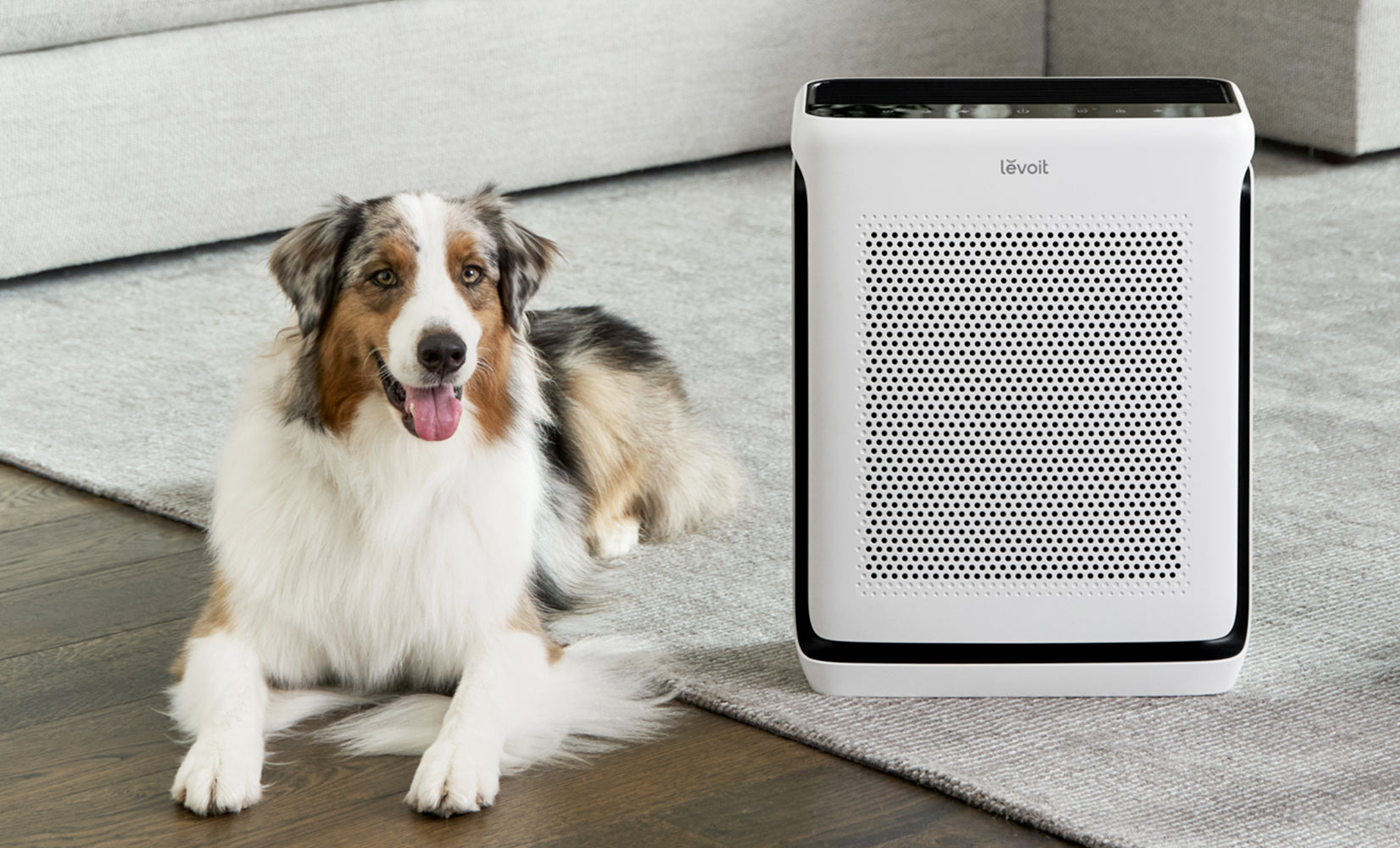
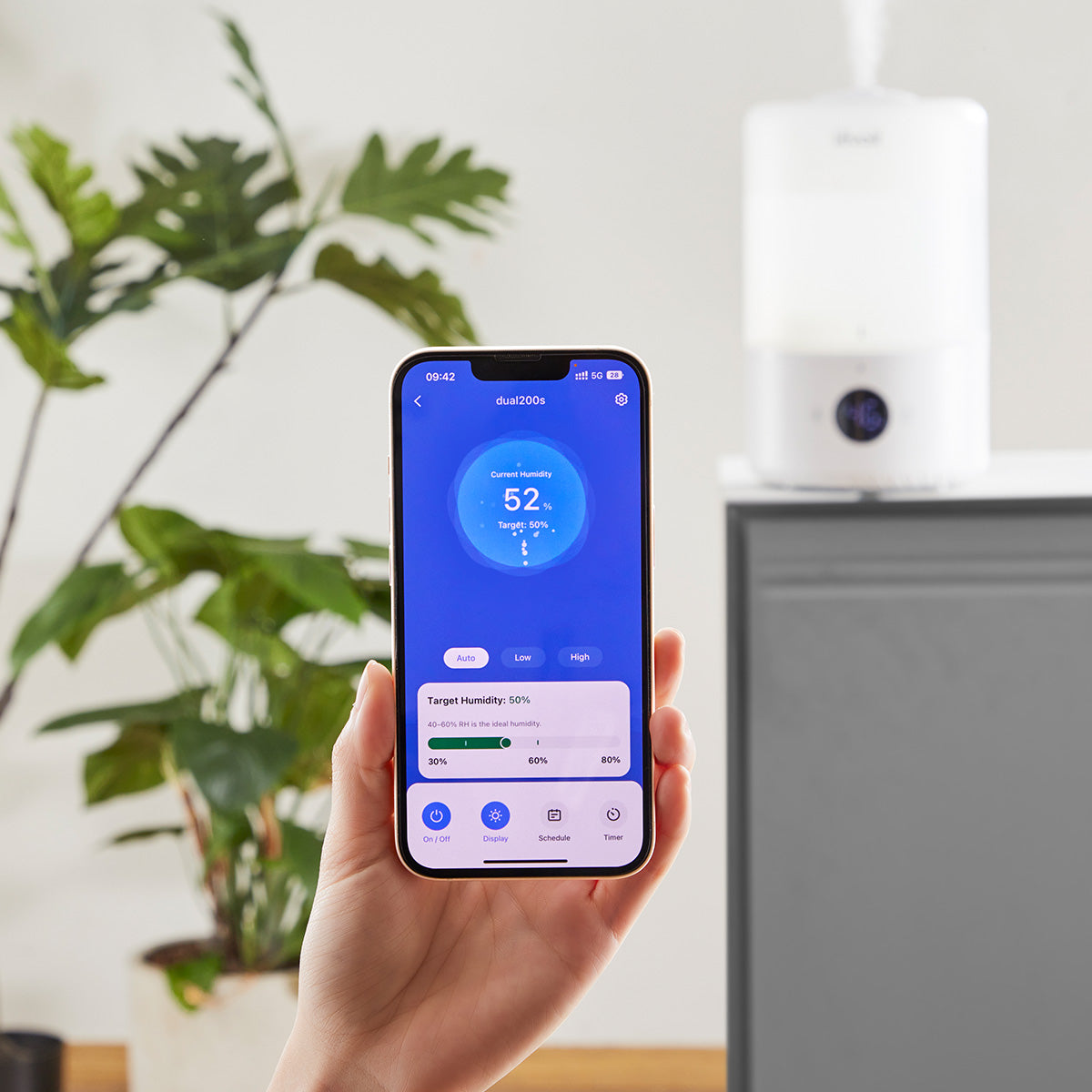
For instance, Levoit Core® 300 Air Purifier uses a powerful multi-stage filtration system to capture irritants circulating in your indoor space, while Levoit OasisMist Smart Humidifier delivers rapid cool and warm mist humidification with smart app control and ultra-quiet operation for a fresher, more comfortable space.
Strong Skin, Every Day
Dry air and pollution can take a serious toll on your skin. The good news is that with the right combination of daily care and environmental awareness, you can help protect and strengthen your skin barrier.
Building a consistent skincare routine for dry skin is key and so is building a comfortable environment around you. Creating a clean, more balanced indoor space can make a noticeable difference in how your skin looks and feels day to day. Thoughtfully designed solutions, like Levoit air purifiers and humidifiers, can help support clean air and balanced humidity, which can play a factor in skin comfort.
Think of skincare as a long-term investment. Start small, stay consistent, and let your routine work for you.
Works Cited
Abdollahi, H., Ghanbarlou, S., Babapoor, A., Yari Kalashgarani, M., Valadez, I., Zarrintaj, P., & Davachi, S. M. “Surfactant-containing detergents: Impacts on dermal health. "
Boonpethkaew, S., Charoensuksira, S., Meephansan, J., Sirithanabadeekul, P., Chueachavalit, C., Ingkaninanda, P., Visedthorn, S., Chanchaem, P., Sivapornnukul, P., & Payungporn, S. “The influence of air pollution on skin microbiome: A link to skin barrier dysfunction.”
Budzianowska, A., Banaś, K., Budzianowski, J., & Kikowska, M. “Antioxidants to defend healthy and youthful skin—Current trends and future directions in cosmetology.”
Rajput, M., & Maibach, H. “Pollutant-induced human skin barrier damage.”
The information provided here is for informational and educational purposes only and should not be used in medical emergencies or for diagnosing or treating any medical condition. It's crucial to consult a licensed medical professional for diagnosis and treatment. External links are for informational purposes and do not constitute endorsements. No warranty of any kind, either expressed or implied, is made as to the products and/or the accuracy, reliability, timeliness, or correctness of the information provided herein.