

Dust mites may be too small to see, but they can have a big impact on your indoor environment. These microscopic pests thrive in household dust and are a common trigger for allergy symptoms like sneezing, congestion, itchy eyes, and for some people, asthma flare-ups.
The good news? While it's impossible to eliminate dust mites completely, you can significantly reduce their numbers with a few consistent cleaning habits. Here are 10 practical tips to help you get rid of dust mites and create a cleaner home.
What are Dust Mites?
First, we should talk about what dust mites are. They’re microscopic relatives of spiders and ticks that feed on dead skin cells. They thrive in warm, humid environments and are commonly found in bedding, mattresses, upholstered furniture, carpets, and other soft furnishings. While they don't bite, their waste particles and body fragments can become airborne and trigger allergic reactions in sensitive individuals.
What Problems Do Dust Mites Cause?
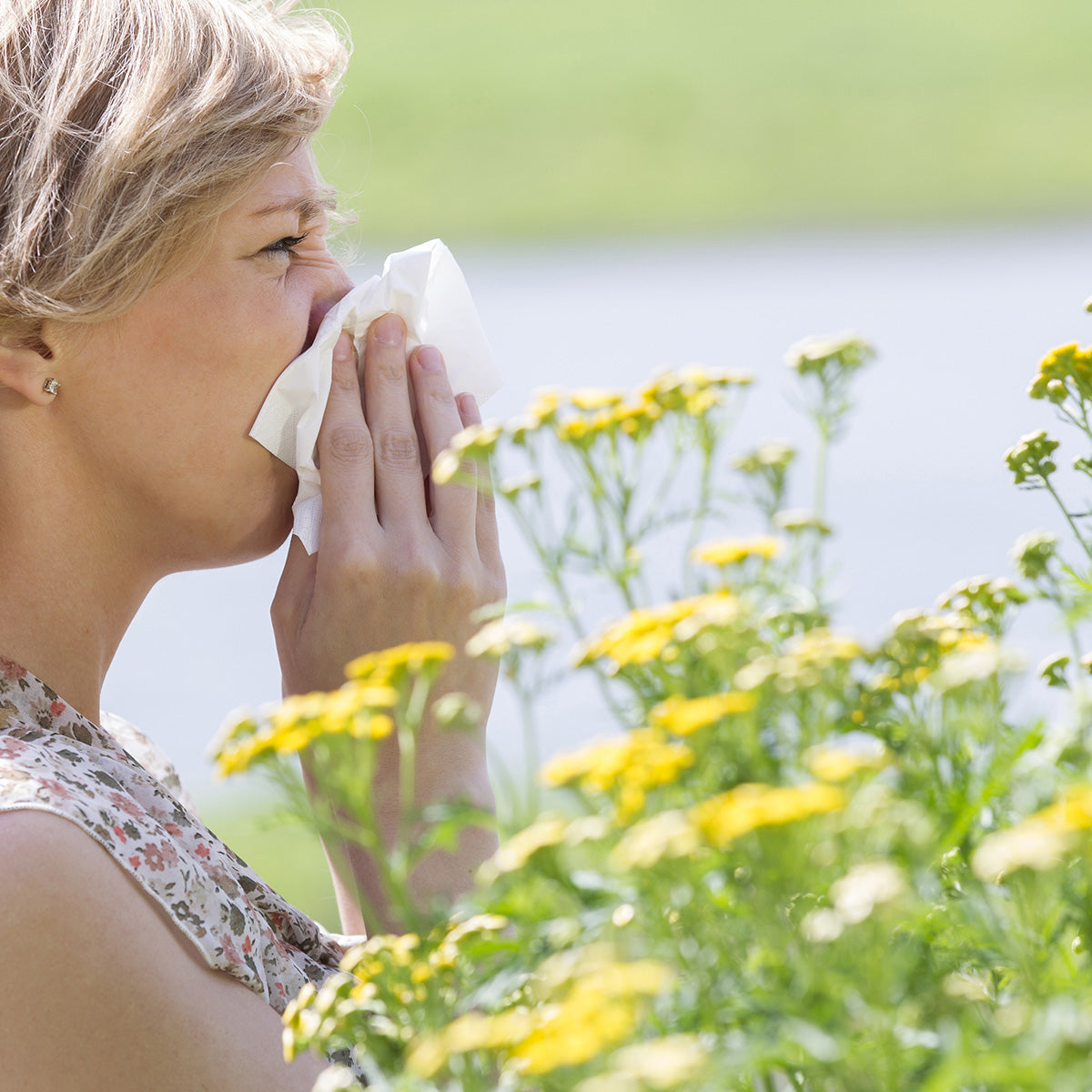
Dust mite allergens can affect anyone, but they're especially troublesome for people with allergies or asthma. Common symptoms include:
- Sneezing, runny or stuffy nose
- Itchy, watery eyes
- Dry, irritated skin or eczema flare-ups
- Wheezing or shortness of breath in people with asthma
Those most sensitive to dust mites include allergy sufferers, young children, people with asthma, and individuals prone to eczema. Because dust mites settle deep into soft furnishings, regular cleaning and air filtration are key to reducing allergen levels.
10 Tips to Get Rid of Dust Mites
1. Vacuum Weekly with a HEPA Filter Vacuum for Dust Mites
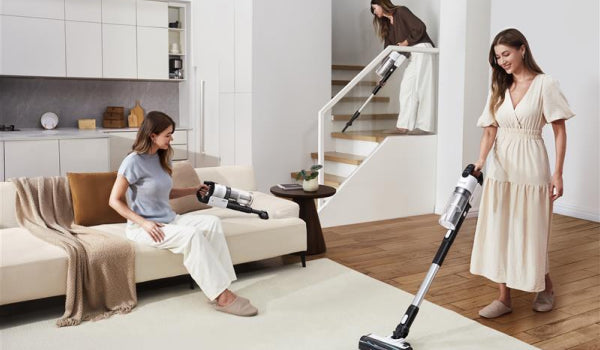
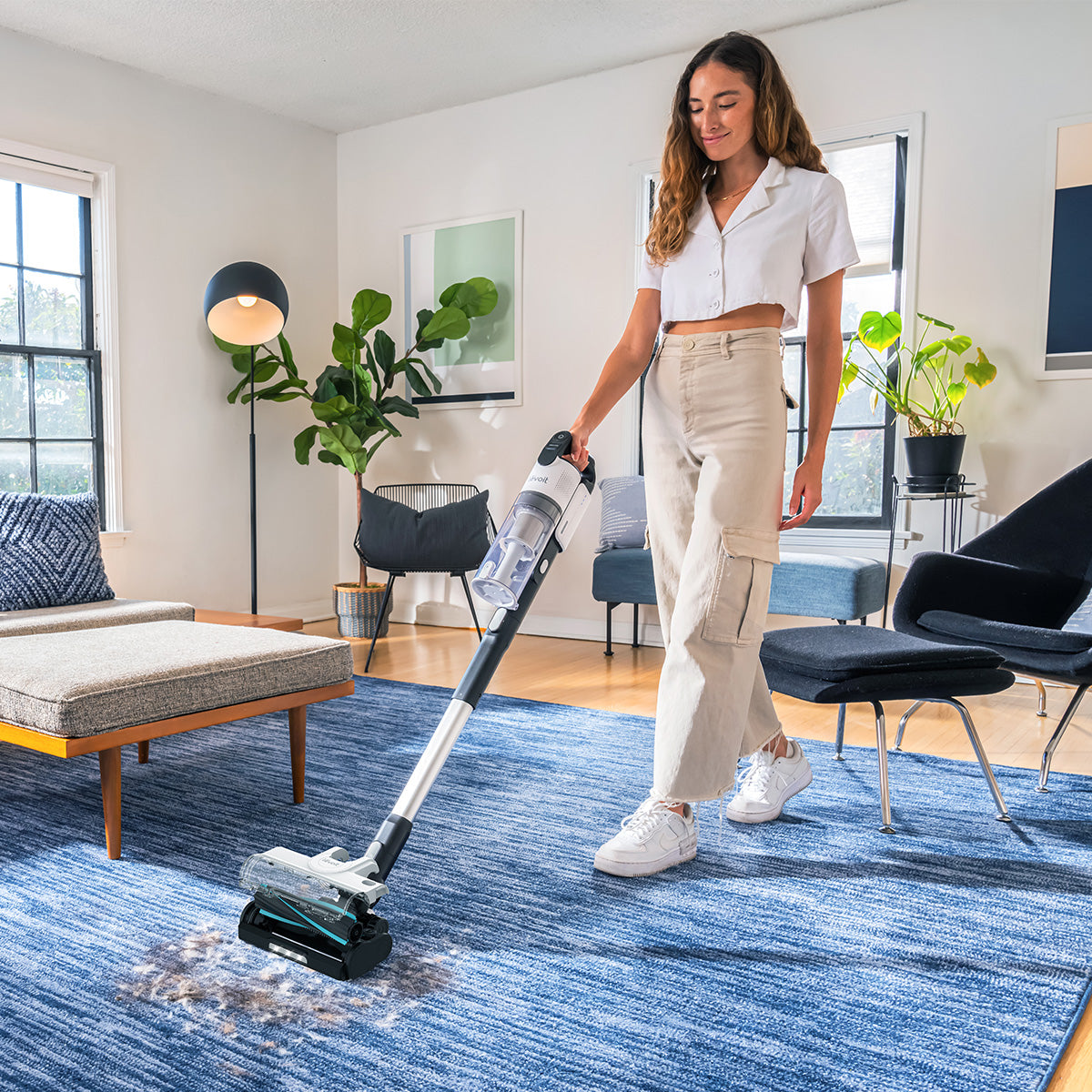
Regular vacuuming is one of the best ways to reduce dust mites. A vacuum with a HEPA filter captures fine particles that standard vacuums may release back into the air. Focus on mattresses, carpets, rugs, and upholstered furniture, and vacuum high-traffic rooms 2 to 3 times each week.

2. Deep-Clean Soft Furniture & Carpets
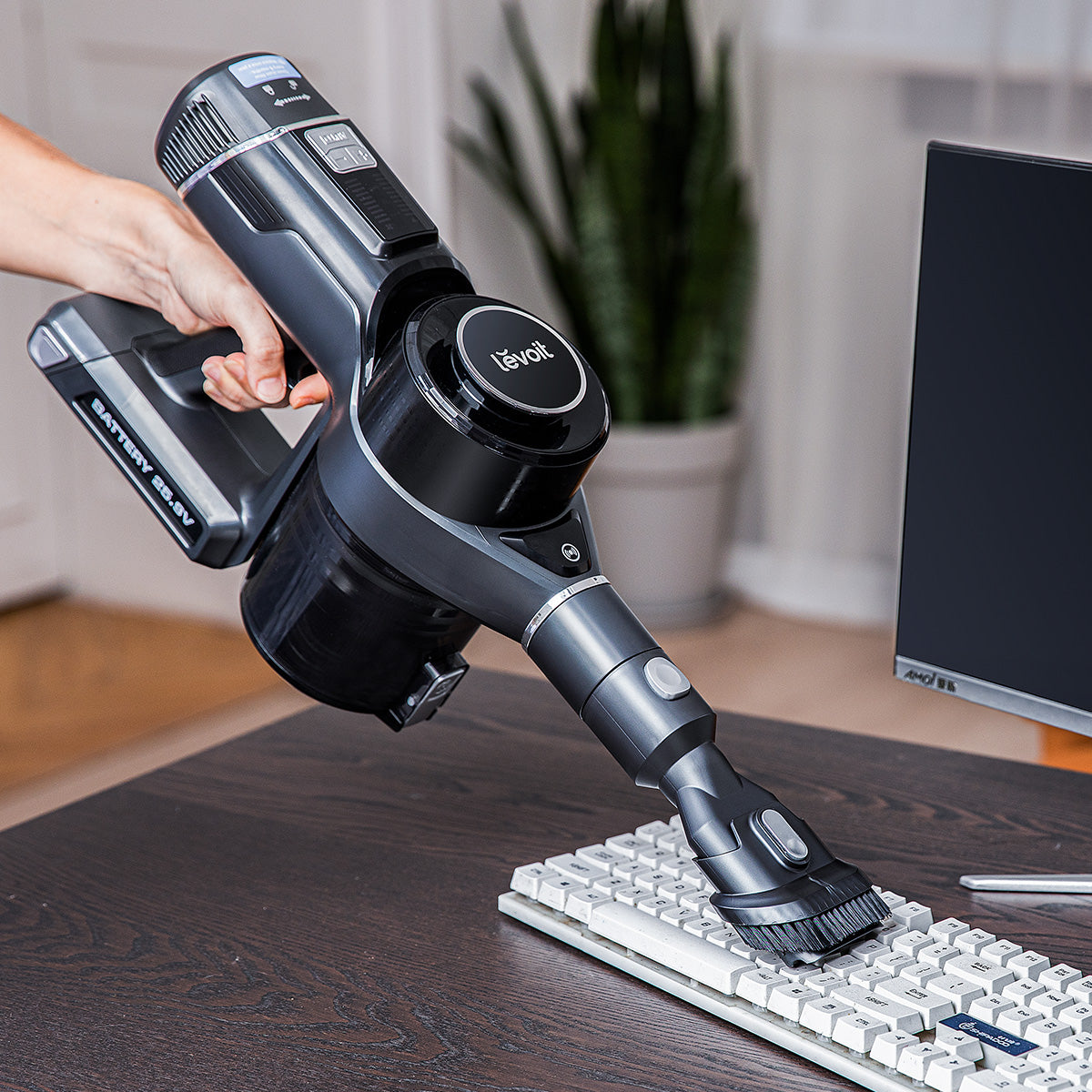
Dust mites settle deep into fabric fibers where skin cells and moisture collect. Deep-clean sofas, mattresses, rugs, and carpets regularly, and use upholstery attachments to reach seams, crevices, and other hard-to-clean areas.
3. Wash Bedding in Hot Water
Wash sheets, pillowcases, and duvet covers in hot water—at least 140°F (60°C)—to help remove dust mites and eggs. Cooler wash cycles may not be as effective.
4. Keep Indoor Humidity Below 50%
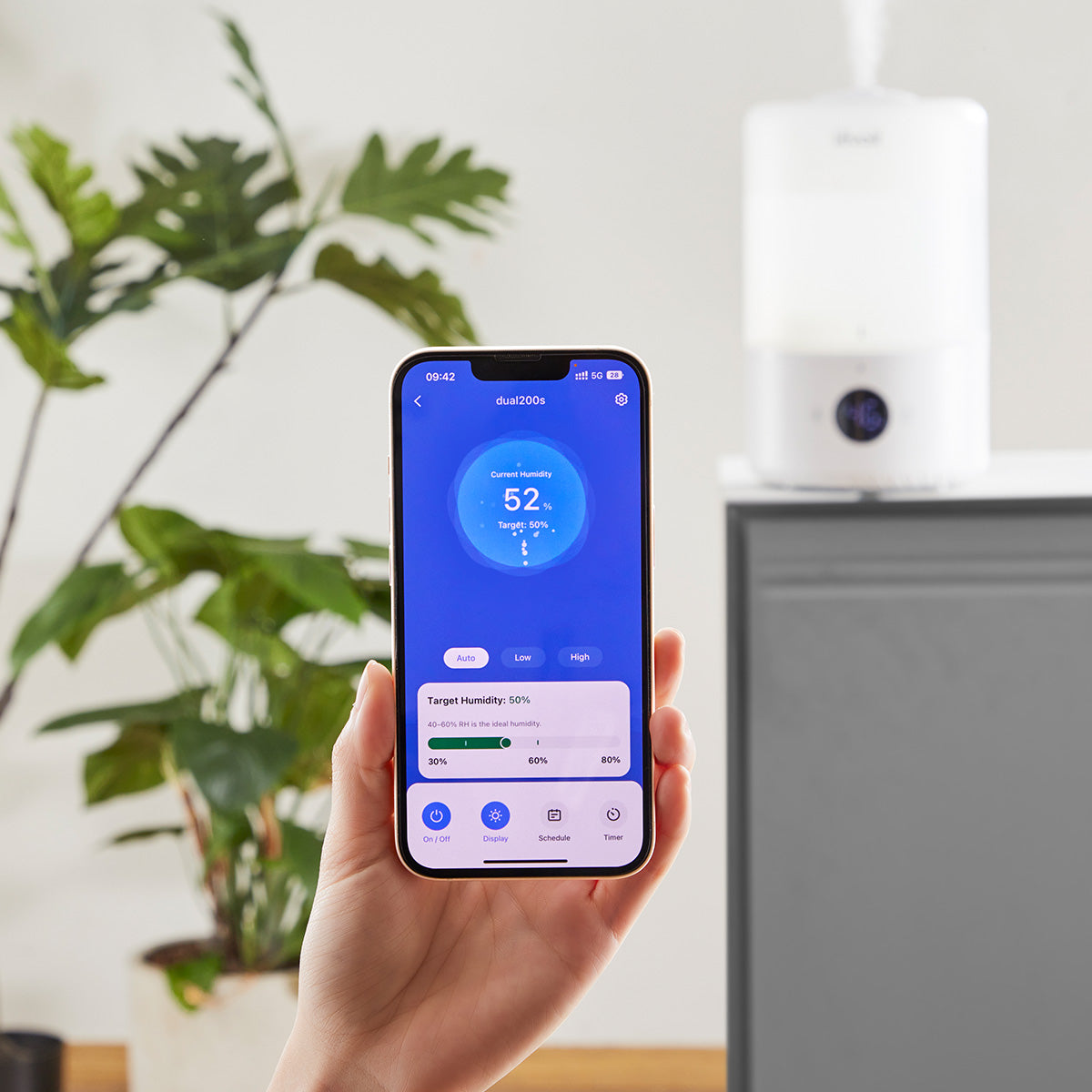
Dust mites thrive in humid conditions. Maintaining indoor humidity below 50% can help slow their growth. If your home tends to stay damp, especially during warmer months, using a dehumidifier can help.
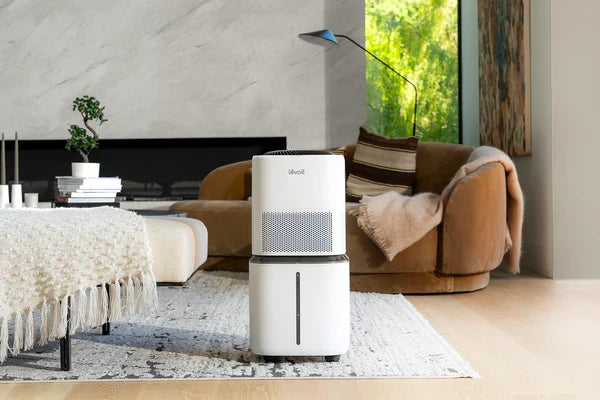
5. Use a HEPA Air Purifier for Dust Mites
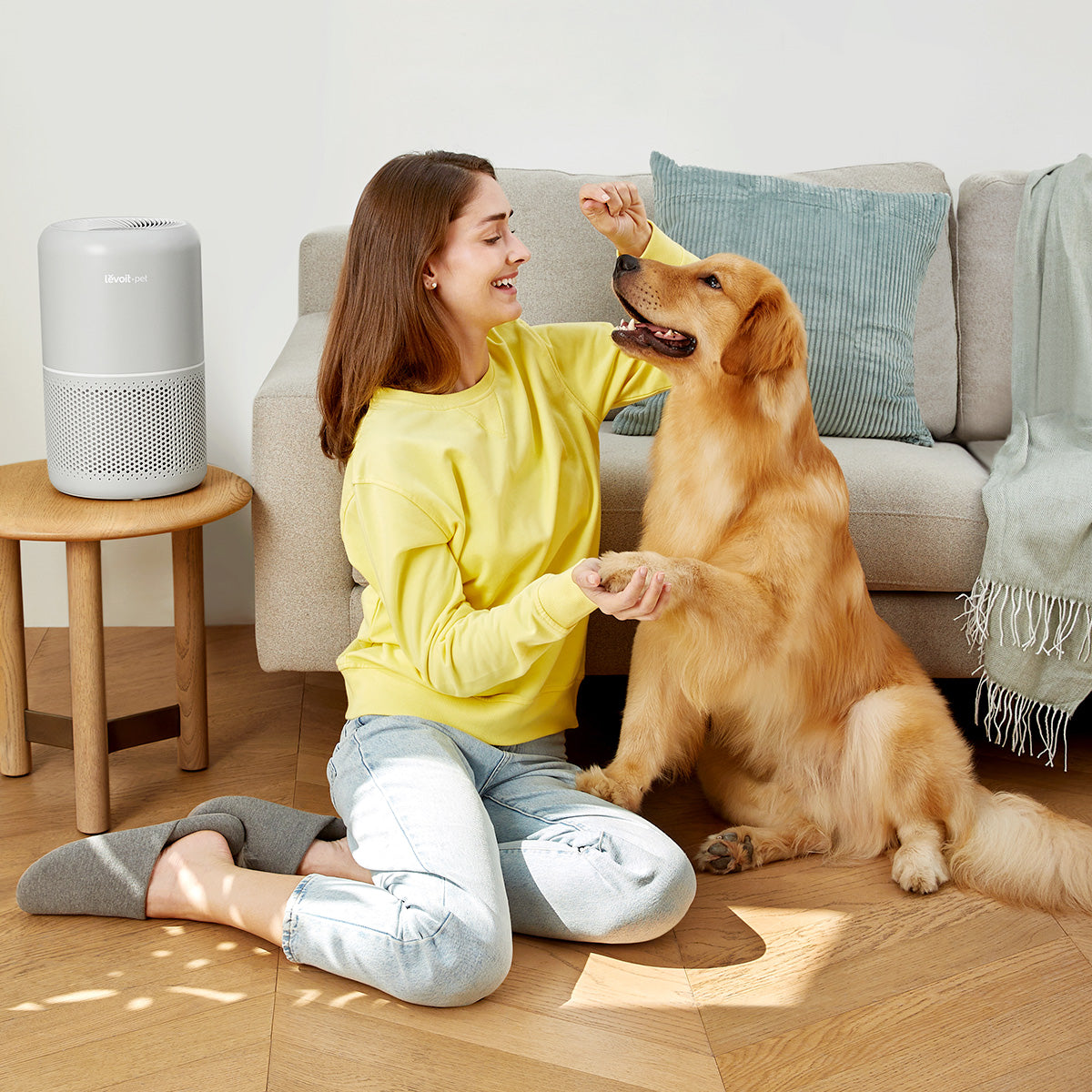
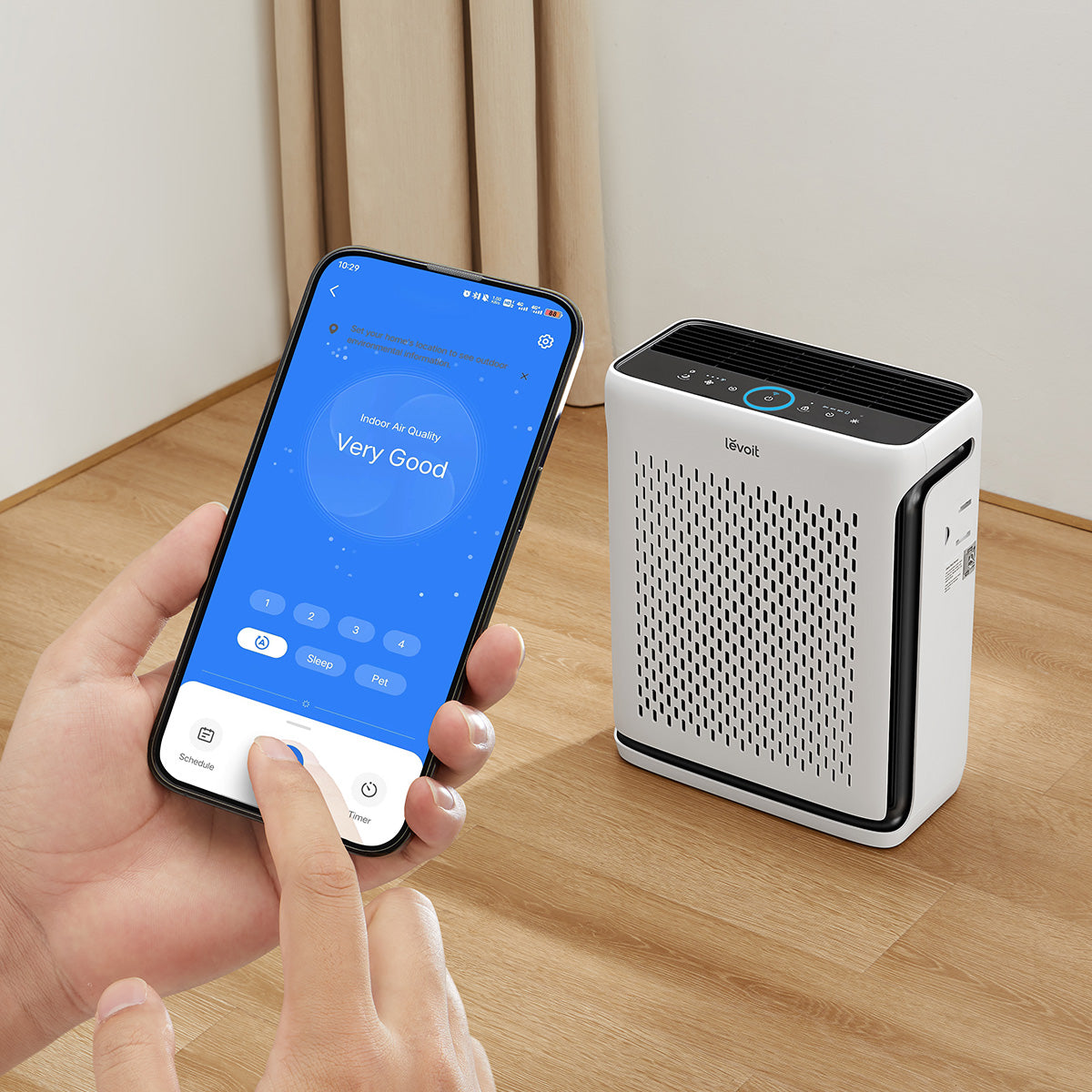
Vacuuming removes allergens from surfaces, but dust mite particles can remain suspended in the air. An air purifier with a HEPA filter helps capture airborne allergens, fine dust, and dander before they settle back onto furniture and bedding. For the best results, place an air purifier in the bedroom and run it consistently.

6. Protect Mattresses & Pillows
Dust-mite-proof zippered covers create a barrier that helps keep mites out of mattresses and pillows while preventing allergens from escaping into the air.
7. Declutter Your Bedroom
Stacks of clothing, books, and decorative items collect dust and create more places for dust mites to thrive. Keeping bedrooms tidy makes it easier to clean and reduces dust buildup.
8. Reduce Extra Fabric & Plush Toys
Heavy curtains, decorative textiles, and stuffed animals can collect dust over time. Limit unnecessary fabric items when possible and wash children's plush toys regularly in hot water.
9. Groom Pets & Keep Them Off Beds
Pet dander provides another food source for dust mites. Regular grooming helps reduce loose fur indoors, while keeping pets off beds and upholstered furniture can limit allergen buildup where you sleep.
10. Air Out Bedding on Sunny Days
On warm, dry days, hang pillows, blankets, and comforters outside. Fresh air and sunlight help reduce trapped moisture and freshen bedding between washes.
Keep Dust Mites Under Control Year-Round
Learning how to get rid of dust mites starts with consistent habits, not just a single deep clean. Regular vacuuming, hot-water laundry, humidity control, and reducing dust-trapping clutter all work together to lower dust mite allergens over time.
For even better results, use a vacuum and an air purifier that both use HEPA filters. While a vacuum removes allergens from surfaces, an air purifier helps capture airborne particles that can settle back onto furniture and bedding. Together, they create a more complete approach to reducing dust mites and improving your home's indoor environment.
FAQs
Can you completely get rid of dust mites?
No. Dust mites are a natural part of most indoor environments, so it's nearly impossible to eliminate them completely. However, regular cleaning, humidity control, and air filtration can significantly reduce their numbers and the allergens they produce.
Where do dust mites live?
Dust mites thrive in warm, humid areas where they have a steady food source. They're commonly found in mattresses, pillows, bedding, upholstered furniture, carpets, rugs, and other soft furnishings.
What's the best way to get rid of dust mites?
A combination of cleaning methods works best. Vacuum regularly with a HEPA filter vacuum, wash bedding in hot water, keep indoor humidity below 50%, and use a HEPA air purifier to help capture airborne allergens.
Does washing bedding kill dust mites?
Washing sheets, pillowcases, and duvet covers in hot water (at least 140°F (60°C)) can help remove dust mites and eggs. Cooler wash cycles may not be as effective.
Do HEPA air purifiers help with dust mites?
Yes. While air purifiers can't remove dust mites living inside mattresses or carpets, a HEPA air purifier can help capture airborne dust mite allergens, fine dust, and dander that circulate through your home.
Sources
- Asthma and Allergy Foundation of America. "Dust Allergy"
- American Academy of Allergy, Asthma & Immunology. "Dust Mite Allergy"
- U.S. Environmental Protection Agency. "Guide to Air Cleaners in the Home"
- Mayo Clinic. "Dust Mite Allergy"
The information provided here is for informational and educational purposes only and should not be used in medical emergencies or for diagnosing or treating any medical condition. It's crucial to consult a licensed medical professional for diagnosis and treatment. External links are for informational purposes and do not constitute endorsements. No warranty of any kind, either expressed or implied, is made as to the products and/or the accuracy, reliability, timeliness, or correctness of the information provided herein.